

Somewhere between the photograph you planned and the one you actually get is usually where the magic happens. For Sheldon Santos, that is where things get interesting. The lights can be set, the styling done, the pose worked out, and then someone turns their face, moves differently or does something completely unplanned. Instead of correcting it, Santos is often curious to see where it goes. That instinct has a lot to do with how he learnt photography in the first place. Santos never went to photography school. He spent eight years assisting Rohan Shrestha, learning on set by watching, observing the senior assistants and slowly understanding the thinking behind a photograph, not just the technicalities. “I’m not formally trained as a photographer,” he says. “I never went to photography school or an institute, so my entire schooling and on-the-job training happened through those eight years with Rohan.”
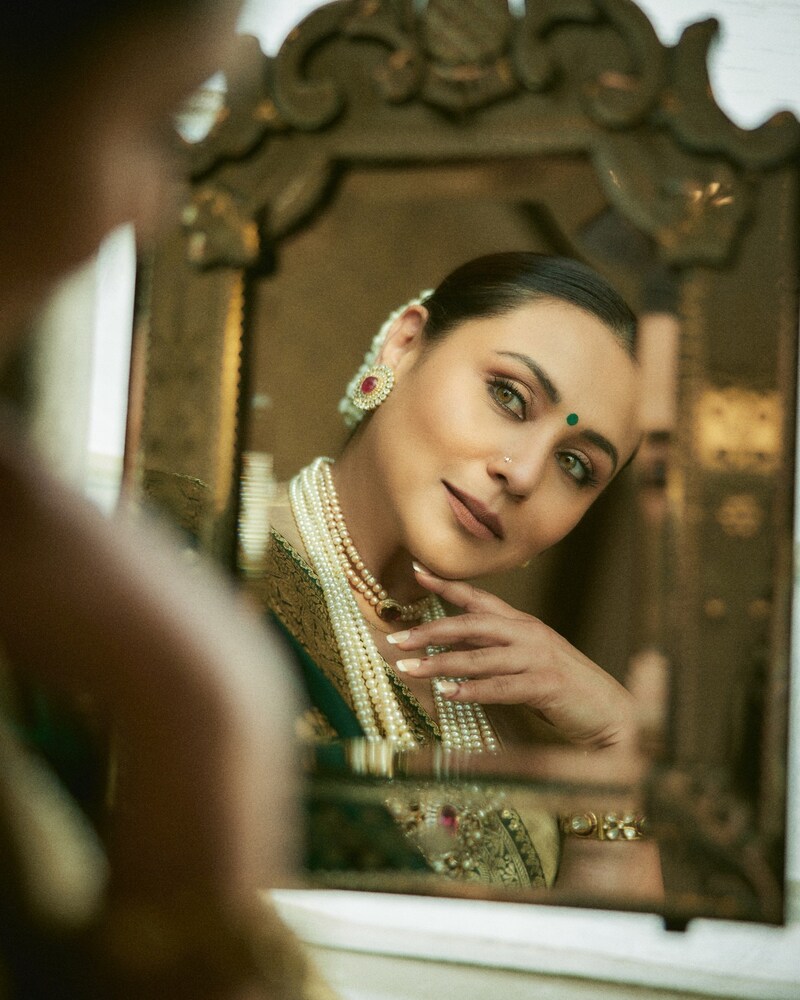
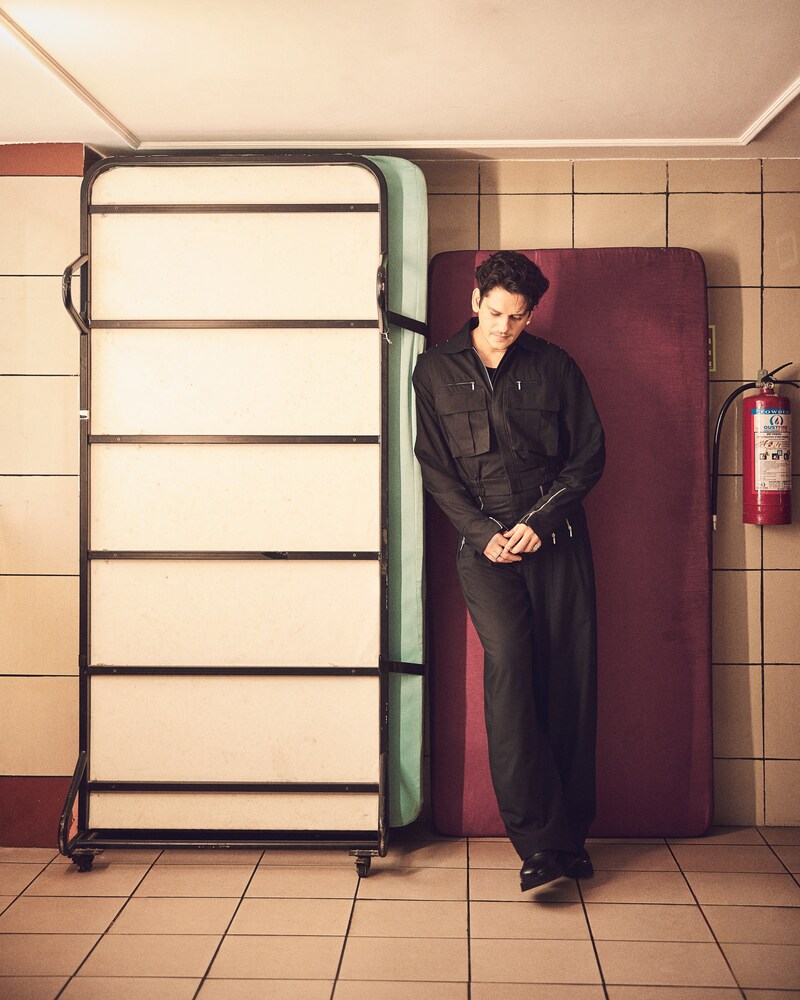
For the first few years, observation was the job. Eventually, though, he realised that learning from someone and seeing exactly as they do are two different things. “It wasn’t about forgetting everything I’ve learned from him,” Santos says. “Those teachings will always be at the back of my head. It was more about telling myself that it’s okay to take everything you’ve learned from someone and then find your own way of applying it.” That turned out to be liberating. Suddenly, he could try his own lighting techniques, choose different lenses, work differently with subjects and, in his words, “do my own thing.” And once you start doing that, naturally, you start questioning a few rules along the way. When you’re new to photography, there is a lot of information about what you’re supposed to get right. The lighting. The camera settings. The composition. The colours. Santos learnt all of it. He just doesn’t think a good photograph can be reduced to a checklist. “Initially, your idea of a good picture can become more about the technical aspects than the honesty of the photograph,” he says. Experience changed that. He began noticing how differently people responded to the same setup. One person could look incredible under a particular light while the exact same lighting simply didn’t work on another. Even the slightest turn of the face could change what had been working seconds earlier. “You can’t plan that to the T.” Which is probably why Santos has become more interested in what happens when the plan starts to loosen.
On a fashion shoot, he might give an artist a pose reference, but he is secretly hoping they do something else with it. The hand lands differently. The leg isn’t perfectly straight. The pose isn’t technically what was planned. And those are usually the photographs that make the cut. “Probably ten out of ten times, that’s the photograph we eventually choose, because it feels more in the moment, more real and somehow more beautiful,” he says.
“The imperfection is often where the person takes over from the plan.”
In an industry where perfection is practically part of the brief, it is an interesting loophole. Too much of it, Santos believes, can make photographs start to feel like carbon copies of one another. Santos photographs some of the most recognisable faces in the country. His personal work, however, often moves in the other direction, towards everyday people. There isn’t a complicated casting process behind it. Sometimes he simply connects with someone.“If I connect with someone and I’m spending some time with them, why not take some photographs?” There is also the rather simple pleasure of showing someone a photograph they actually like. Santos knows the feeling himself. “I know I feel it myself when I see a photograph and think, wow, I look good!” That little boost matters to him. He sees the camera as a way to spread some joy, but also as a way of getting to know someone. “Celebrity, non-celebrity, model, not a model, it doesn’t really matter to me.” This explains why the camera seems to follow him everywhere.
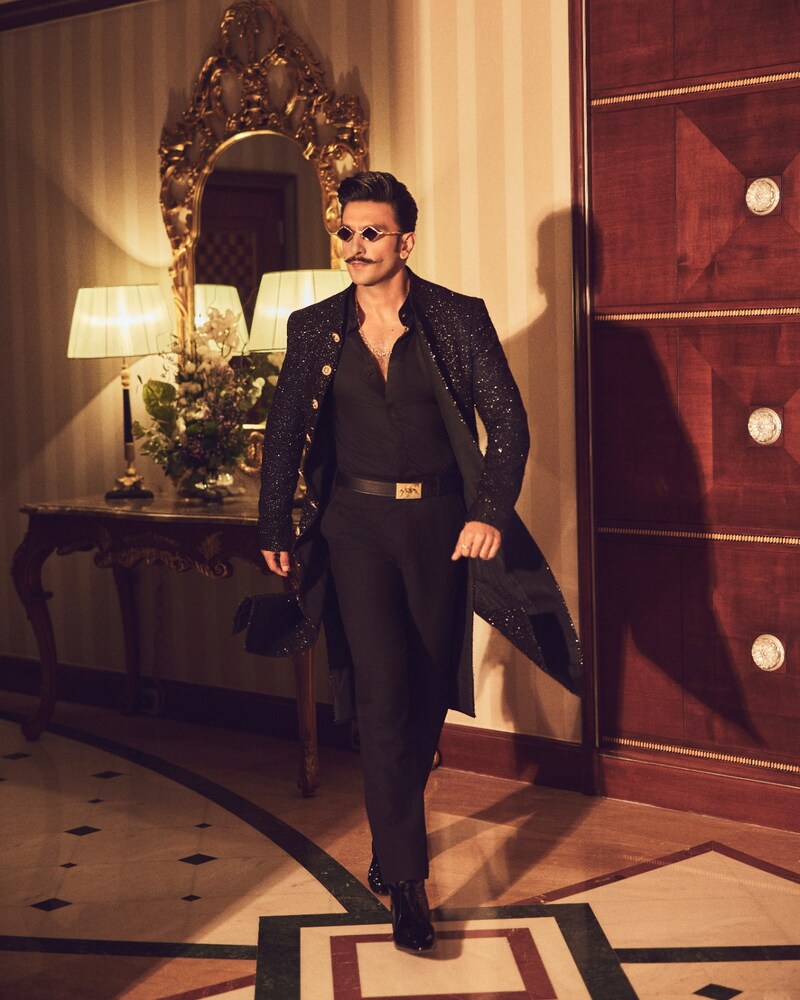
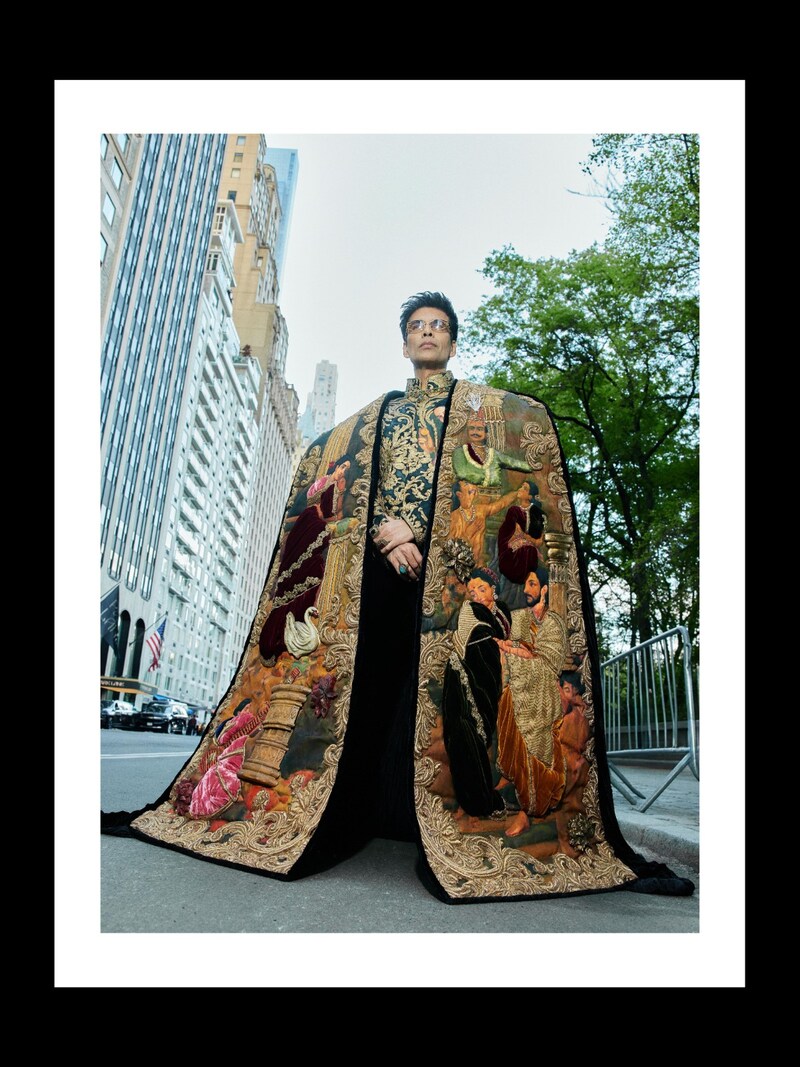
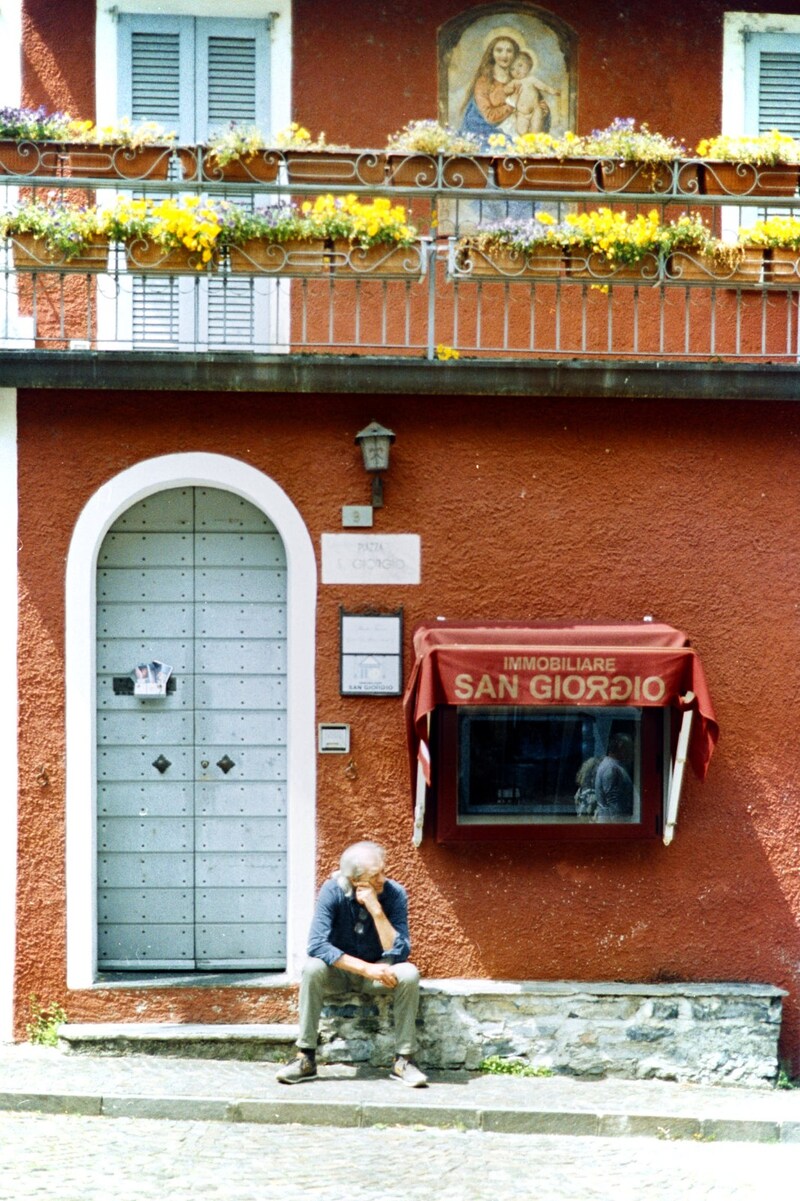
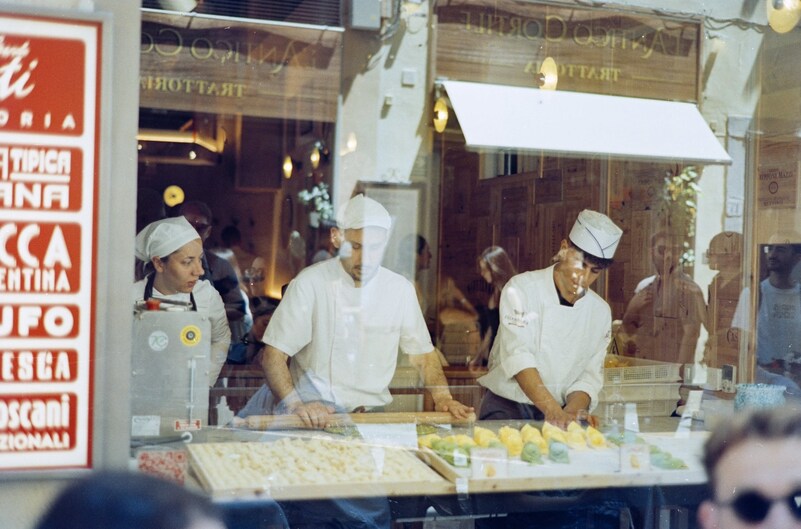
Most of Santos’ celebrity work happens in controlled environments, particularly fashion and advertising. Here, he can decide where the lights go, where the person stands and what he wants the photograph to feel like. But travel is another story. When he is photographing celebrities on tourism campaigns, he isn’t building the entire image from scratch. He is responding to what is around him. “You become much more of an observer and honestly, a bit of an opportunist,” he says. That way of looking seems to have become second nature. Santos says that when he travels, he is constantly spotting frames, from one point to another, from a car window, during a flight, wherever he happens to be.
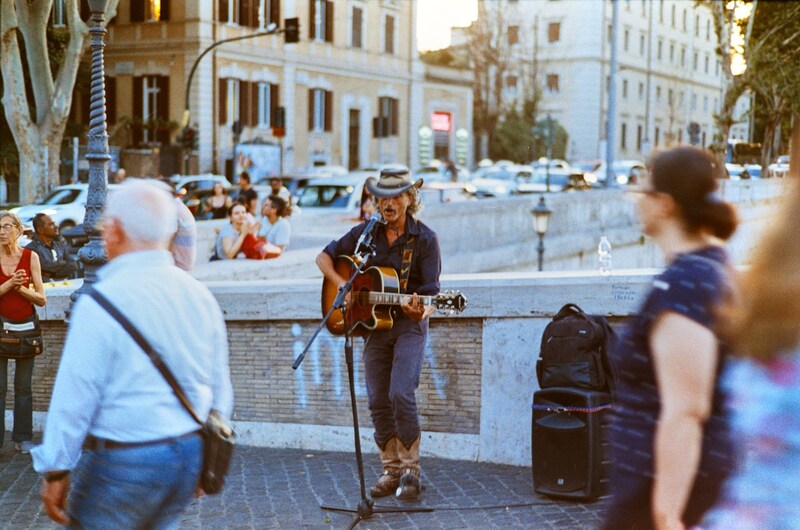
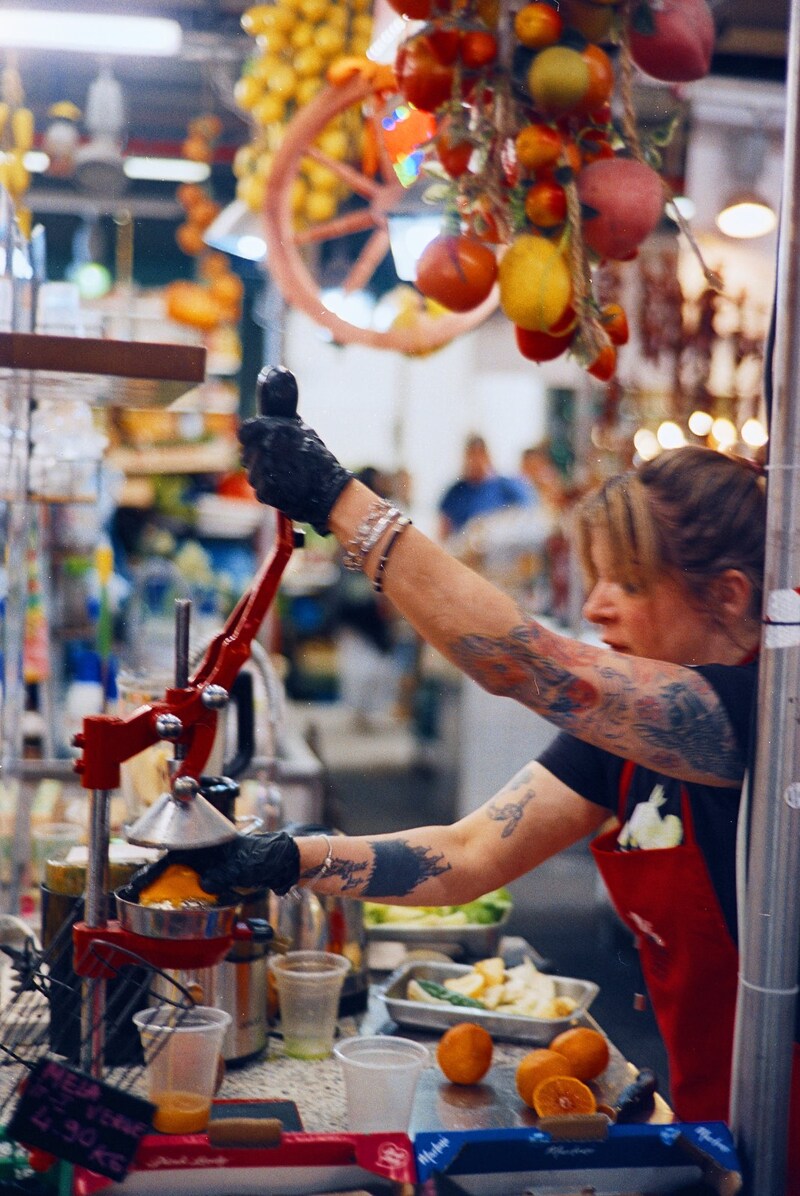
Before photography, he says, he used to hate long journeys. Now he spends them taking photographs in his head. Street photography takes that instinct one step further because there is no guarantee at all that the frame will wait for you. Santos admits he can actually be quite shy while photographing strangers. He has had someone get angry when he lifted his camera. He apologised, showed them the photograph and, luckily, discovered they liked it. He mostly shoots film when he travels or photographs the streets, partly because the limitation forces him to be selective. There are only so many exposures. You can’t keep taking the same frame until something works. And there is something about that lack of control that he likes. “In my professional work, I’m used to having control over the set,” he says. “On the street, none of that matters.” It is humbling, and he likes that.
“You’re just one person standing there with a camera. The world is much bigger than you.”
A photographer with years of experience is usually expected to have a recognisable style. Santos isn’t particularly interested in making that promise. He doesn’t believe he has one fixed style. One day, the brief might call for something deep and moody. Another might need bright, even lighting. Then there is the stark, high-fashion image. He likes the variety. “I love that what I’m doing today might be completely different from what I did yesterday.” For Santos, the consistency isn’t necessarily in the look. It is in the way he approaches each photograph. “Maybe my style isn’t necessarily one particular kind of lighting or one visual look,” he says. “Maybe it’s just the way I approach a photograph and adapt to what it needs to be.” That adaptability also comes in handy when the subject is a person rather than a brief.
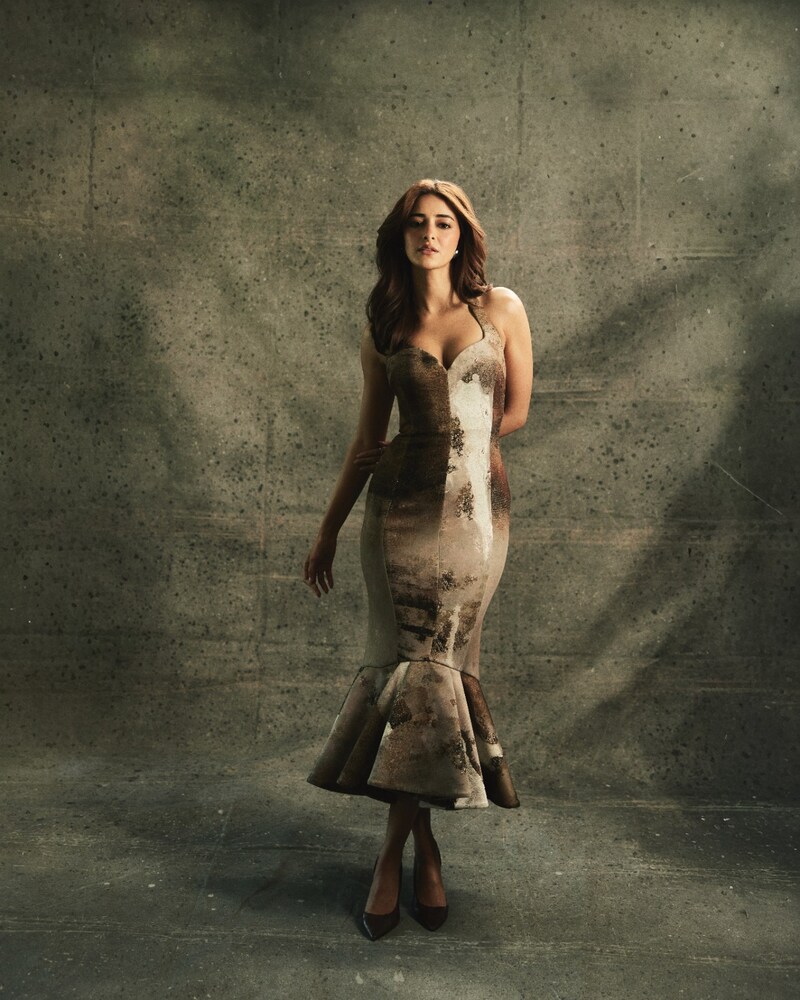
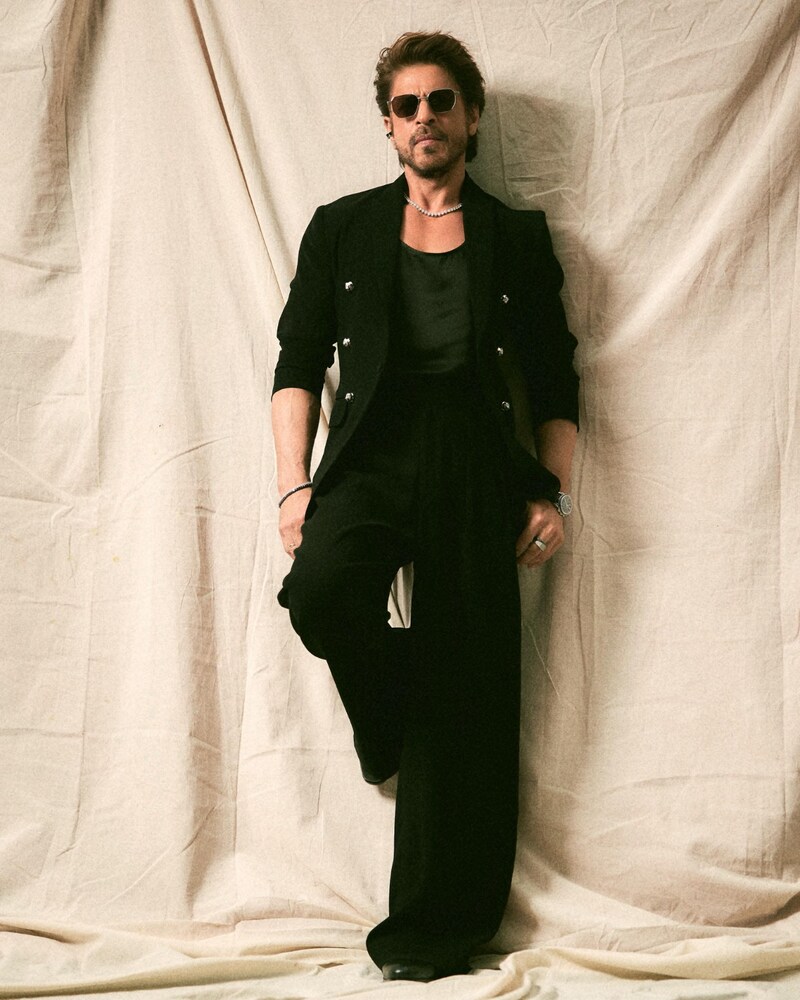
After years of photographing celebrities, Santos has become better at noticing how people like to work. Some want to be told exactly how to pose. Others don’t want direction at all. Some want freedom. Some want a little more guidance. There isn’t one formula that works for everyone. His job is to figure out what works for the person in front of him. “My job then is to adapt to that person and create an environment where they feel their best and most comfortable.” It sounds straightforward. It probably isn’t. But when you spend as much time photographing people as Santos has, knowing when to direct and when to leave someone alone becomes part of the craft. From the outside, celebrity photography looks like a pretty good job to have. The famous faces help. So does the fashion.What doesn’t make it into the final image is everything that can go wrong before the shutter does its job. Santos has worked in spaces where there simply wasn’t enough room to place the lights where he wanted. Sometimes he has had to give up the depth he wanted because the room wouldn’t allow it. And then there is the small matter of time.
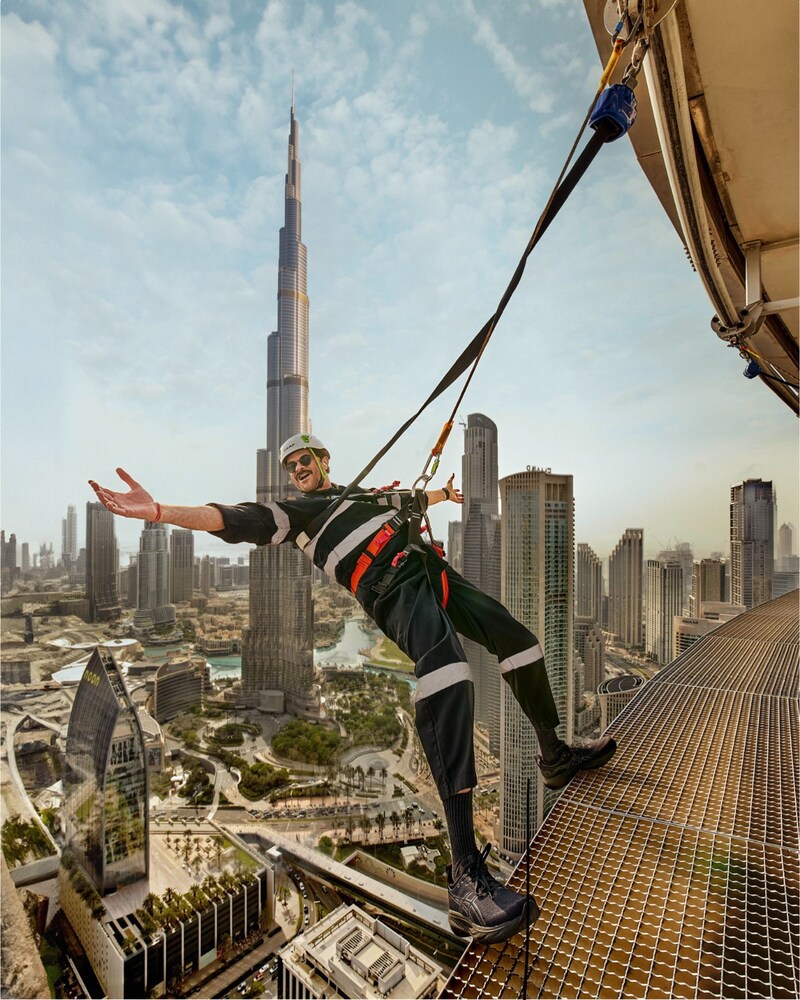
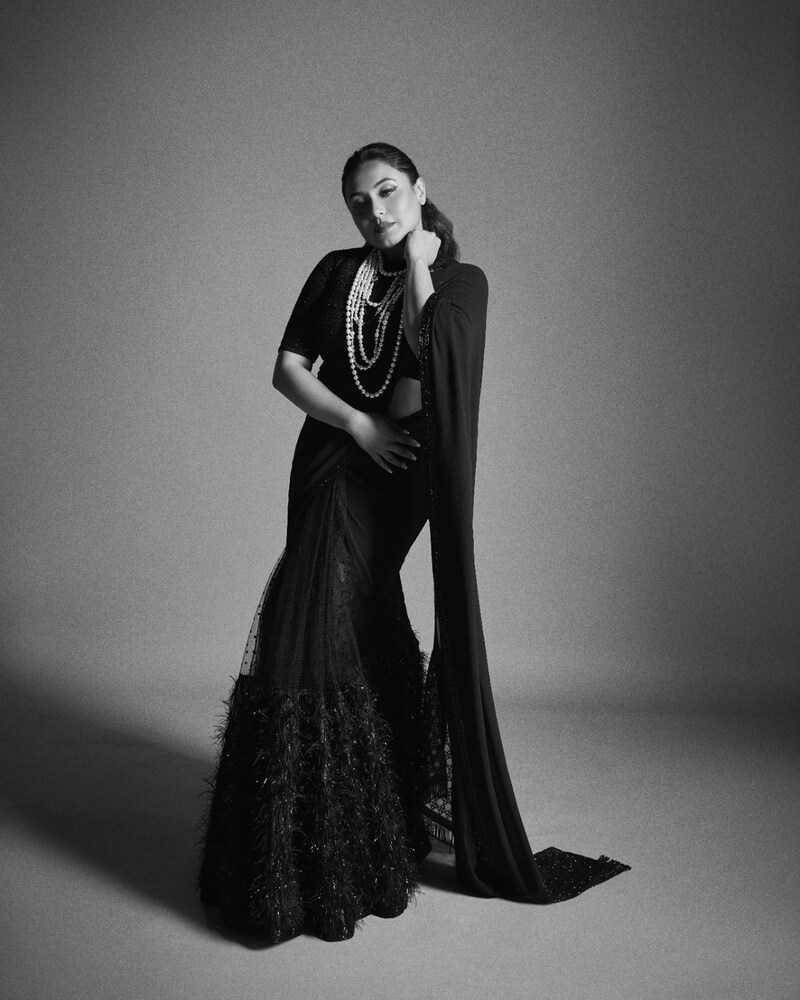
Four, five, six, maybe seven minutes. That’s the shoot. “When the photograph goes out into the world, nobody sees any of that,” he says. “They just see the photograph.” It has changed how he looks at other photographers’ work, too. It is easy to wonder why someone chose a certain light or why the posing isn’t what you would have done. It is harder to remember that you weren’t there. “Maybe they had five minutes. Maybe they had no space. Maybe there were twenty other things happening in that room.”The finished frame doesn’t come with footnotes.
“There’s usually a lot happening outside the frame that nobody will ever know about.”
After eight years of assisting, countless celebrity shoots, travel campaigns and street photographs, Santos isn’t particularly interested in announcing that he has figured it all out. What he is interested in is the next assignment. “What are you going to shoot? How are you going to shoot it? What can you do to prepare yourself so that when you arrive that day, you can do the best job you’re capable of doing?” There is something quite nice about that. The experience is there, but so is the curiosity. He has learnt the technical side. He has learnt how to read people. He has learnt how to work with almost no time or space and how to make a frame when the conditions aren’t quite ideal. And yet, he says, “I’m still excited to find out what I’m going to create next.” Fair enough. The next frame is probably more interesting anyway!
Images shot by: Sheldon Santos


The bonuses for new players are actually worth it. I managed to double my first deposit easily. Visit br54bet1 for some awesome rewards.
The bonuses they offer are actually decent and not just clickbait. I had a blast playing on bdfk77 last night!