

In an age of instant gratification, there is something quietly radical about choosing to take your time. A saree that takes hours of hand embroidery, a textile woven over generations, a motif patiently built one stitch at a time: these are not simply beautiful objects. They are reminders of a slower way of making, and of the human hands behind what we wear.
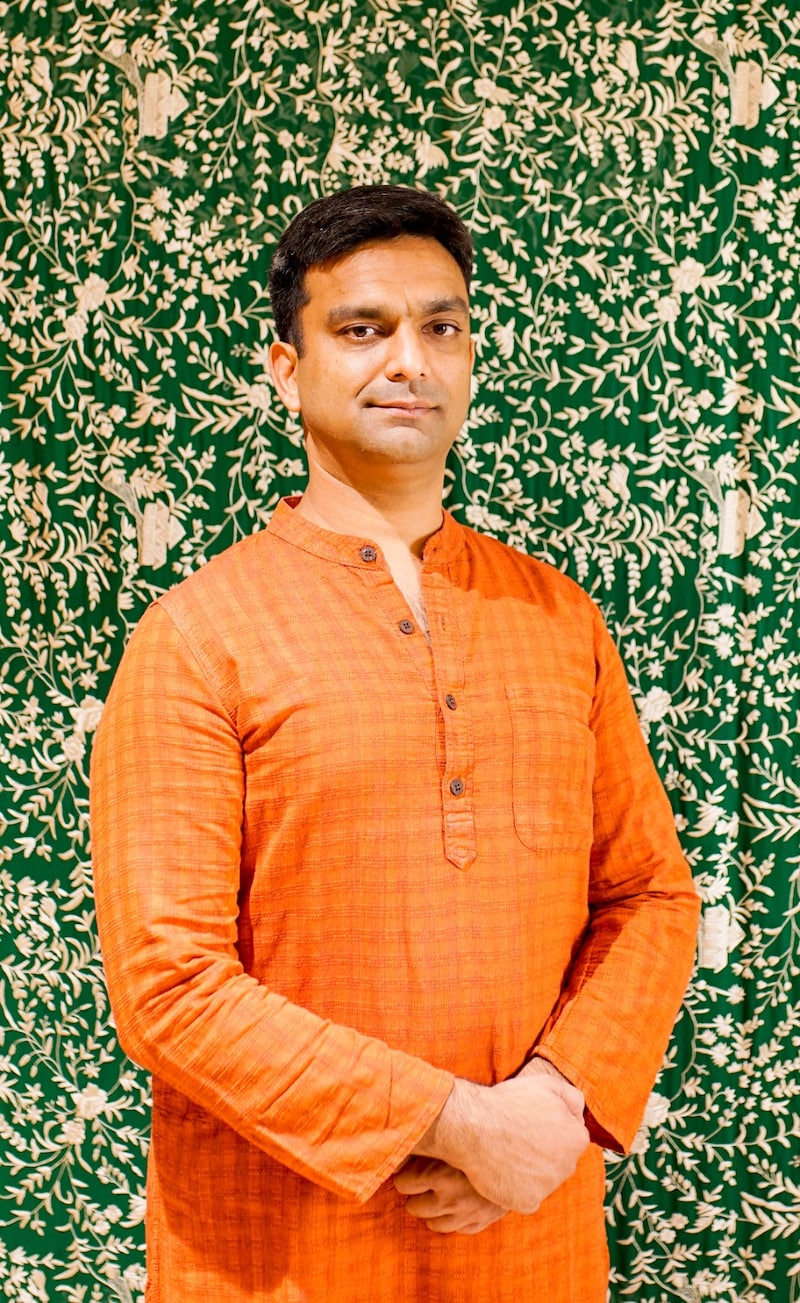
For Anshul Gupta of Prastuti Designs, keeping India’s textile heritage alive is about giving it room to evolve. “We believe it is our responsibility to keep them relevant,” he says. For him, that means looking beyond the idea of preservation for preservation’s sake. These traditions are not meant to be kept behind glass or treated as relics of another era, but worn, revisited and reinterpreted for the way we live and dress today.
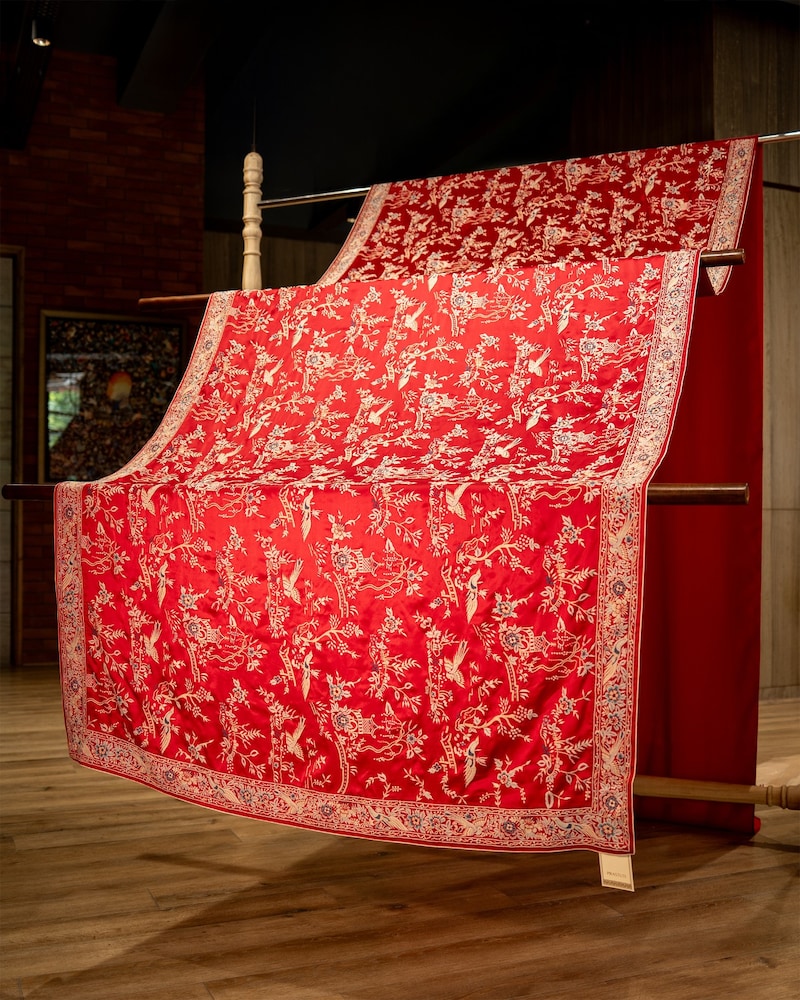
It is a thought that feels particularly relevant when looking at the textiles Prastuti Designs works with. Banarasi, Kanjivaram and Patan Patola arrive with their own histories, techniques and visual languages. Rather than simply reproducing what already exists, the label asks what happens when these familiar textiles meet intricate embroidery traditions such as Petit Point and Parsi Gara.
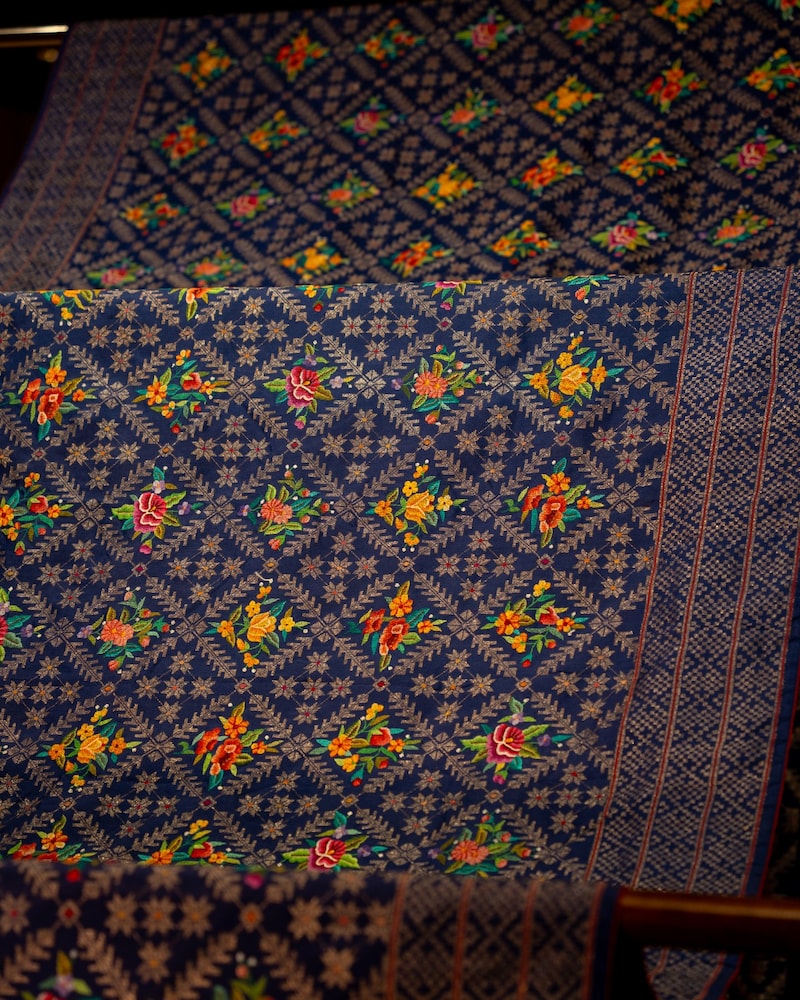
“There is no fixed formula,” Anshul explains. “We experiment with scale, placement, colour and how the embroidery interacts with the textile.” Sometimes the shift is subtle. Sometimes it changes a piece’s entire character. A delicate Petit Point motif can take on a new presence when enlarged; a traditional Gara design can feel unexpectedly fresh when rethought through colour or placement. The technique remains rooted in its history, but the way we see it changes.
And perhaps that is where the conversation around heritage becomes more interesting. Keeping a craft alive does not necessarily mean keeping it unchanged. It means knowing what makes it special, and then having the imagination to let it speak to a new generation.
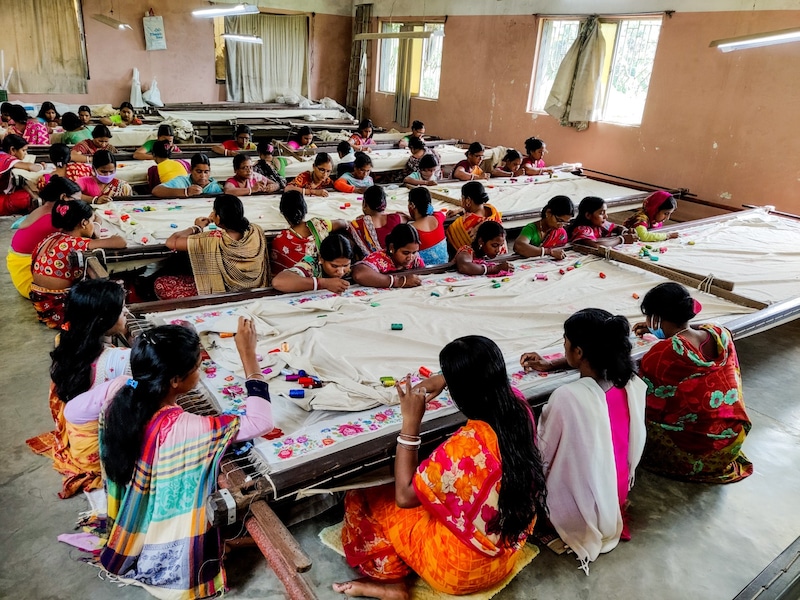
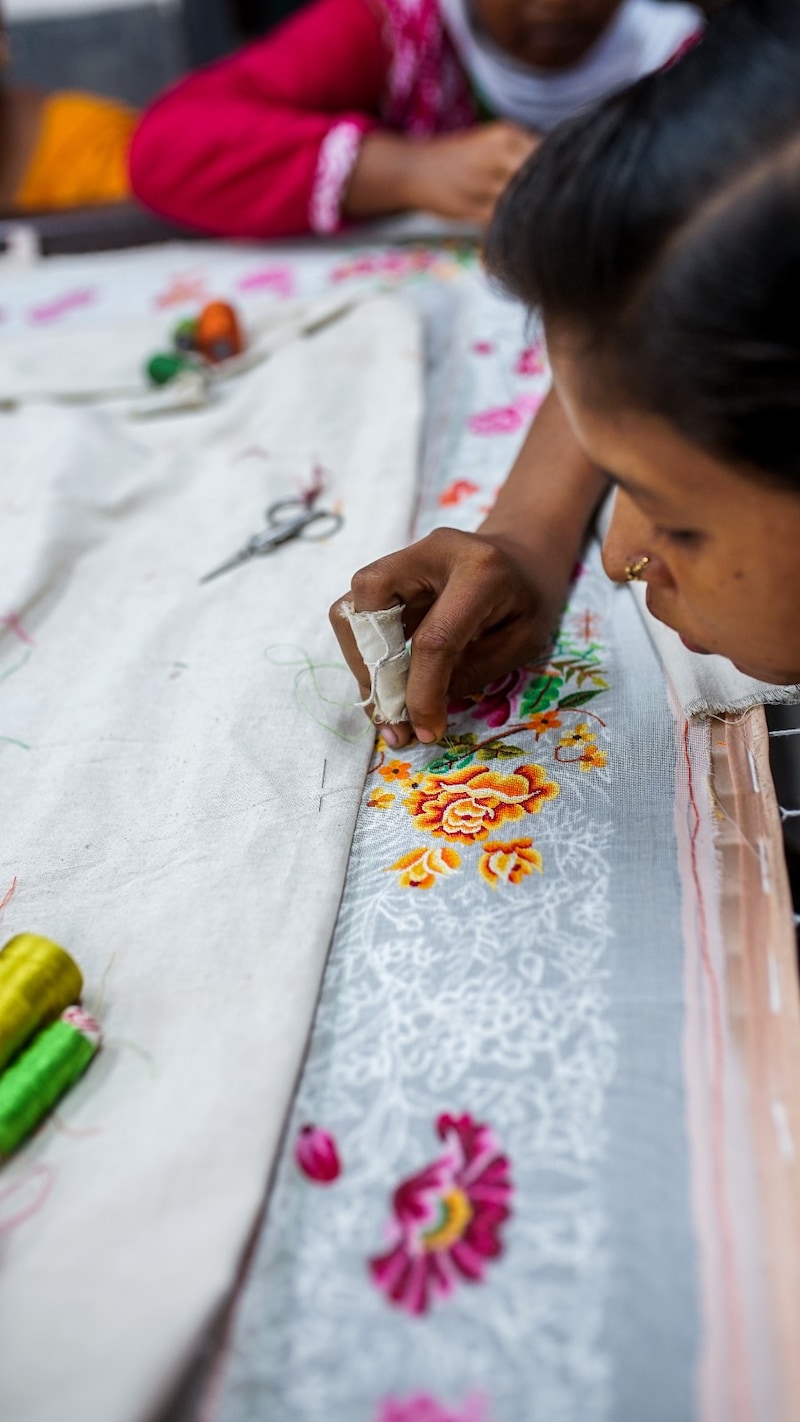
Yet for all the experimentation, there is one thing Prastuti Designs is unwilling to rush: the making itself. “I think we lose our ability to appreciate things that take time,” Anshul reflects. In a culture where everything from fashion to food is increasingly available at the click of a button, the patience behind handmade work can become easy to overlook. But spend a moment looking closely at an embroidered saree and the time begins to reveal itself. Each stitch, each change in colour, each intricate motif carries evidence of the hands that made it. “To us, that is a true form of luxury,” he says.
It is a definition of luxury that goes beyond rarity or price. It is about time, skill and human effort. And for traditional crafts to survive, that effort needs to be valued. Admiring craftsmanship is one thing; creating a culture where artisans can continue to practise, earn from and pass on their knowledge is another.
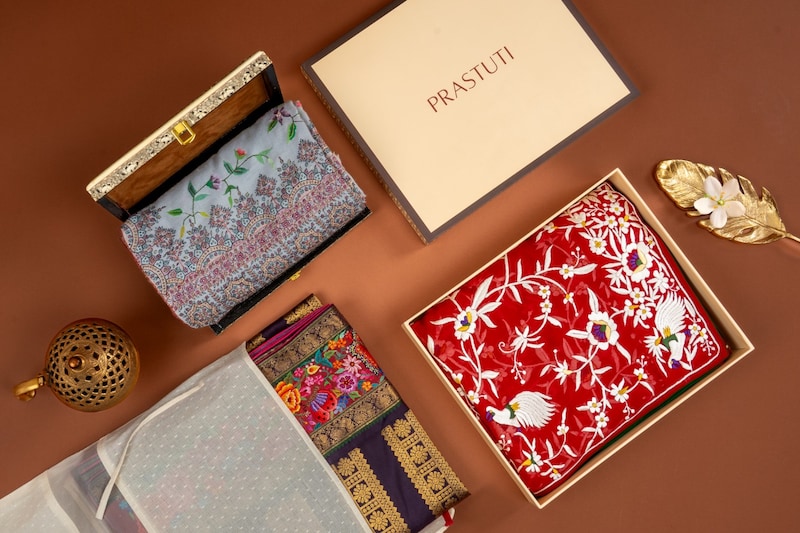
That same idea of continuity finds its way into Prastuti Designs’ understanding of the heirloom. “For us, an heirloom is something that has value beyond the moment it is bought.” A piece becomes an heirloom not simply because it can survive for decades, but because it gathers a life of its own. It is worn to a wedding, photographed during a milestone, remembered through a particular celebration and eventually passed on with those memories intact.
Maybe that is why the most compelling part of handmade craft is often what you notice only when you stop to look. From afar, you see the beauty of the saree. Up close, you see the patience.
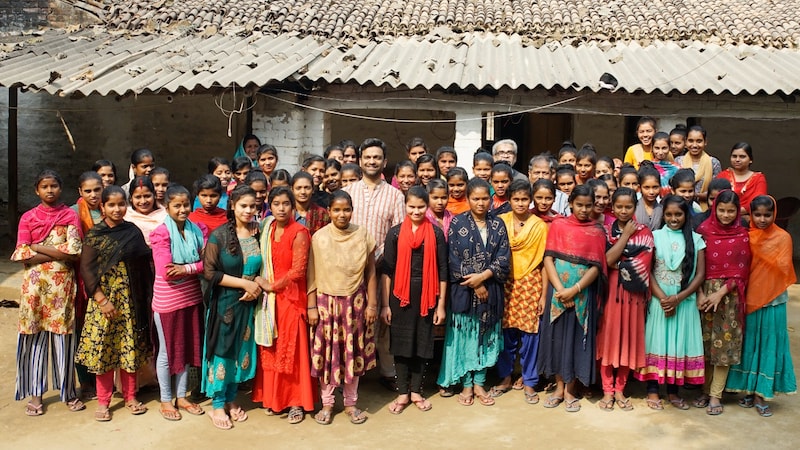
And for Prastuti, that patience is not a thing of the past. It is a way forward. To keep India’s textile heritage alive is to keep making space for it: to reinterpret it without erasing its identity, to value the hands that carry it forward and to give every new generation a reason to wear, love and eventually pass it on.


Dude, checking out the game balance is key, right? Don’t just trust what you see; always verify stuff first. For more tips on safe gaming, check bk33cm legit. Stay smart out there!