

For countless centuries, craft and culture have been the roots of community. Since childhood, we are introduced to historic textiles through family heirlooms, embroideries made by our grandmothers and the sarees, shawls and dupattas worn by our mothers. No matter which part of India one is born in, there are vernacular crafts that are definitive of the places’ cultural history – a testament to the country’s vast and varied artistic traditions. Historic political partitions might have created borders on the map but art has always had a way of travelling through human hands, thriving under patronage while changing names and forms.
Crafts that travelled through the Silk Road trade routes are major examples of such phenomenon. The technique of binding the cloth and dying that is now popularly known to us as ikat, was originally called mengikat in Malay-Indonesian term, and abr in Uzbekistan. Similarly, one of the most popular prints of the British era, chintz, originated in parts of Coromandal Coast, Gujarat, and Bengal before it changed forms in Europe. Soon, chintz prints were Westernised as their size, colour and production techniques changed to cater to a foreign market.
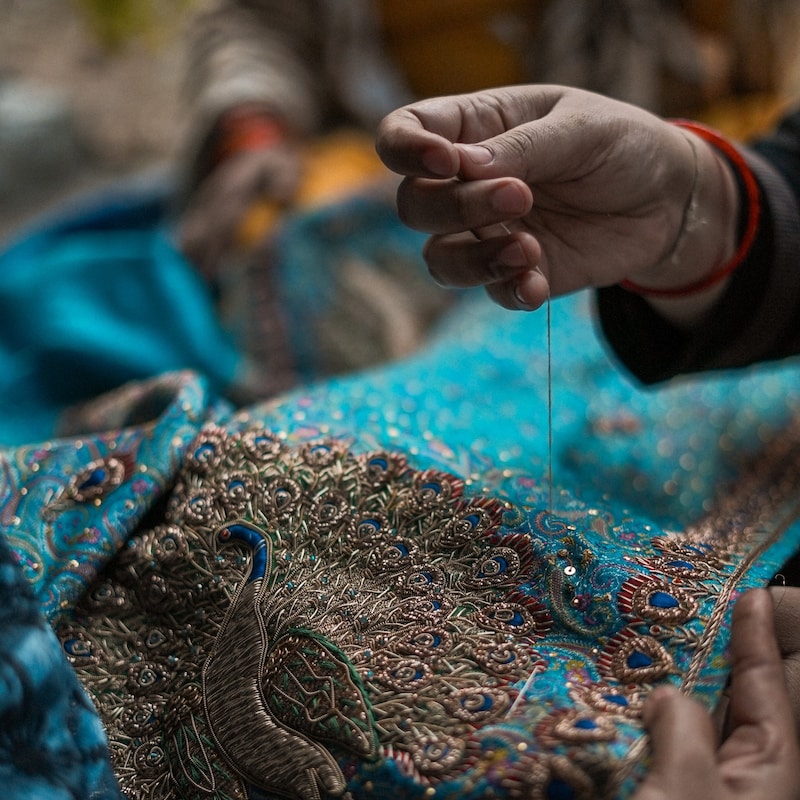
Although the samples of such fabled craftsmanship can be seen in the world’s illustrious museums all over the globe, it is simply not enough to halt its waning existence. But the question is, where do these time-consuming craft techniques find their place in a world driven by fast-paced consumption with an equally slow-paced attention span? Sanya Dhir, the founder and visionary behind label Divani expresses, “Working with heritage craft is an exercise in patience in an industry conditioned for speed. One of the most pressing challenges is the tension between a fast-paced, product-driven market and the inherently slow, deliberate rhythm of handcraft.”
At Divani, technique is not just valued but worshiped. Dhir observantly points out, “Contemporary audiences are increasingly guided by trends, and often disconnected from the timeline and discipline that heritage crafts demand. As a result, requests that do not allow us adequate time are declined – not out of reluctance but out of respect for the process.”
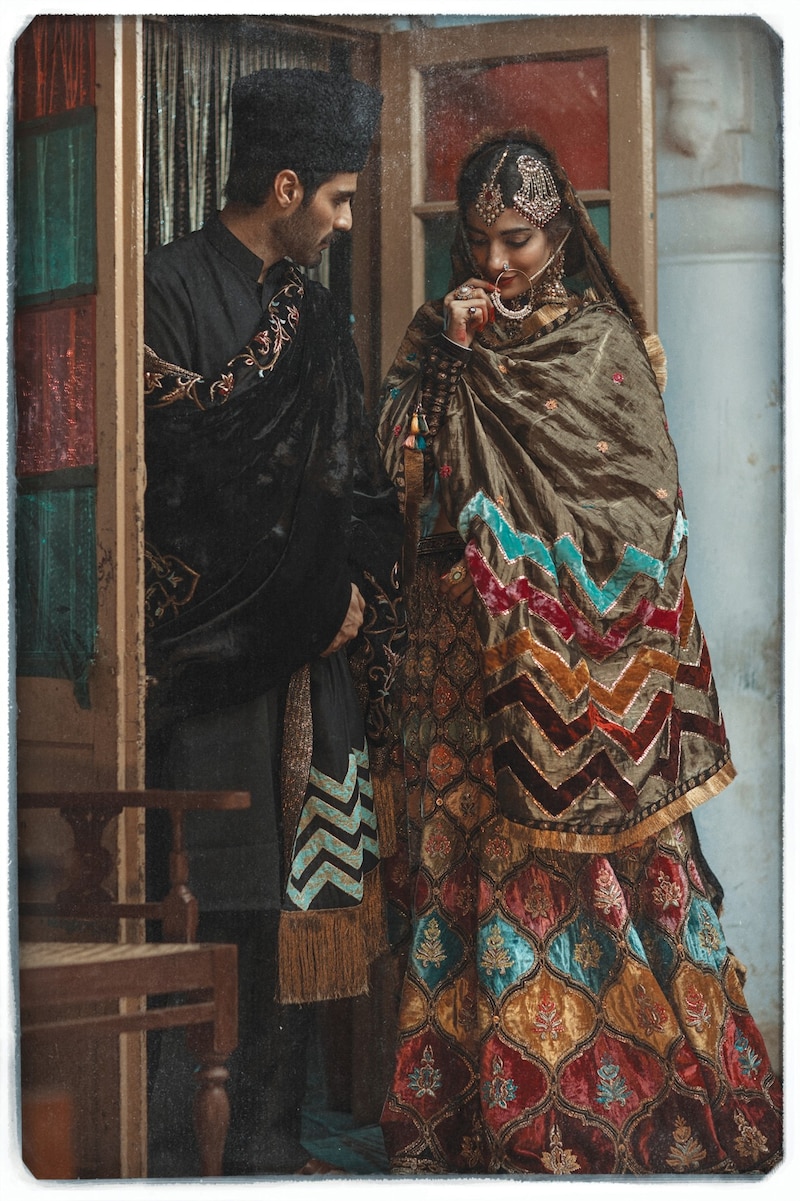
For Chinar Farooqui, the force behind Injiri, preserving and reinventing time-honoured and technique-driven textiles (like handwoven cottons), is the new norm for modern luxury. “I believe, as luxury moves away from excess, it is increasingly defined by things that are real, made with time, skill, and human presence. These textiles carry evidence of process; they are not fast, not interchangeable, and not anonymous. In that sense, they align naturally with a quieter, more meaningful idea of luxury rooted in integrity and endurance rather than novelty.”
Drawing Aspiration from the Archives
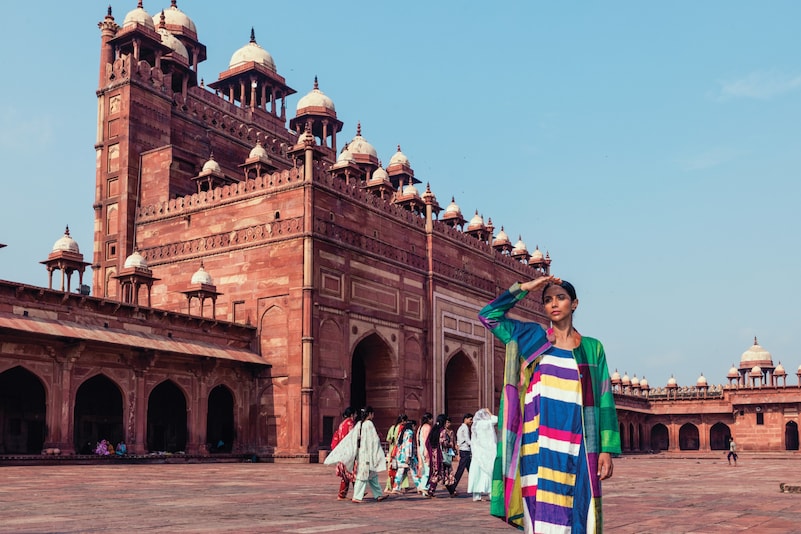
Beneath today’s technological breakthroughs and aesthetic experimentation lies the fabric shaped by a quieter inheritance – techniques shaped by human hands centuries ago. Thousands of museums, conservatories, and countless personal collections across the world are all directed towards preserving the very firsts of human making. Whether it is embroidery or woven textiles, craft preservation is less about nostalgia and more about continuity by protecting authenticity.
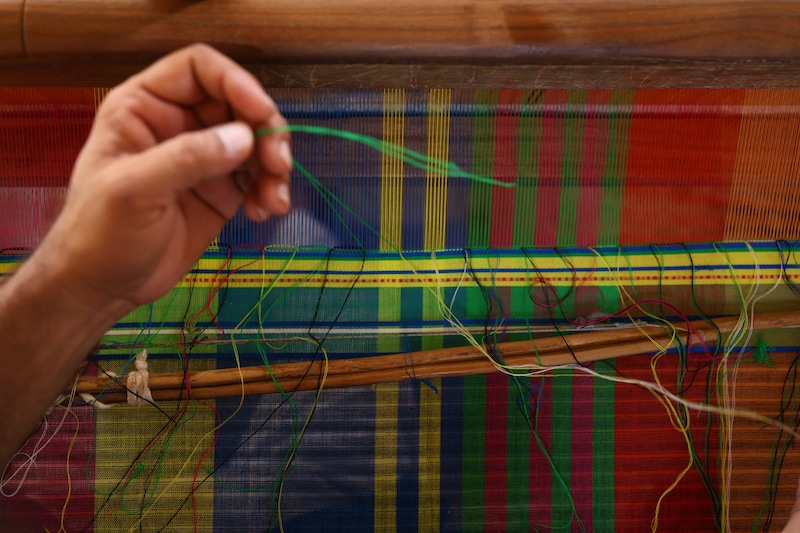
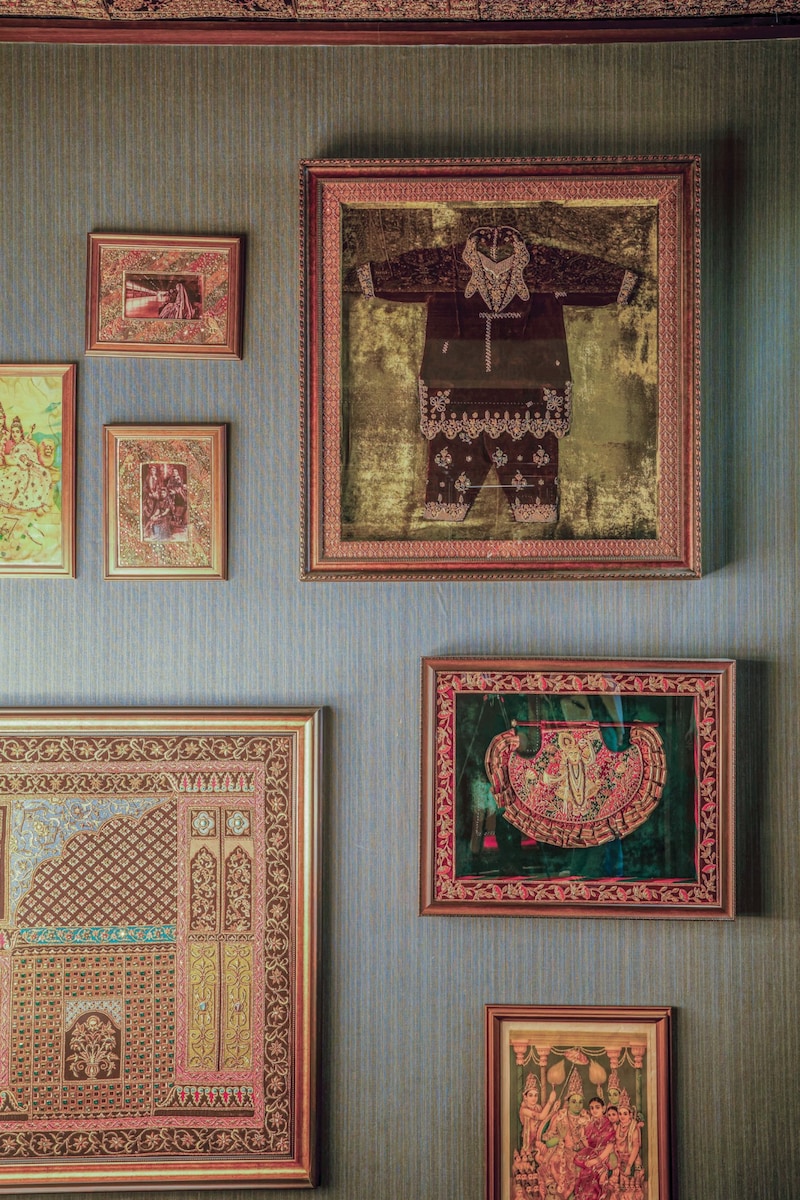
At Divani, some rare collectibles include a wardrobe stacked with heirlooms passed down to Dhir by her grandmother who hailed from Lahore (undivided Hindostan). Another rare treasure in this collection is a three-generations-old ceremonial ensemble of a young boy, crafted in pure gold zari on a Chenille or Shaneel base and carefully restored through the art of visible mending (raffoo). “We lovingly call it Raffoo-Poshak which is thoughtfully displayed at the Divani flagship store in Delhi,” shares the designer.
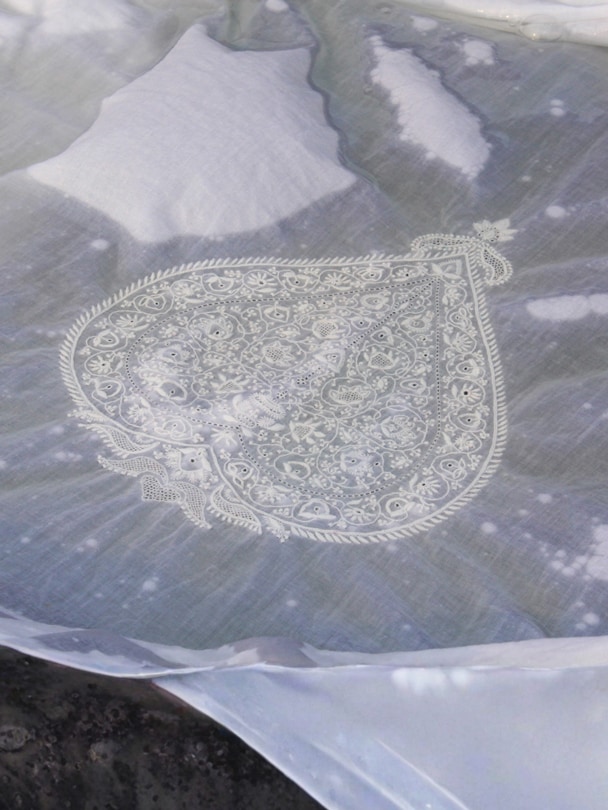
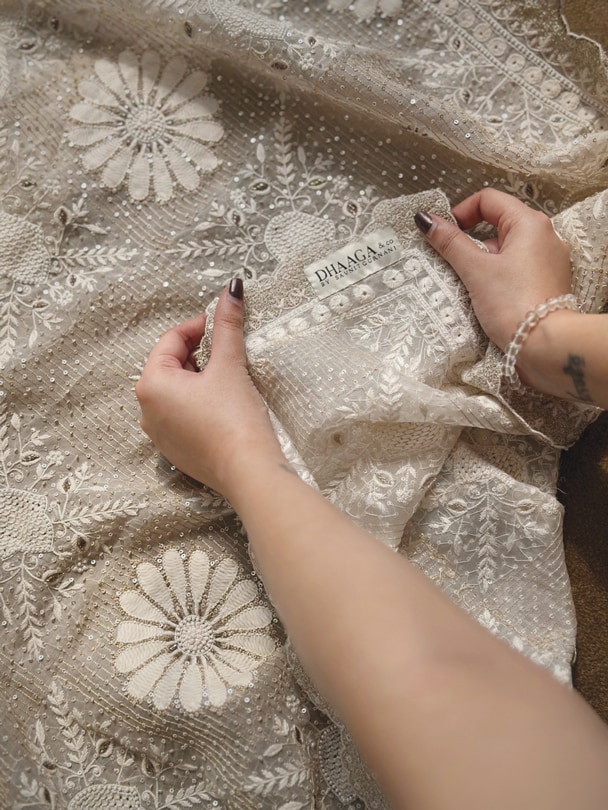
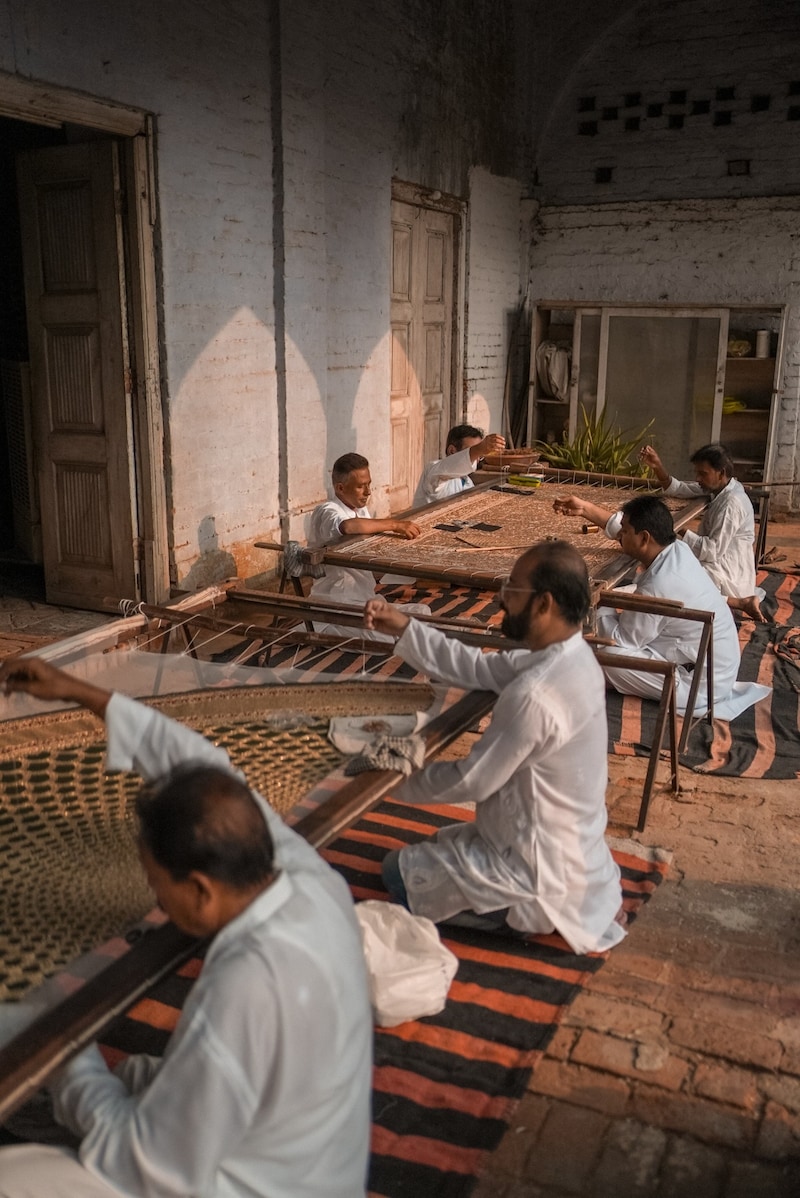
For Savnit Gurnani – the mind behind Dhaaga & Co. – craft preservation is all about keeping the artform intact by working with families of kaarigars who have mastered the technique over generations. The brand even creates bespoke archive-inspired pieces that feature such heritage craftsmanship. The designer expresses, “These rare creations are tailored for clients who truly understand the depth of hand-finishing of that level. We don’t rewrite the craft; we reframe it. The stitches and technique remain untouched, while silhouettes and contexts evolve to speak to contemporary lives. Authenticity is preserved by discipline – by knowing exactly where innovation must stop.”
The biggest paradox to exist in today’s industry is perhaps, the inadequacy of authentic heritage craftsmanship despite an enormous number of supply. The practice as well as patronage of preservation of such crafts teaches us what once existed. Custodians of textile and craft restoration like Sanya Dhir, Savnit Gurnani and Chinar Farooqui, not only preserve a part of history but also sustain the skillsets by going against the fast paced market drift, and creating employment for techniques that rely on time rather than season or trends.


I’ve been looking for a reliable place to play and this one really delivers. The interface is super smooth and the payouts are fast. Check it out at lucky97login505
Great article! Seeing platforms like jl 66 login really streamlining the registration process (60 seconds? Wow!) is a huge win for Filipino players. Easy access & secure play are key! 👍
I felt really lucky playing here today. The registration process was quick and the games are top-notch. Five stars for lucky53game.
The platform’s structure is solid, especially the payment options. Keep optimizing the user flow; it’s crucial for retention. For deeper insights, check out 7333 লিংক.
I love how easy it is to navigate this site. Had a great run last night and the bonuses are actually fair. Check out bd499bat if you want some action.
Absolutely loving the current promotions. The site runs perfectly on my phone and the community is great. Check out phkingjililogin