

Step inside a home in South Asia or the Middle East, and you’re instantly met with a sensory embrace. It’s the deep, resinous trails of bakhoor or the delicate, lingering smoke of an incense stick – a fragrant signature that defines many brown households. For generations, these scents were the backdrop of daily life, clinging to the fabric of curtains and the memories of childhood.
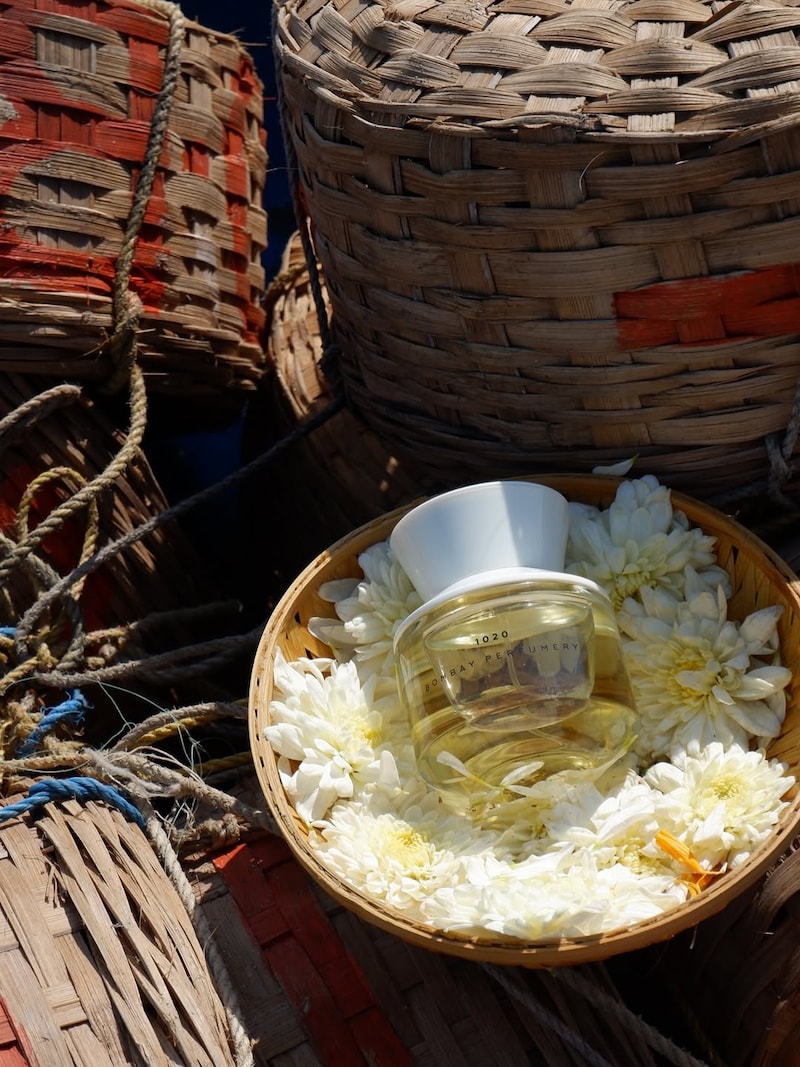
Image Courtesy: Bombay Perfumery/ Instagram
Image Courtesy: Bombay Perfumery/ Instagram
For years, the industry leaned toward the sterile, minimalist “clean girl” aesthetic, prioritising scents that whispered notes of white musk, clean linens and soap. Polished, minimal, and deliberately inoffensive, these fragrances became synonymous with a certain kind of aspirational living.

But scent, like style, rarely remains static. As trend cycles accelerate and aesthetics begin to blur into one another, there is a growing fatigue with neutrality. With people craving to get out of the rut of hyper-focused algorithmic trends, many are looking inward, at home, towards heavy, heady notes that defined their childhood. They no longer want to smell like a blank slate; they want to smell like home.
Reclaiming Olfactory Identity
Fragrance has always been a vessel for identity, but for many within the diaspora, the scents of oud, sandalwood, jasmine, and turmeric were once things to be “managed,” especially for those residing in the West.
The fascination with “smelling clean” is more than just a preference; it often serves as a subtle class marker, signalling proximity to a specific Westernised ideal of wealth and minimalism. The “clean girl” aesthetic, in all its forms, has faced criticism for its lack of inclusivity. By design, this version of femininity is meant to be inoffensive and crowd-pleasing – made for a mass consumer and never intended to elicit a strong response.
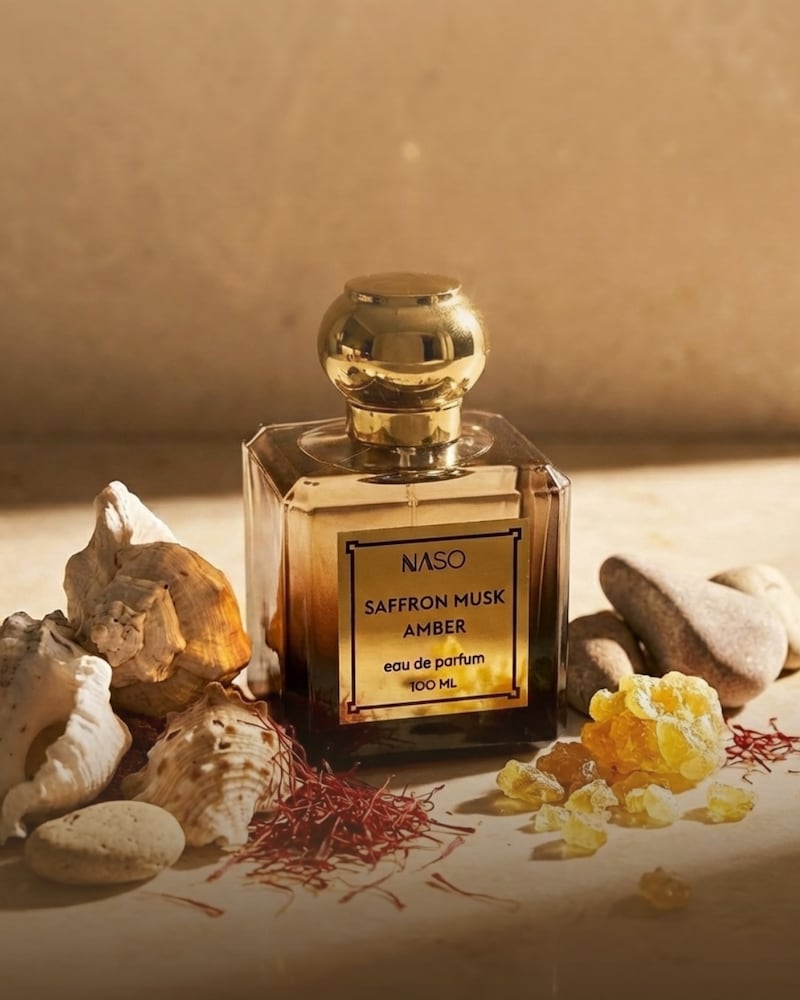
Image Courtesy: NASO/ Instagram
Image Courtesy: Faunwalk
But the tides are turning. This brand of “clean” aesthetic raises a question for those of us who didn’t grow up with this muted form of femininity. Where do we fit in this narrative? The “clean girl” doesn’t smell like the bold oud, saffron, or jasmine of our childhoods.
Bottling the Familiar
As we move toward a more unapologetic celebration of roots, there’s a surge in brown-owned fragrance brands and niche perfumery that centres these traditional notes not as “exotic” add-ons, but as the main element. People are reaching for perfumes that mirror the richness of the jasmine that once bloomed in their nani’s gardens, the sandalwood soap bar they grew up using, a desi wedding or the spice-laden air of a souk in Dubai.

Image Courtesy: indē wild/Instagram
Image Courtesy: indē wild/Instagram
Take indē wild’s Surya and Chandra perfumes, for example. With notes of creamy Indian sandalwood and patchouli, the brand takes the wearer right back to their roots. Brands like Bombay Perfumery are crafting emotional narratives around “Chai Musk,” while niche houses like Naso Profumi and Isak Fragrances are reviving the ancient art of the attar for a generation seeking connection.
What unites these approaches is not just nostalgia, but intention. These scents do not attempt to translate themselves for a global audience – they simply exist as they are, layered, complex, and deeply personal. Choosing these scents becomes an act of returning home – of being enveloped in memories that hold close the places and people that have shaped who you are.


ax0q9j
ik6qgu