

On belonging, instinct, and the discernment of choosing differently, Rasika Dugal reflects on finding her way into acting, building a body of work without a formula, and learning to stay with uncertainty.
The first time I met Rasika Dugal, it was not on a set or a stage, but at her Bandra home on a February afternoon, in between fittings and trials. At one point, I notice multiple copies of Manto placed neatly on to the book shelf and, rather earnestly, assume I’ve stumbled upon a devoted reader. Had I not known she had done the film, I might have stayed with that impression. It was research, she said. It had to be done properly.
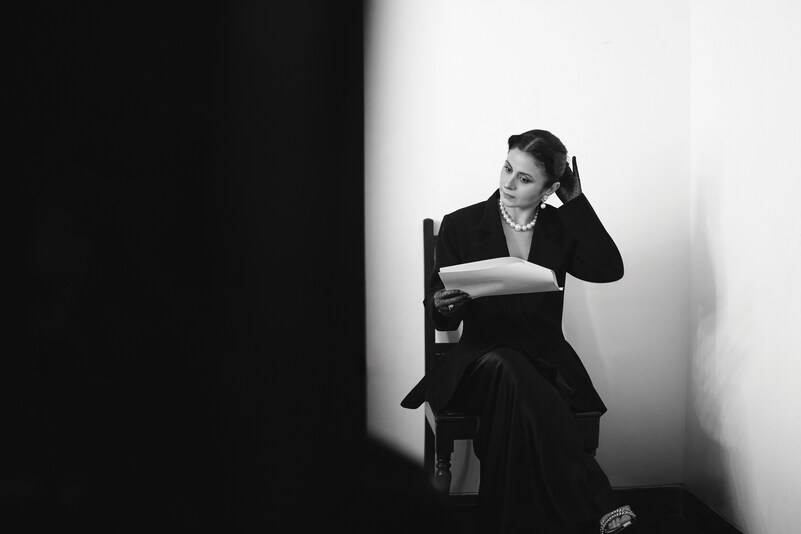
What she is reading, though, is something else entirely. The Loneliness of Sonia and Sunny by Kiran Desai. She speaks about it with the kind of attention that suggests she is still in it, and not quite finished. Weeks later, when we spoke again, it was the first thing I asked her. Not about the work, not about the roles. Had she finished the book.
It felt, instinctively, like the right place to begin.
Because if there is a through-line to the way Rasika Dugal works, it is this almost stubborn commitment to staying with something long enough for it to find its way to her. Whether it is a character, a script, or a novel she carries across flights and holidays, there is very little haste in her engagement with things.
You see it in her home. The art on her walls, many of them given to her by her mother, feels lived with rather than curated. Everything feels chosen. It almost mirrors the way she approaches her work. Not as something to be projected, but something to be understood, held, and then, only then, offered.
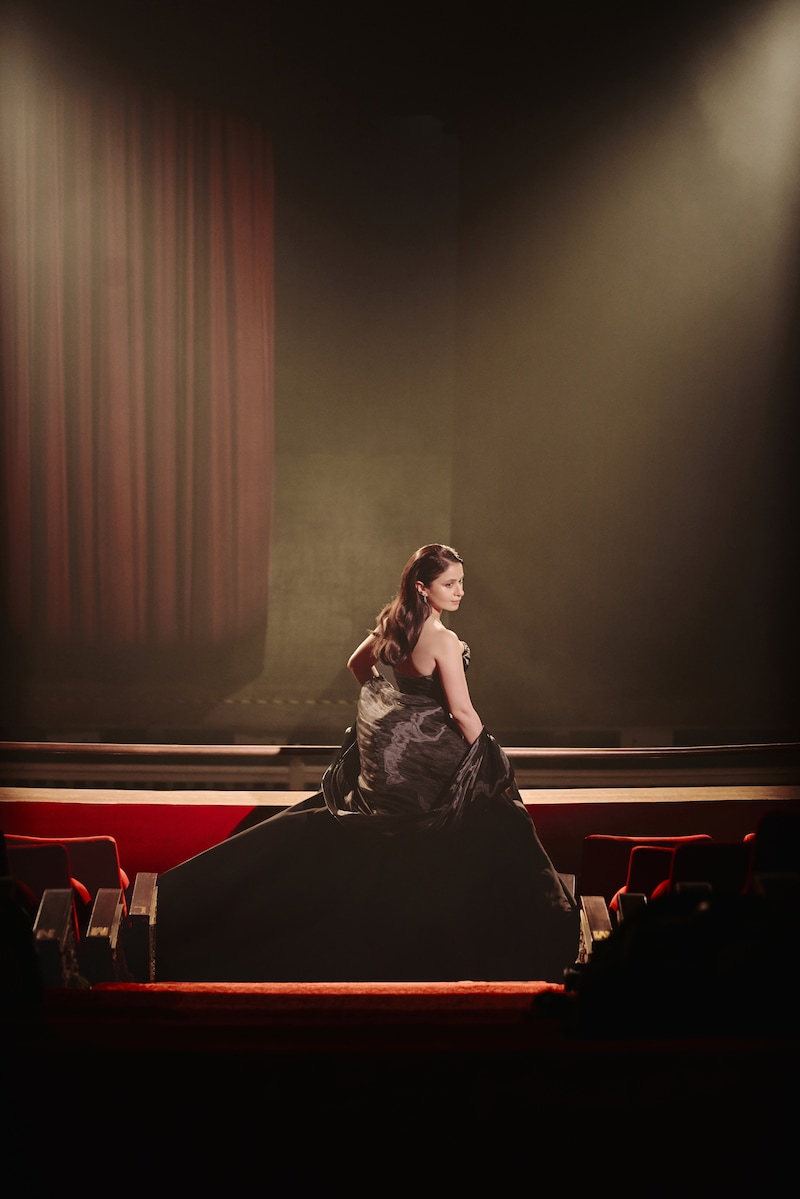
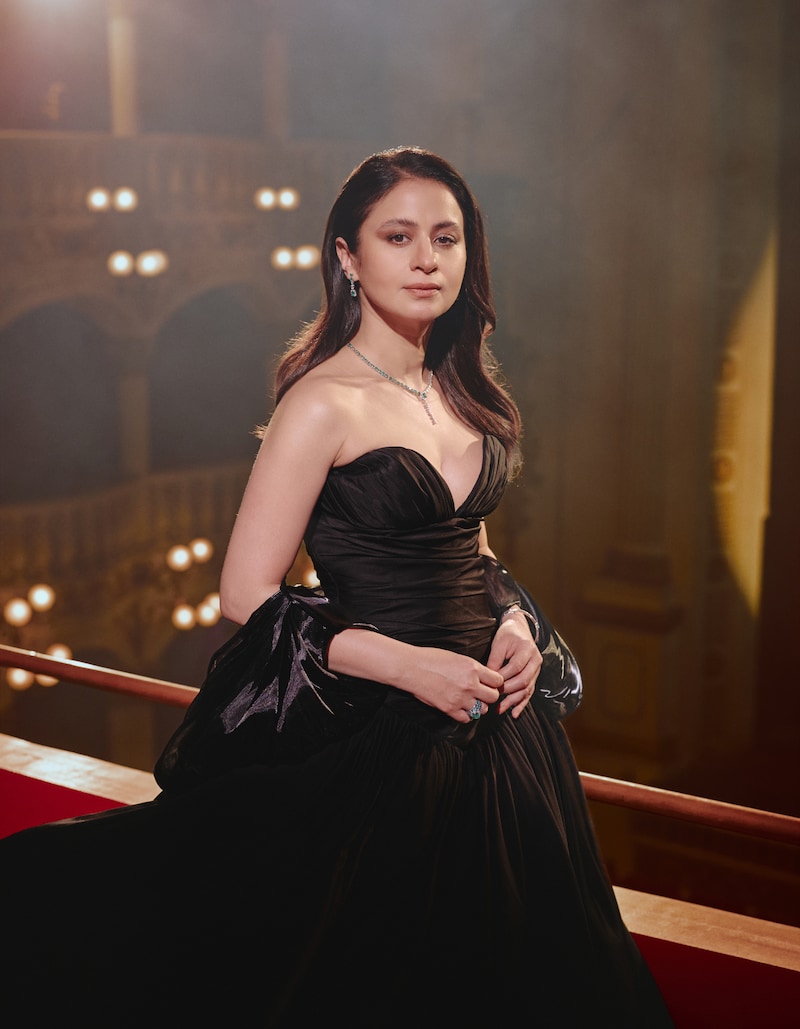
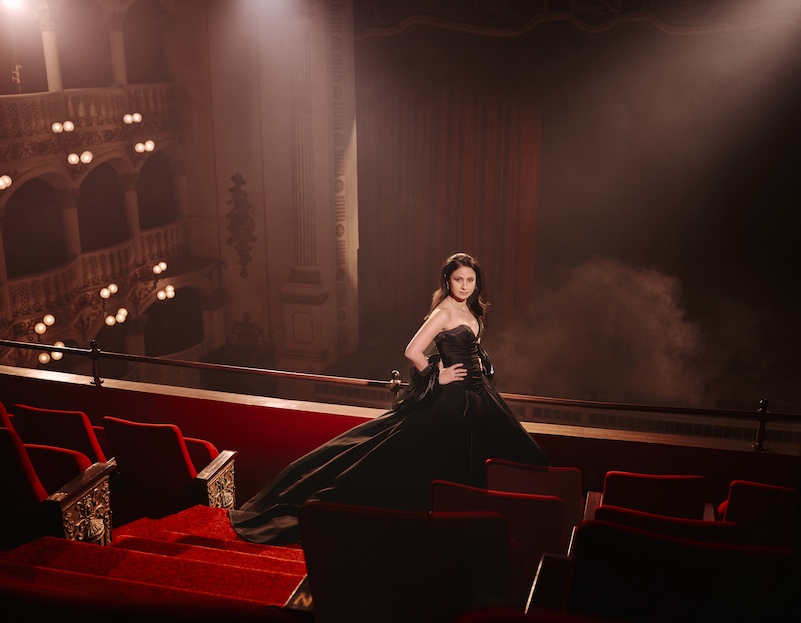
Which is perhaps why placing her within the Royal Opera House felt inevitable. Theatre, after all, is where this began. Not with certainty, not with ambition, but with something far more tentative and far more honest.
A need to find her place.
“I think the desire to get involved in theatre really came from a need to belong.”
ACT ONE
Becoming, Almost Reluctantly
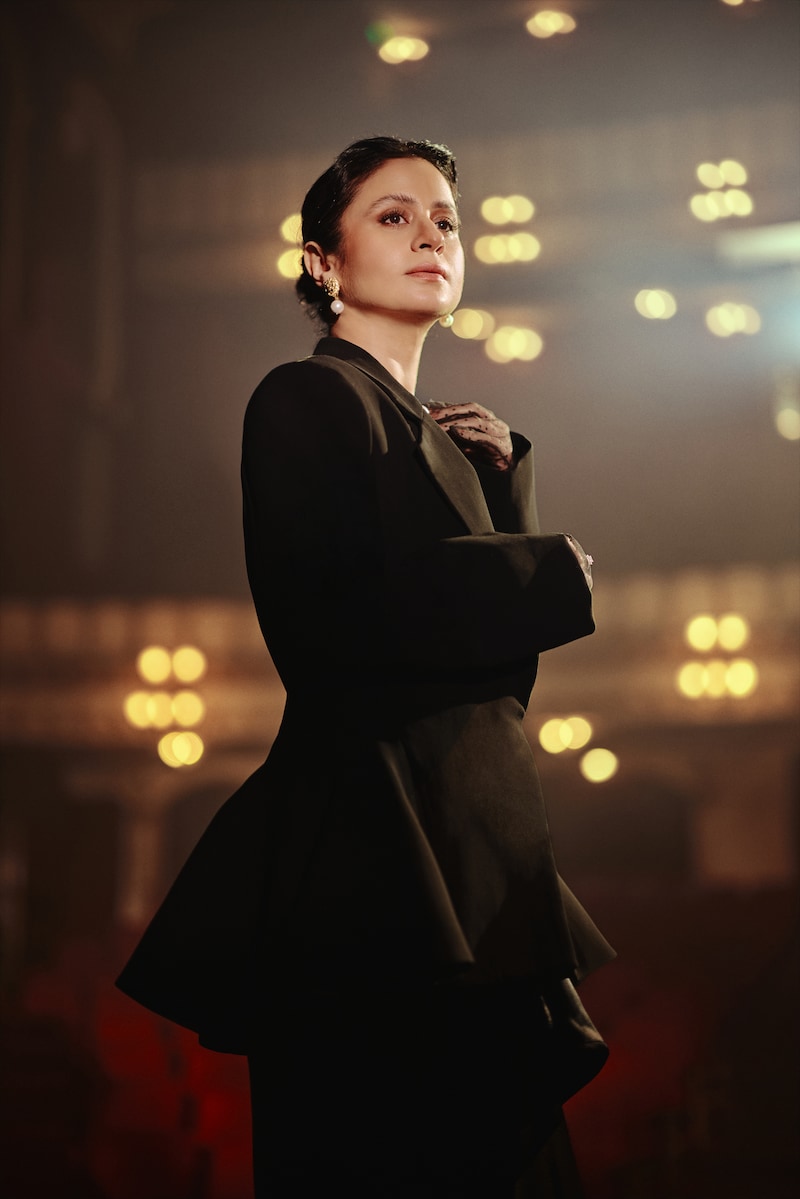
Rasika did not grow up around the idea of acting as a profession. Jamshedpur, where she spent her early years, was familiar and contained. “I knew my way around my hometown,” she says, describing a life that was steady, predictable, and far removed from the worlds she would eventually inhabit. College changed that. Lady Shri Ram College, as she remembers it, felt like an entirely different universe. “Everybody was so talented, so beautiful, so intelligent. I was mesmerised and intimidated at the same time.”
It is the kind of honesty one rarely hears in retrospect; a moment of unmooring. Theatre entered her life not as a calling, but as a way of finding her footing in this new, slightly overwhelming world. “I think the desire to get involved in theatre really came from a need to belong.” It was less about performing, more about proximity. A way to understand people, to build a sense of community, to participate in something that felt larger than herself.
And yet, even as she gravitated towards the stage, there remained a certain hesitation. “I’ve always had a complicated relationship with being at the centre… I’ve wanted it, but I’ve not always been comfortable with it.” She vividly remembers a school play from much earlier. Everyone had wanted the lead. She had secretly hoped for the second part. The centre felt like too much. And then, somewhere along the way, she realised that the centre also offered more. More to do, more to explore, more to experience. That contradiction, she admitted, had stayed with her. The wanting and the resisting, coexisting rather resolutely.
For a long time, acting remained exactly what it had begun as. Curiosity. “It remained in the space of curiosity… I was still curious when I joined FTII.”
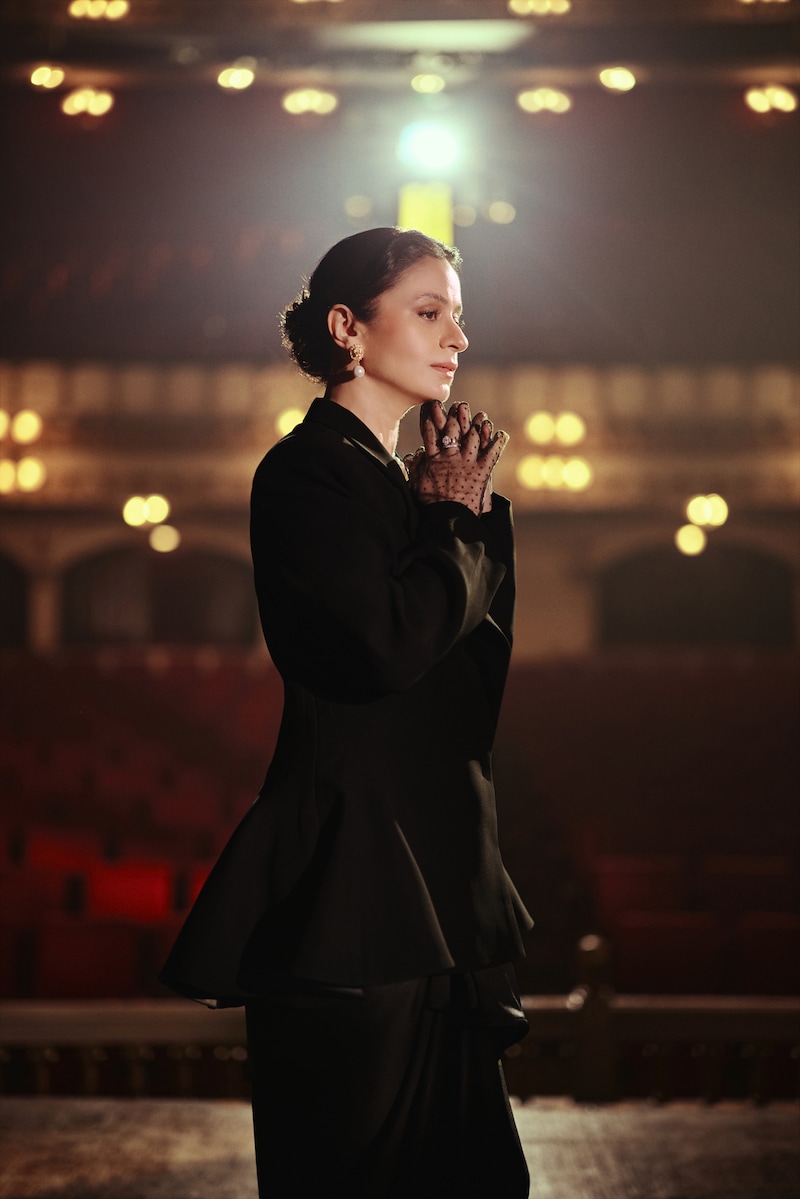
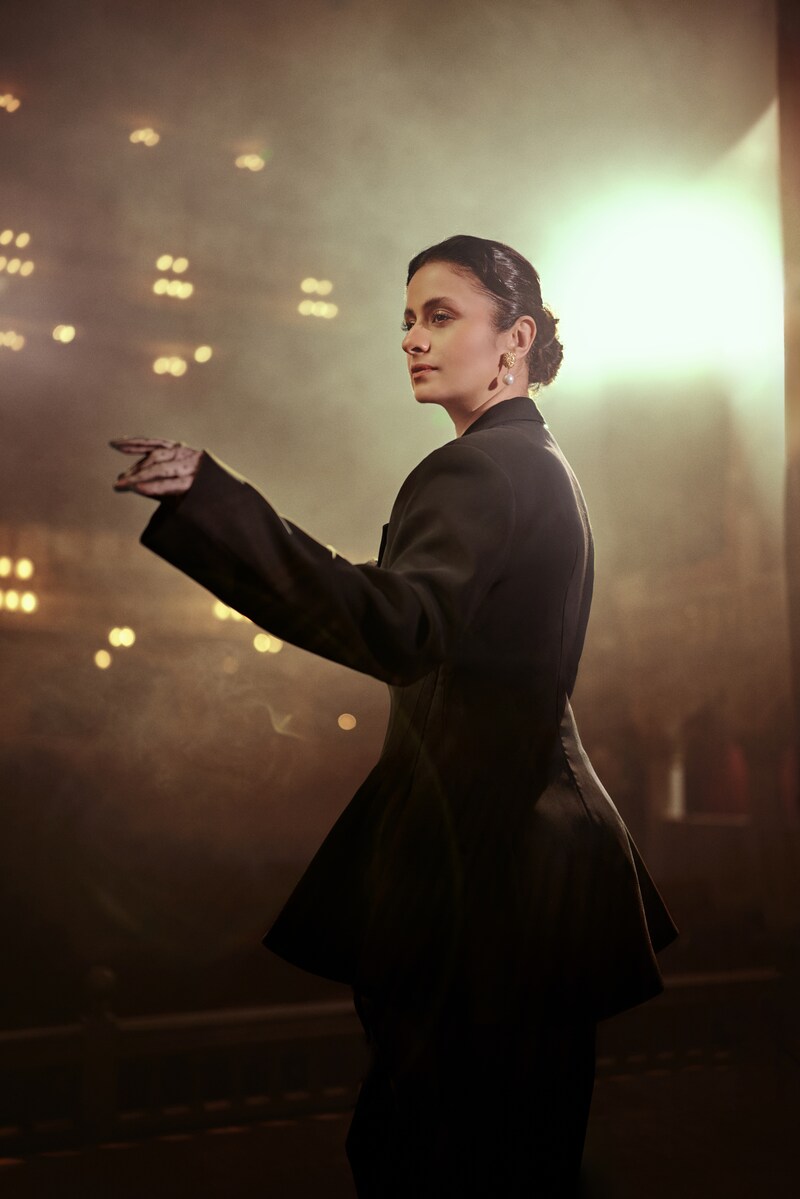
At the Film and Television Institute of India, she had not joined with a plan so much as an intrigue. The idea of a film school, of a space where people spoke about cinema under trees and spent hours in libraries looking through art books, held a certain romance. Even the physicality of the institute mattered. The legacy of Prabhat Studios, the sense that the space had held stories long before she arrived.
Something shifted in the months that followed. “Within six months, I knew this is what I wanted to do for as long as I can.” What changed was not only the certainty, but the way she began to understand the craft itself. Much of that, she would later say, came from her time training under Naseeruddin Shah. One lesson, from 2005 in particular, those early years stayed with her in a very practical way. You must know not only your own lines, he had told them, but also the lines of the other person. Only then would you truly listen. It sounds simple, but it still comes to her at unexpected times.
Years later in 2019, she found herself on set with him filming for The Miniaturist of Junagadh, she had been nervous, trying not to let it show. He looked at her and said, almost casually, “Linein yaad kar li hain?” To which she replied, “Sir, aapki bhi kar li hain.” It was a fleeting exchange, but it carried the warmth of a full circle moment.
There were other moments that stayed. After a screening, she had been standing outside when Rekha and Shabana Azmi walked out, mid-conversation. “And they were like, ‘she was so good in the film,’” Rasika recalled, still sounding faintly incredulous. “And I thought to myself, I cannot believe that they will be talking about my work. I can’t believe this is happening!” There had been an impulse to capture it, to hold onto the moment in some tangible way. “I really wanted to sort of take a photo, but I was too shy to ask for it,” she said, laughing at herself now.
Years earlier, when she had met Shabana Azmi after Qissa’s screening, the feeling had been similar. “She said, ‘You were so, so good,’” Rasika recalled. “And I was just struck by the attention she was giving me.” What left the impression with Rasika was not just the compliment, but the way a senior artist, who also happened to be one of her mentors, had chosen to notice her, to engage, to respond with sincerity.
It is perhaps this idea of being seen, and learning how to see, that anchors everything that follows. Because for Rasika, acting was never about stepping into the spotlight with ease. It was about learning how to occupy it, slowly, carefully, and very much on her own terms. And even then, not entirely comfortably.
ACT TWO
On instinct, choices, and building without a formula
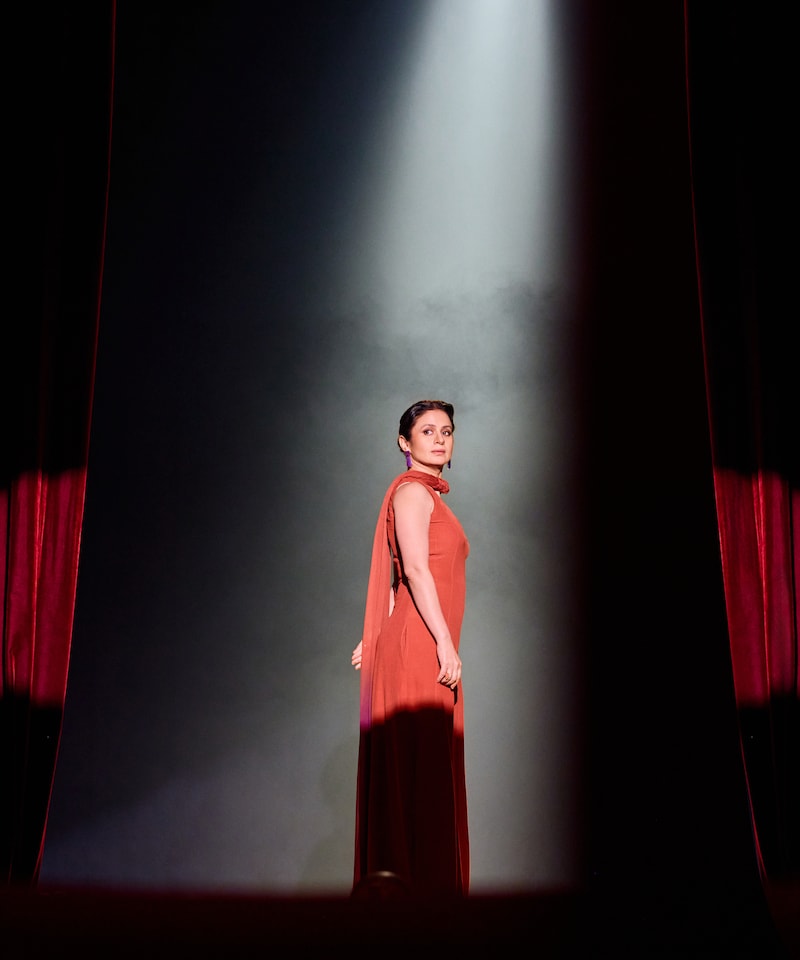
If there is a method to the way Rasika Dugal has chosen her work, it is not one she seems particularly interested in defining. “I don’t have an answer,” she said, almost amused at the question itself. For a long time, she pointed out, the idea of choosing did not really exist. Work came, or it did not. And so, the mythology of instinct, of knowing within the first ten pages, of decisive clarity, was never quite her experience. “I don’t think I have ever read only half a script and said no. I always read the whole thing. Even if I’m not feeling good about it at page thirty, I feel like it might get better.”
And I think, there is something obdurately hopeful about that. A refusal to dismiss too quickly. A willingness to stay with something, even if it does not immediately reward you. The clarity, she admitted, rarely lies in the obvious decisions.
“The decision to not do something is very clear when it doesn’t align with me. The confusion is when I’m not sure.” It is in that uncertainty that most of the work seems to take place. The space between a clear no and an instinctive yes. “The confusion is when I read something and feel like… okay, it’s fine. Those are the difficult ones.” Because by then, the decision is no longer just professional. It becomes personal. A reflection of where she is, what she values, and what it has taken to arrive at a place where choice is even possible. “I struggled hard to be where I am today. So if I’m given a choice, that choice is a privilege. I cannot disrespect that.”
And yet, she knows that not everything deserves a yes. “If something is not stirring anything within me, then I won’t be able to do justice to it.” That tension does not resolve itself easily. “These are not easy decisions. Making that decision takes me so long… I’m exhausted.” And then, every so often, something cuts through all of that hesitation. “There are scripts where you just know. I remember physically jumping in my room.”
It is a striking image, not least because it sits in such contrast to the stillness she brings to her performances. But perhaps that is precisely the point. The stillness comes much later, after the instinct has settled.
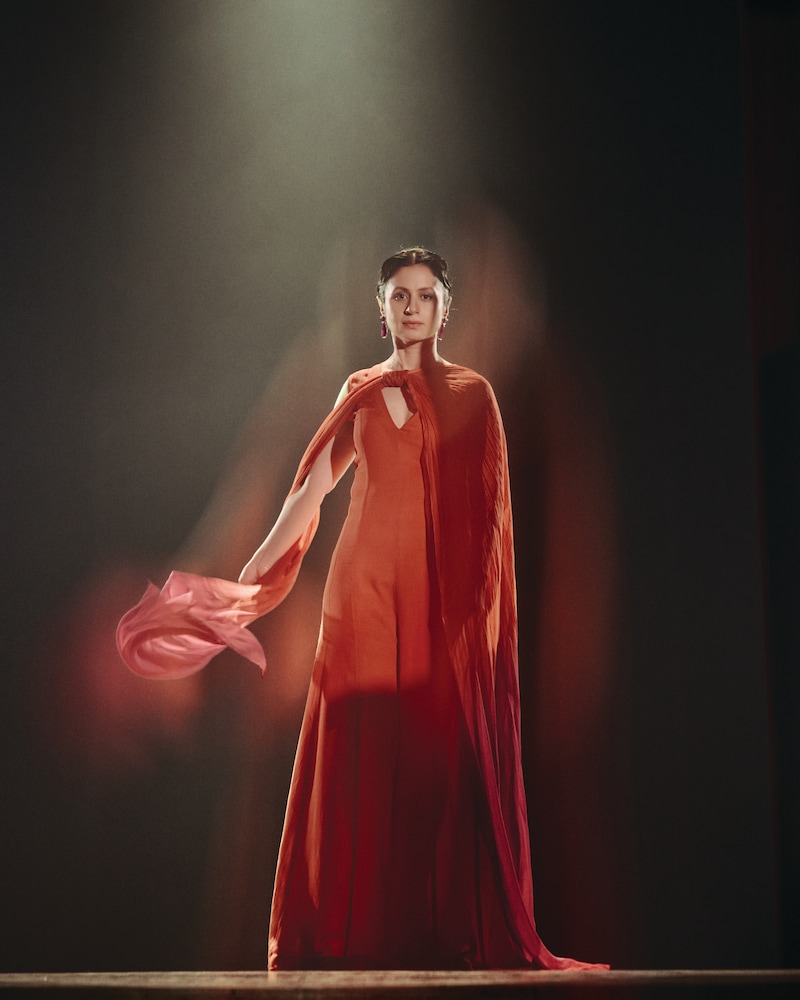
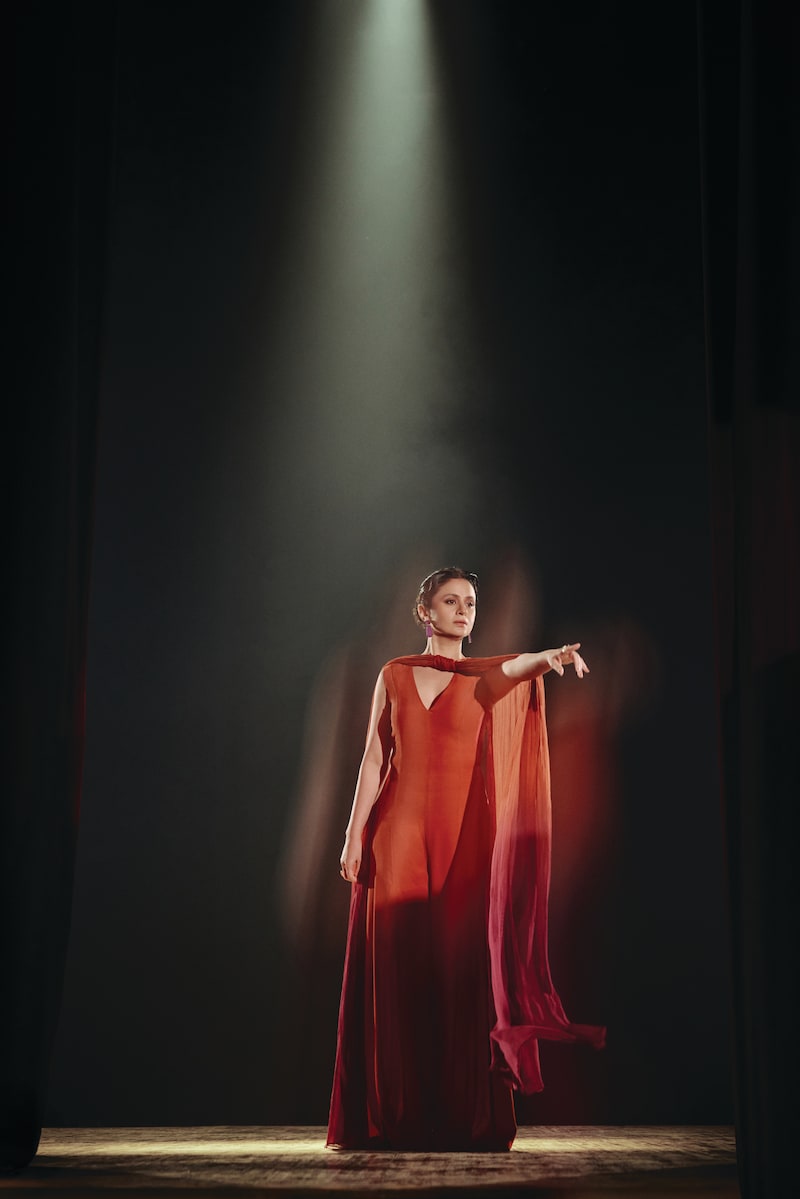
What draws her, when it does, is not a fixed kind of character or a particular role, but something far less tangible. “The only thing that might have been common is the excitement to collaborate creatively.” Directors, co-actors, the energy of a set, the possibility of building something with other people. That, more than anything, seems to anchor her choices.
And contrary to what one might assume from her body of work, she is not particularly drawn only to intensity. “I’m very drawn to lightness also… a lot of what I enjoy now has comic tones.”
What matters to her, ultimately, is not whether a story is heavy or light, but whether it says something, and how it chooses to say it. “It has to say something. And it has to say it in an interesting way.” She is aware that this is not always the most strategic choice. But strategy, it seems, has never been the primary lens. “You make decisions that are true to yourself.”
Her process, when she speaks about it, is equally resistant to neat definitions. “The attempt is to create a world in which the character exists.” For Manto, that meant reading extensively (remember, the numerous shelved copies at her home that I mentioned?). Not to gather information, but to understand the world from which the character emerged.
The same instinct guided her work on Hamid, where she spent time in Kashmir, not searching for a singular, defining experience, but simply being present. “You have to spend enough time… and trust that you will absorb things, and that will find its way into the work.”
It is, in many ways, an exercise of patience. And an acceptance of the fact that preparation has no real endpoint. “The more you prepare, the more you realise how much you don’t know.”
She said it lightly, almost in passing. But it reveals something fundamental. There is no final understanding or a moment where the work feels complete.
Only the ongoing effort to come closer.
ACT THREE
On time, perception, and letting things unfold
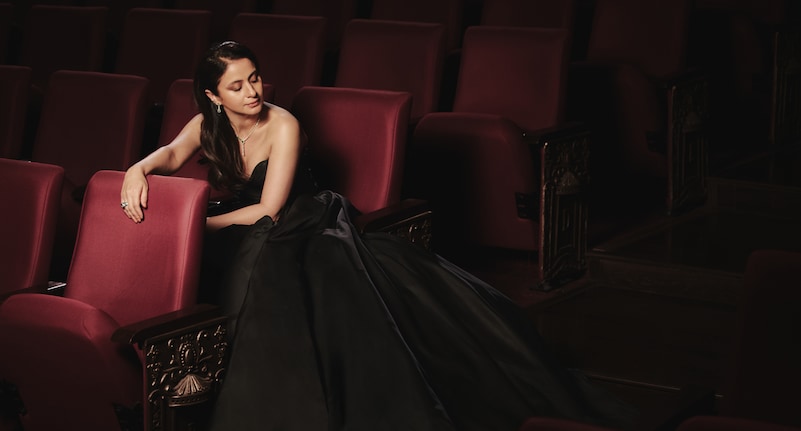
If the earlier parts of the conversation circled around craft and choice, this last stretch drifted, naturally, into something more personal. Not in a confessional way, but in the reflective manner of someone taking stock without announcing that she was doing so.
There was, first, the question of how she had been seen, and how that, in turn, had shaped the way she saw herself. She spoke about the limited ways in which women had often been written and perceived within the industry. “People don’t associate women with a sense of humour,” she said, with a hint of amusement. “The natural association is with compassion and intensity… as if the responsibility of emotion in any given story rests with the woman.”
It was not said with frustration, but with a certain clarity. It did not quite correspond with her experience of the world. “Most women I know have a great sense of humour… otherwise, how would they survive?” There was wit in the remark, but also an understanding that humour often goes unacknowledged.
There is a point in the conversation where we begin to talk about perception; the way actors are seen, labelled, and often reduced. She is aware of the mechanics of the industry, and she doesn’t dismiss it. “The business of perception exists,” she says, matter-of-factly. But she refuses to centre it. “It’s not something I want to give too much of my energy to.” She understands the contradiction at its core. “You’re putting yourself out there to be perceived… and that perception affects your life. But it’s not entirely in your control.”
When the conversation turned, almost imperceptibly, towards what the work had given her, the answers shifted again. They became less about roles and more about what had stayed after them. “With Mirzapur, I realised I could be sexy,” she said, almost casually, as if acknowledging something she had discovered rather than something she had set out to prove. But it was Manto that had altered something more deeply. “I genuinely learnt to value and be grateful for the women in my life,” she said. She spoke about growing up with a certain understanding of feminism, one that, in hindsight, felt incomplete. “My understanding was limited… and they did what they did with so much grace.” The work, it seemed, had a way of returning her to herself in unexpected ways.
There were other, smaller shifts too. Learning to reconnect with language. With memory. With parts of her upbringing that had remained, until then, slightly out of reach. “I started reading Punjabi poetry… it’s the most beautiful thing,” she said, almost softly. And then there was the idea of continuity. Of returning to a character over time, watching both the character and herself evolve alongside each other. “I feel like my journey is being documented,” she said, speaking about following the same character across seasons of Delhi Crime.
It is perhaps the closest she comes to acknowledging what others might call a trajectory. Not in terms of success or visibility, but in terms of accumulation. Of time spent, work done, things understood a little better than before.
And then, almost as if circling back to where it all began, she spoke about something far simpler. Connection.
“I feel really special that in this profession, you can connect with people you’ve never met.” She recalled, with a kind of warmth, a man who had once stopped her during a morning walk during Covid. “He said, ‘I just want you to know, I am so proud of you.’” She did not know his name. She had only met him in passing, once during the pandemic, and then again, much later. And perhaps that is what this entire journey has been about. Not the roles, not the recognition, not even the choices themselves. But these fleeting moments of connection that arrive unexpectedly, and stay longer than one anticipates.
Rasika Dugal does not speak of her career as a long game. There is no sense of strategy in the way she recounts it. No attempt to frame it as a carefully charted path. And yet, when you step back and look at it, there is a certain coherence to it all.
A patience and a refusal to rush. A willingness to remain in conversation with the work, and with herself.


I’ve tried a few other platforms but the stability here is impressive. No lags during my gaming sessions which is a huge plus. Love jili95login.
This app is a game changer. The graphics are amazing and it doesn’t lag at all. Perfect for relaxing after a long day. Download jljl44app