

For decades, Indian menswear has been shaped by ceremony. The sherwani, the kurta, the embroidered jacket – each has held its own place within the rituals of celebration. But as the modern man moves beyond convention, the way he dresses for special moments is evolving with him.
Nowhere is this more apparent than in the choices made by the modern groom, who is approaching occasionwear with greater intention and a sharper sense of personal style. It is within this changing landscape that Dolly J enters menswear with BRĀHM, bringing a decade of couture experience into a distinctly masculine vocabulary.
For a label built around opulent womenswear, the move marks a new chapter, but not an unfamiliar one. The sensibilities behind Dolly J’s couture, from its fascination with craftsmanship and heritage to its emotional approach to design, now find expression through structure, proportion and restraint. “Menswear felt like a natural evolution for the brand,” the designer says. “Our language has always been rooted in craftsmanship, heritage and emotion, and I wanted to explore how those same values could translate into a more structured, masculine vocabulary.”
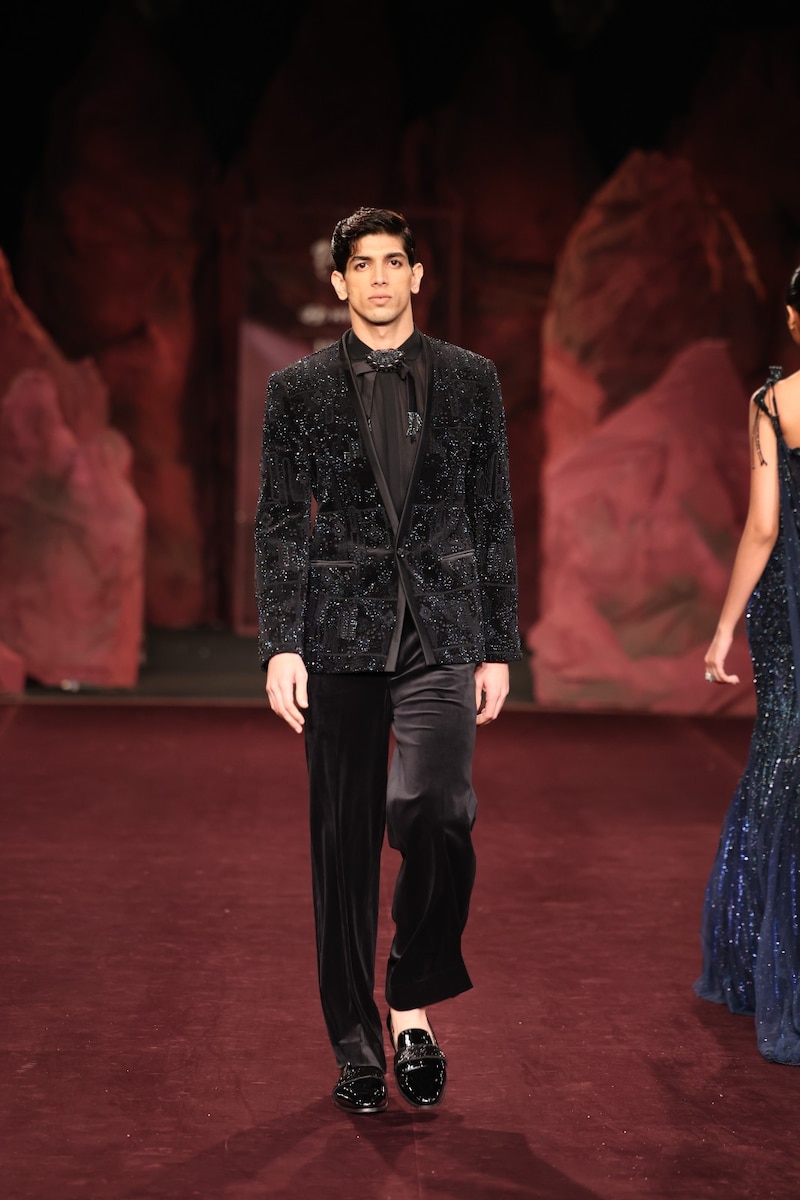
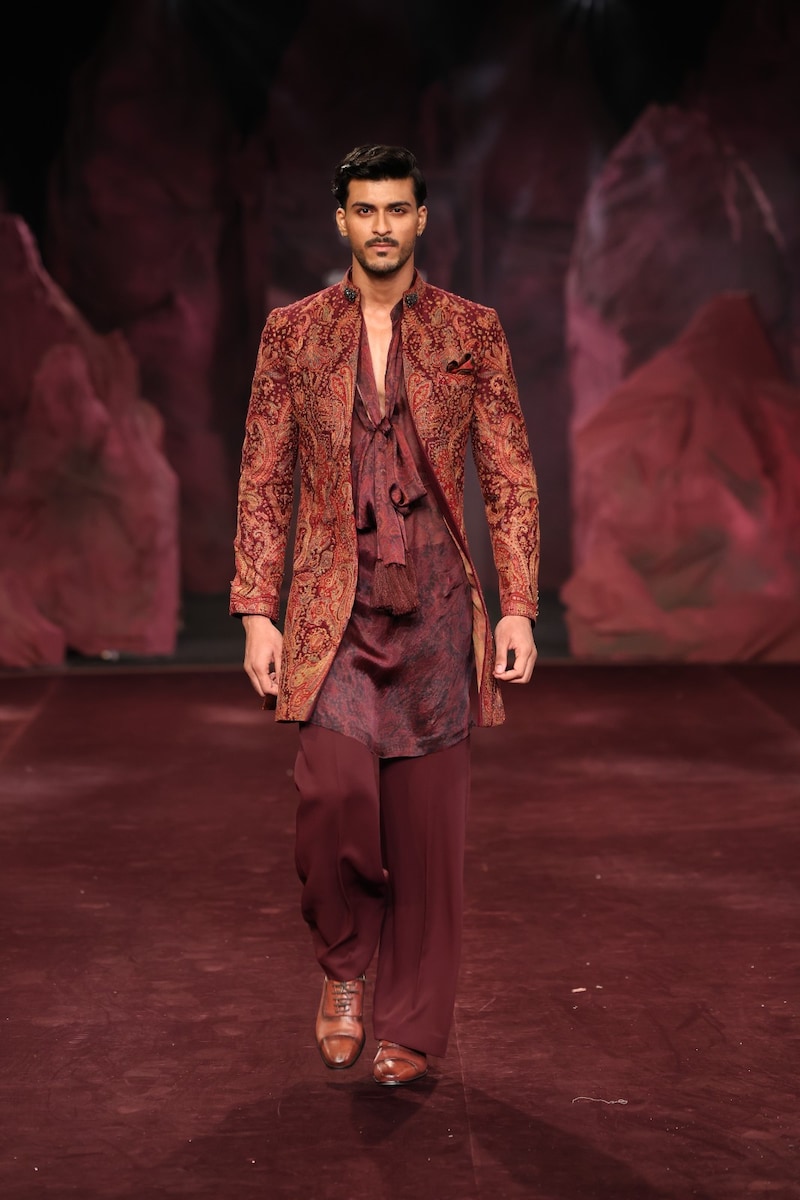
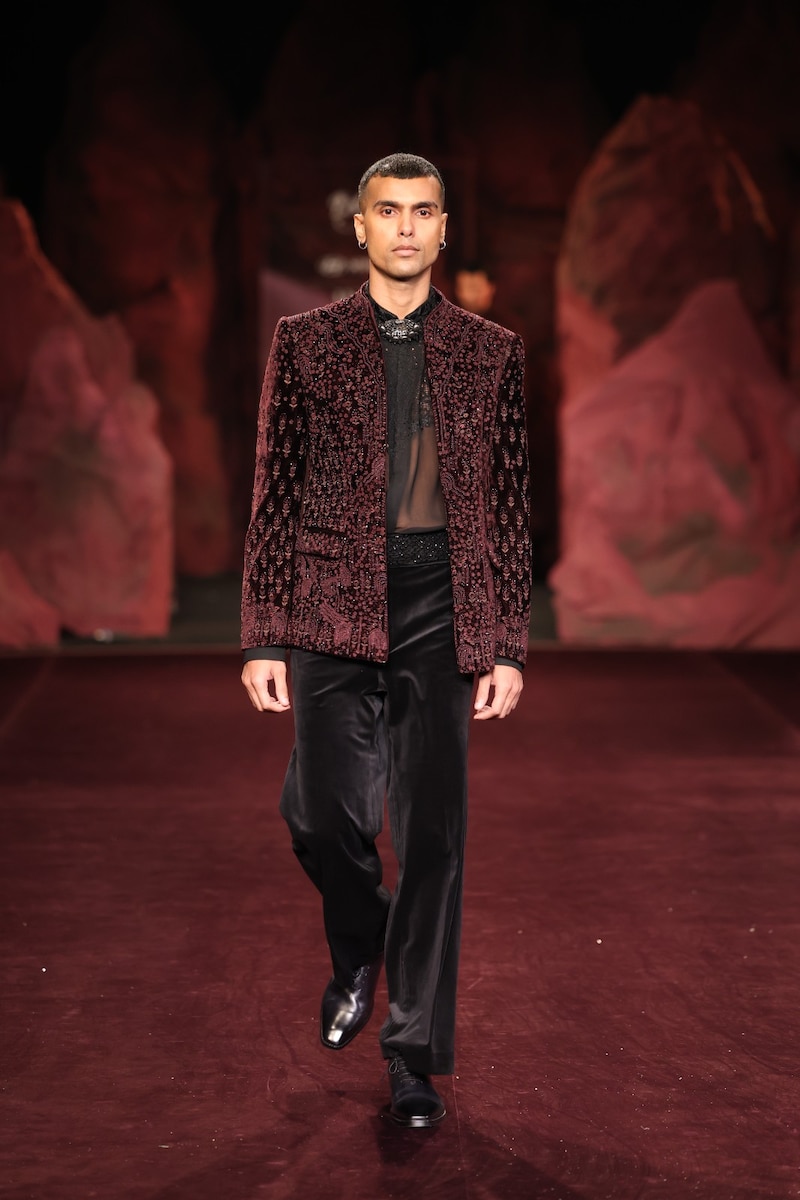
The timing feels equally telling. The Indian groom is becoming more deliberate about how he wants to be seen, reconsidering traditional silhouettes and embracing personal style. As established codes grow less prescriptive, occasionwear is becoming increasingly individualistic. “The modern groom has evolved, and his idea of occasionwear has evolved with him,” Dolly J observes. “He is now more discerning about craft and individuality.”
This changing sensibility comes through in BRĀHM’s treatment of Indian craft. Jali work, Kashidakari and intricate handcrafted detailing meet sharper silhouettes, creating a dialogue between techniques steeped in tradition and a more contemporary vision of menswear. Rather than stripping these practices of their character, Dolly J places them in a setting that feels fresh while allowing their intricacy to remain intact.
“The intention was never to dilute the craft, but to give it a new context.”
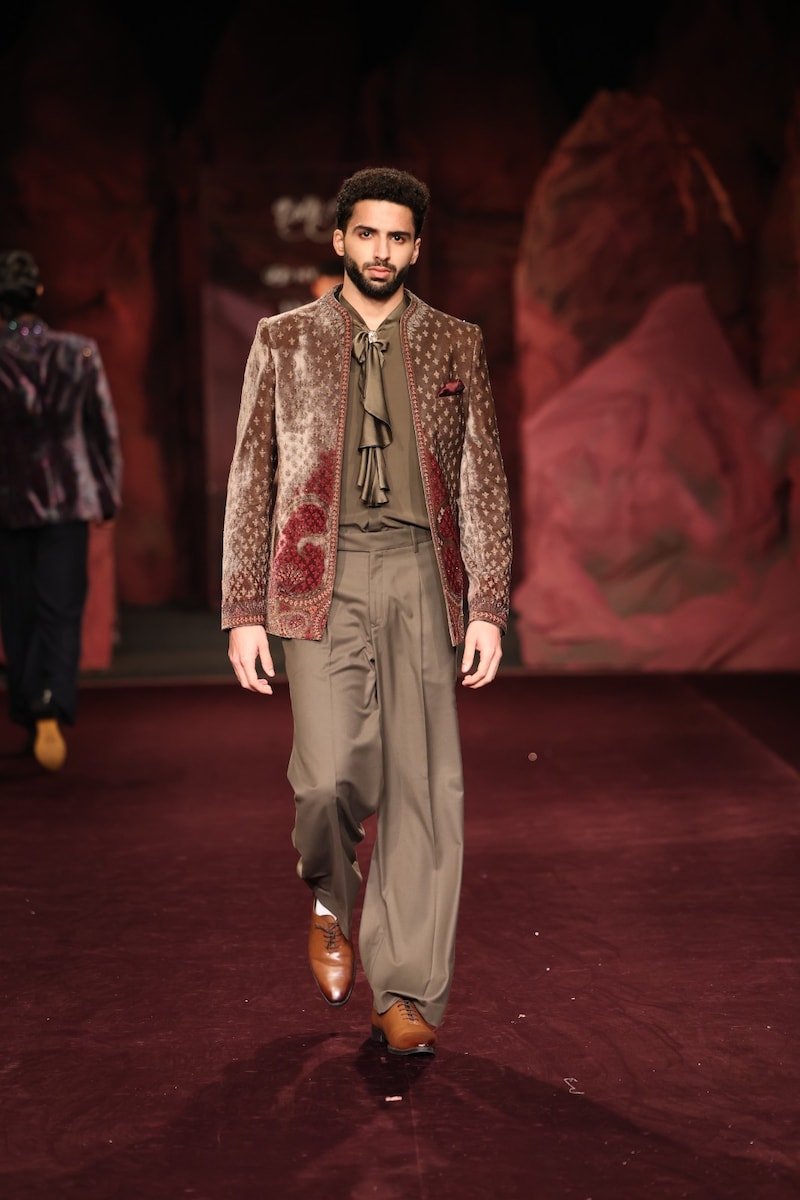
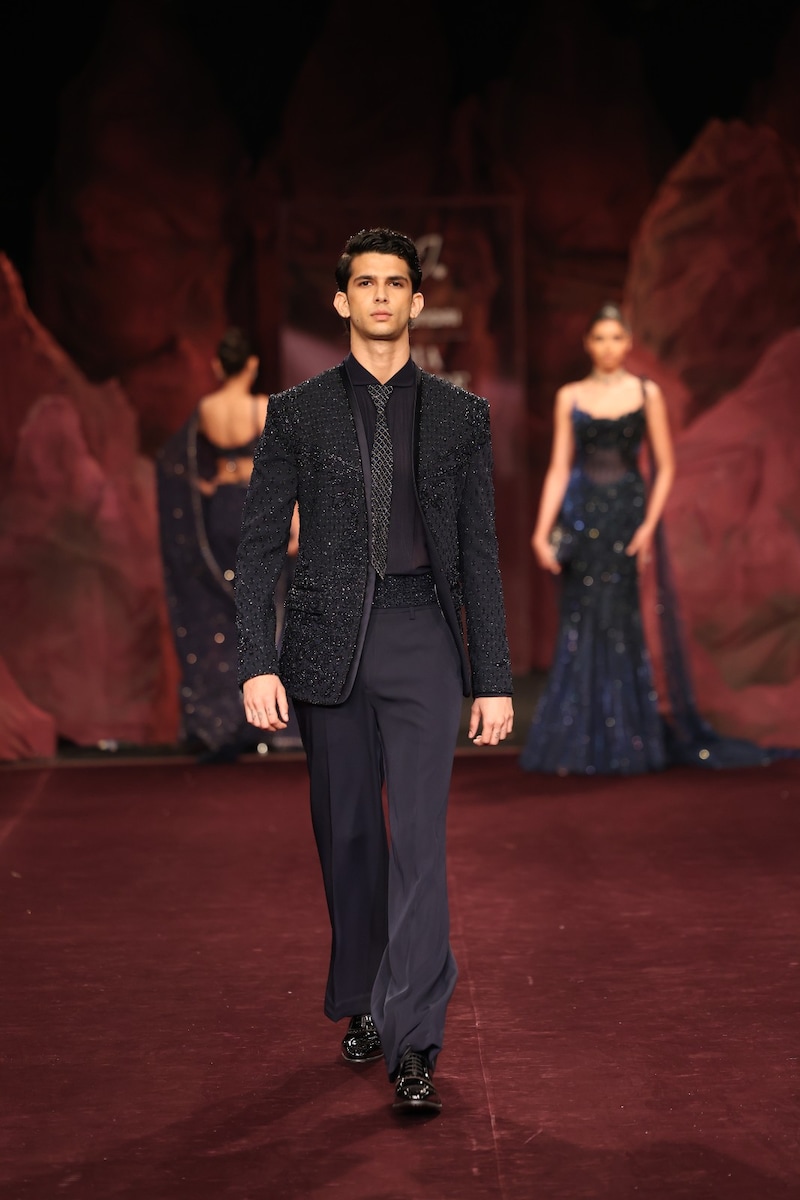
In BRĀHM, embellishment moves beyond decoration, becoming part of the garment’s identity through texture, proportion and considered detailing. The result is a collection where craftsmanship is built into the language of each piece.
The move into menswear also gave Dolly J an opportunity to reconsider the instincts that have shaped the label over the years. “I wouldn’t say I had to unlearn my instincts; I had to refine them,” she says. Proportion, structure and restraint take on greater importance, allowing the workmanship to emerge with greater subtlety. Richness doesn’t always need to be loud. Sometimes, the smallest intervention gives a garment its presence.
Rather than relying on overt spectacle, BRĀHM finds impact in the details, from silhouette construction to the quiet intricacy of its handwork. Grandeur remains, but with a lighter hand.
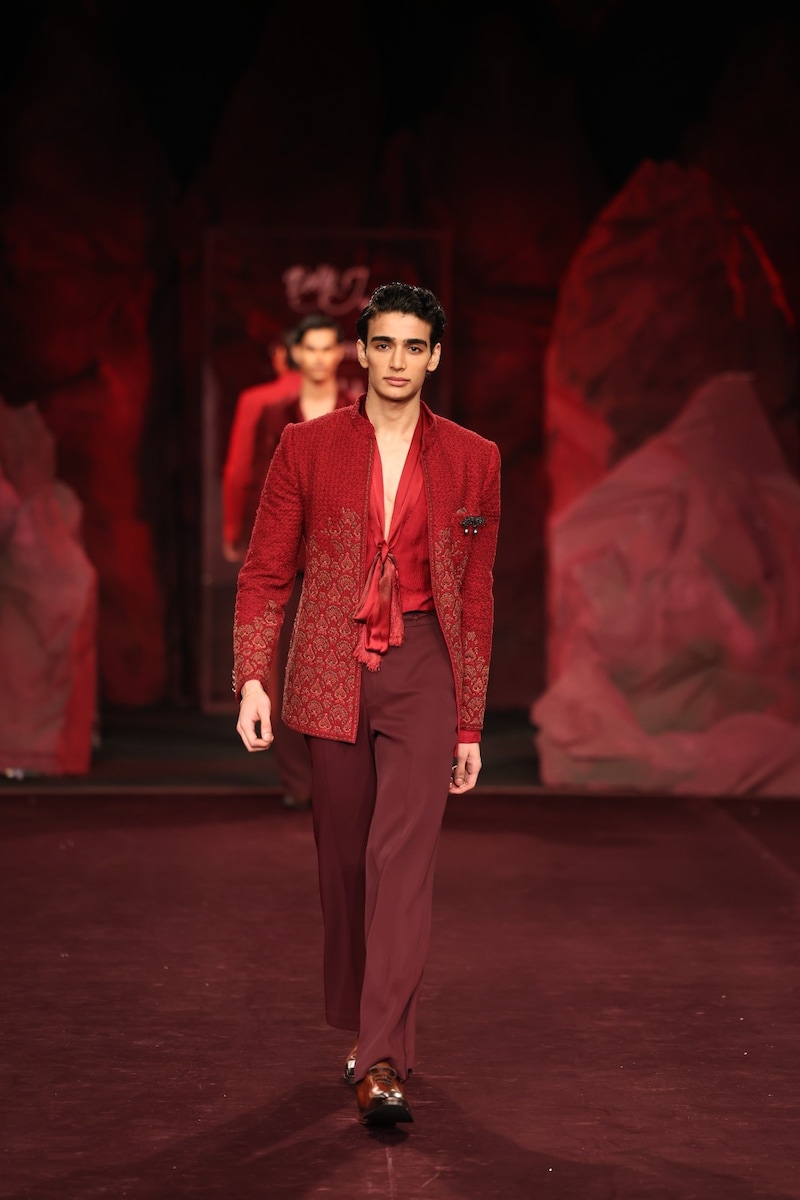
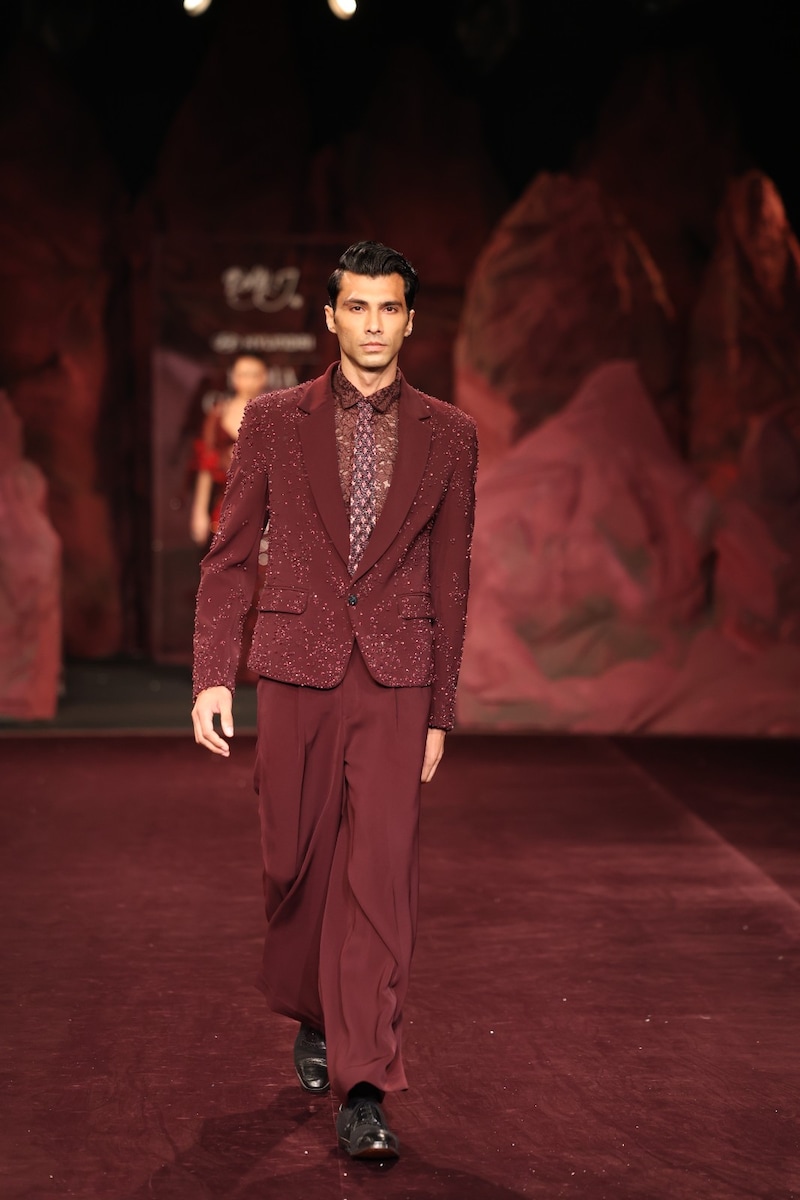
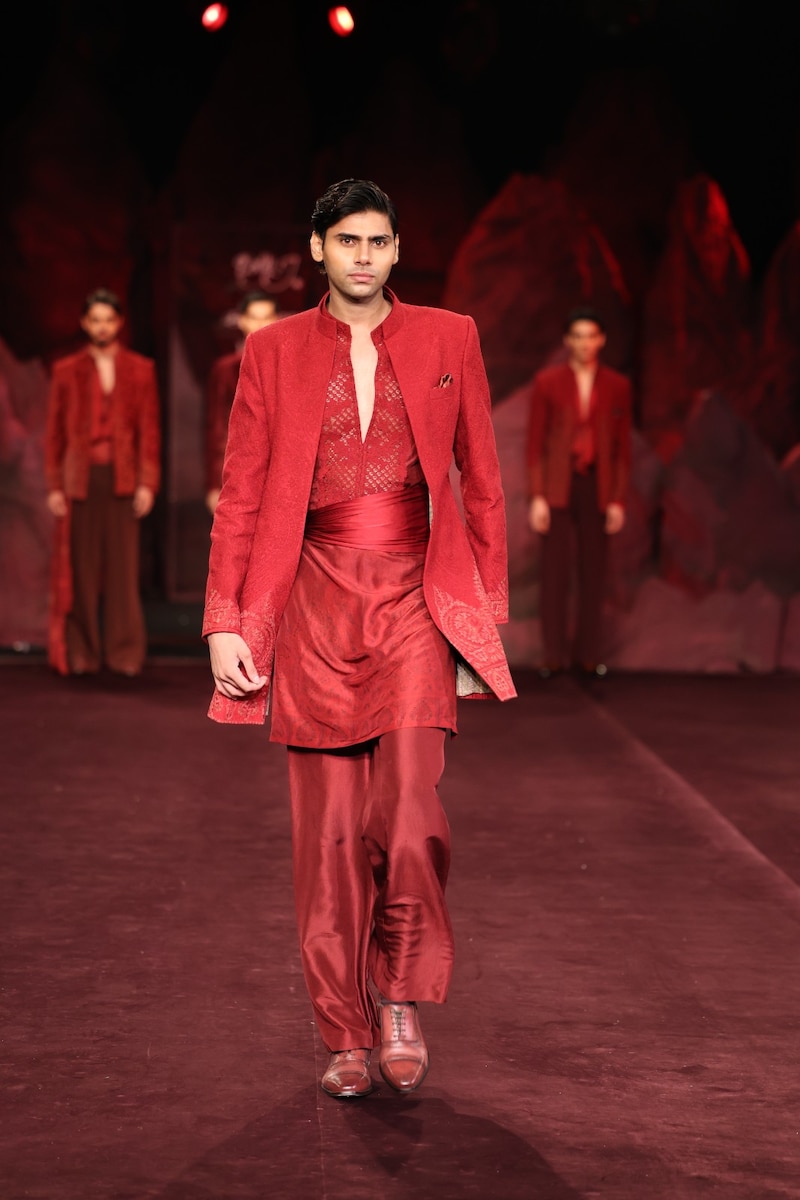
At the heart of this approach is an understanding of the man wearing the clothes. “BRĀHM is about confidence that doesn’t need to announce itself,” says the designer. “It is heritage expressed with restraint, and craftsmanship worn with an effortless sense of self.” For the groom, the result is occasionwear that acknowledges tradition without dictating how he should inhabit it.
That idea extends to the relationship between garment and wearer. “The garment should feel like an extension of his personality rather than something wearing him,” she says. Rather than prescribing a singular image of the modern man, BRĀHM leaves room for individuality to shape the final expression.
BRĀHM feels less like a new beginning and more like the next step in a story Dolly J has been writing for a decade. Evolution does not always demand reinvention; sometimes, it is about taking what you know and allowing it to move somewhere new.
The debut marks an expansion rather than a departure. Heritage remains at its core, while structure, individuality and a fresh point of view give BRĀHM a new rhythm.


