

Before a sketch reached a karigar’s workshop, Jayanti Reddy was already breaking the industry’s unwritten rules, mostly because she didn’t know them. Stepping into fashion with a business degree instead of a traditional design degree, she viewed textiles as living, breathing elements that can be edited, lightened, and reshaped. That outsider’s freedom became her greatest weapon in a market saturated with heavy, unforgiving embellishment. “I love opulence, but I like it to be controlled,” Jayanti expresses as she looks back on her journey through the evolving Indian luxury fashion industry. Celebrated for her signature blend of Nizami heritage and traditional occasion wear to traditional Indian occasionwear, Jayanti Reddy label has established itself as the primary bridge bringing Hyderabad’s royal heritage onto the modern Indian couture stage.
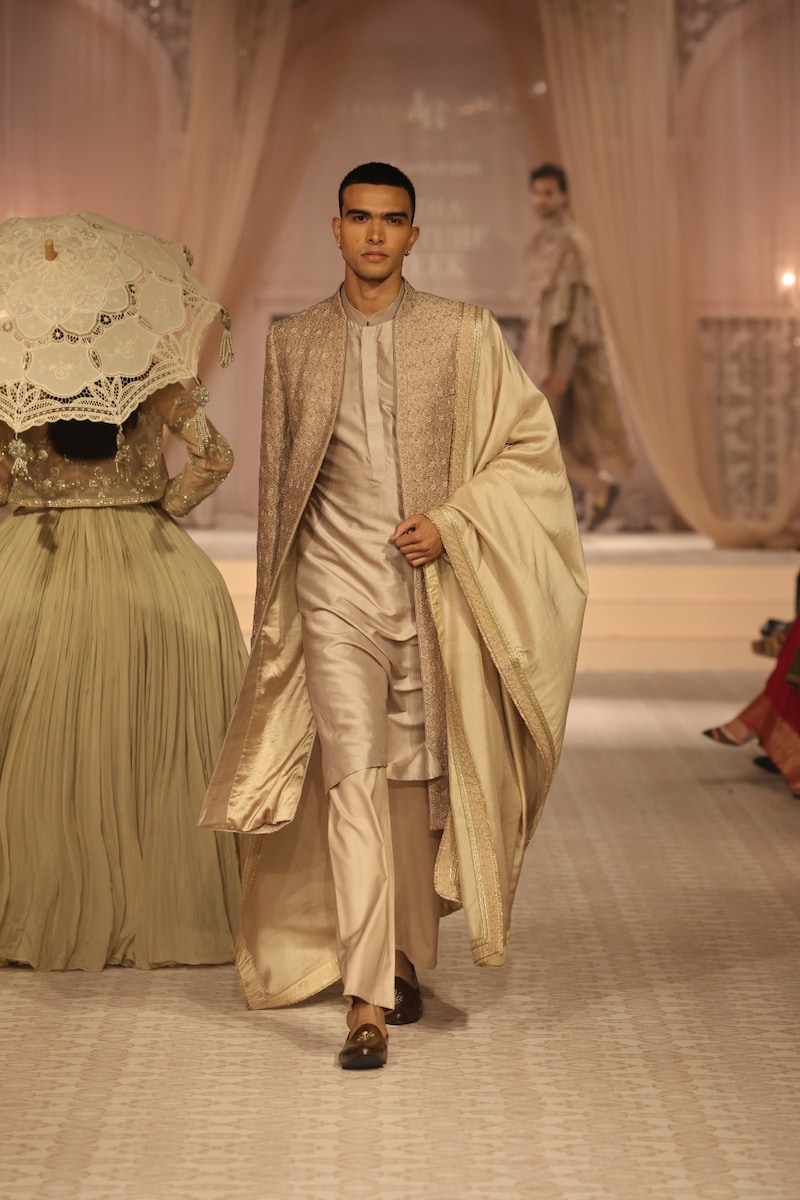
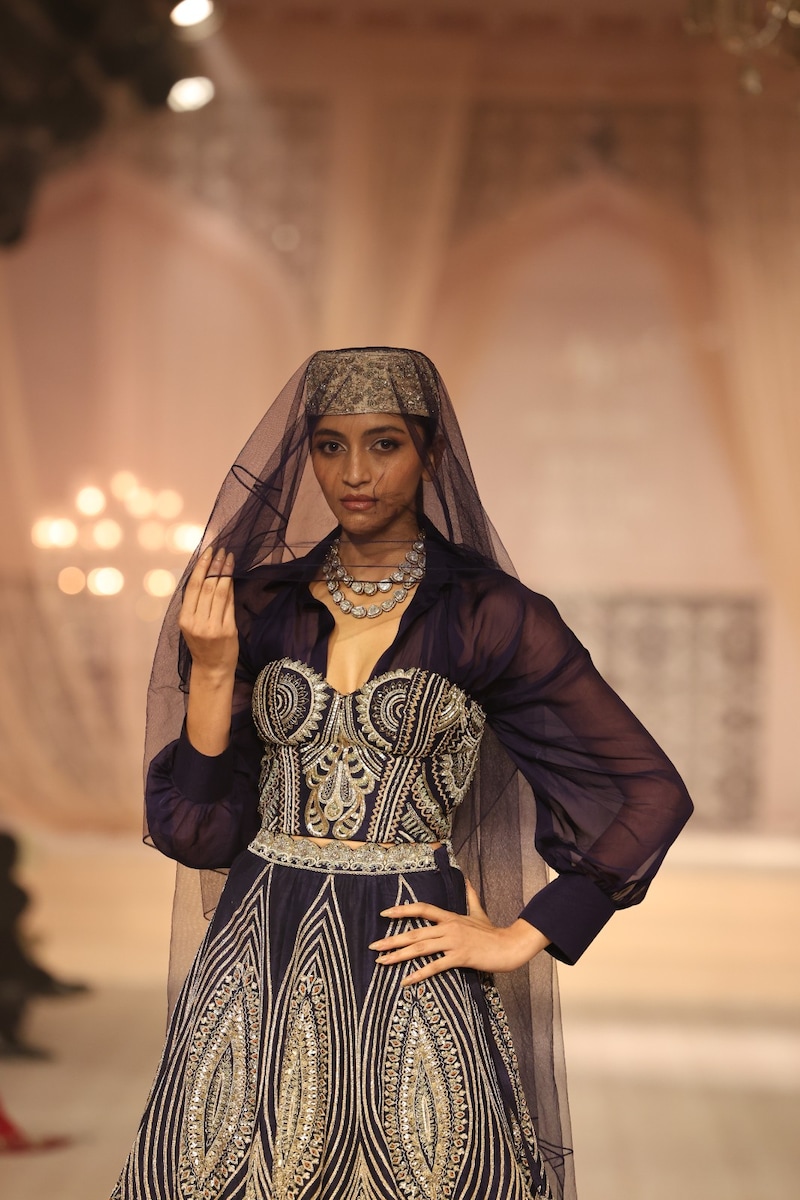
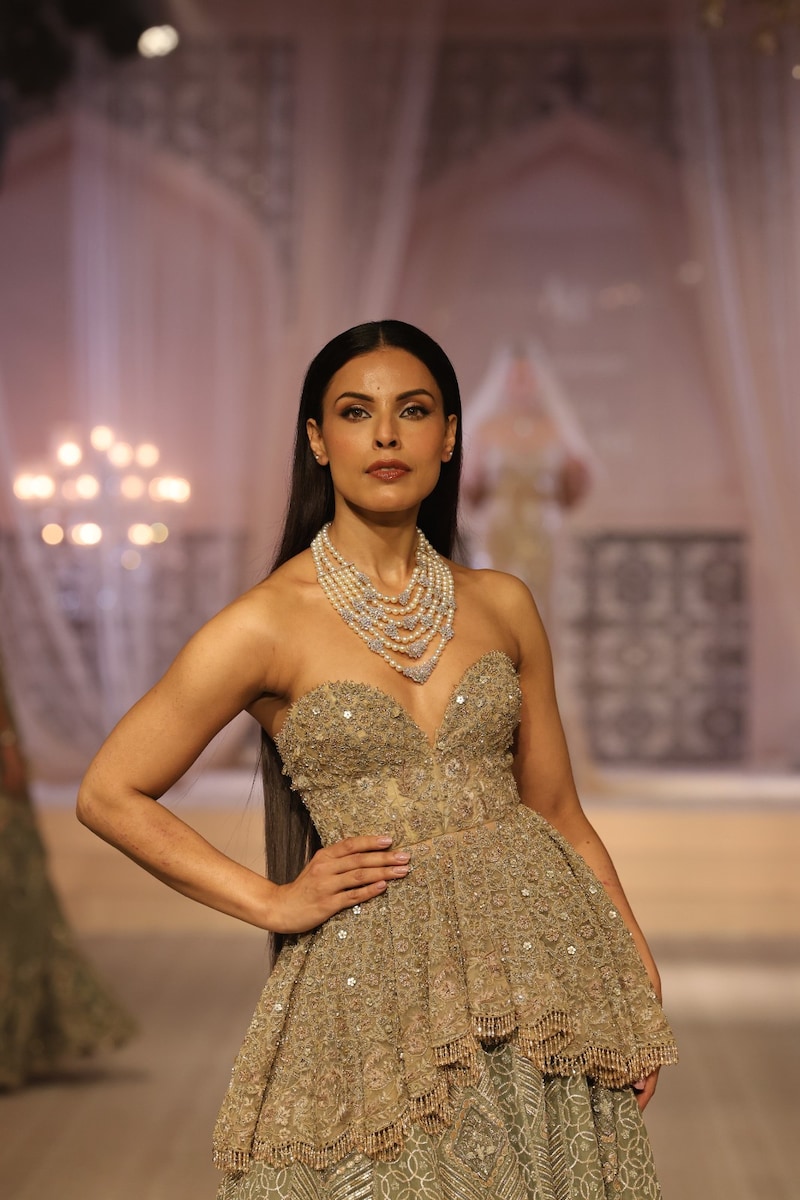
Growing up in Hyderabad, a city filled with architectural history, exquisite jewellery, and traditional textiles, Jayanti understood the city’s distinct aesthetic, giving her an instinct for design that took shape long before she could sketch a garment. Yet, as the label continues to evolve in a fast-paced industry, maintaining its core philosophy relies just as heavily on analytical instincts. “Coming from business meant I wasn’t looking at it only as a designer,” she explains. “I was always thinking about the brand, the customer, positioning, and whether something had longevity.”
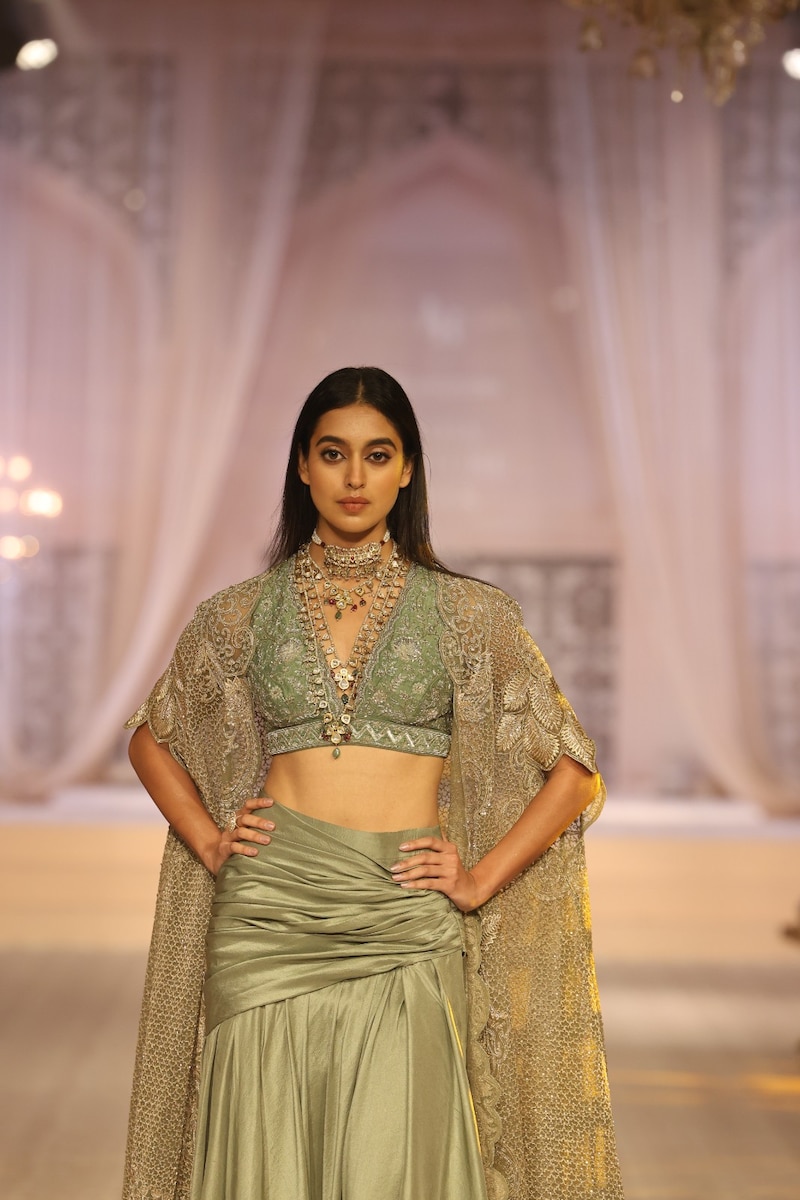
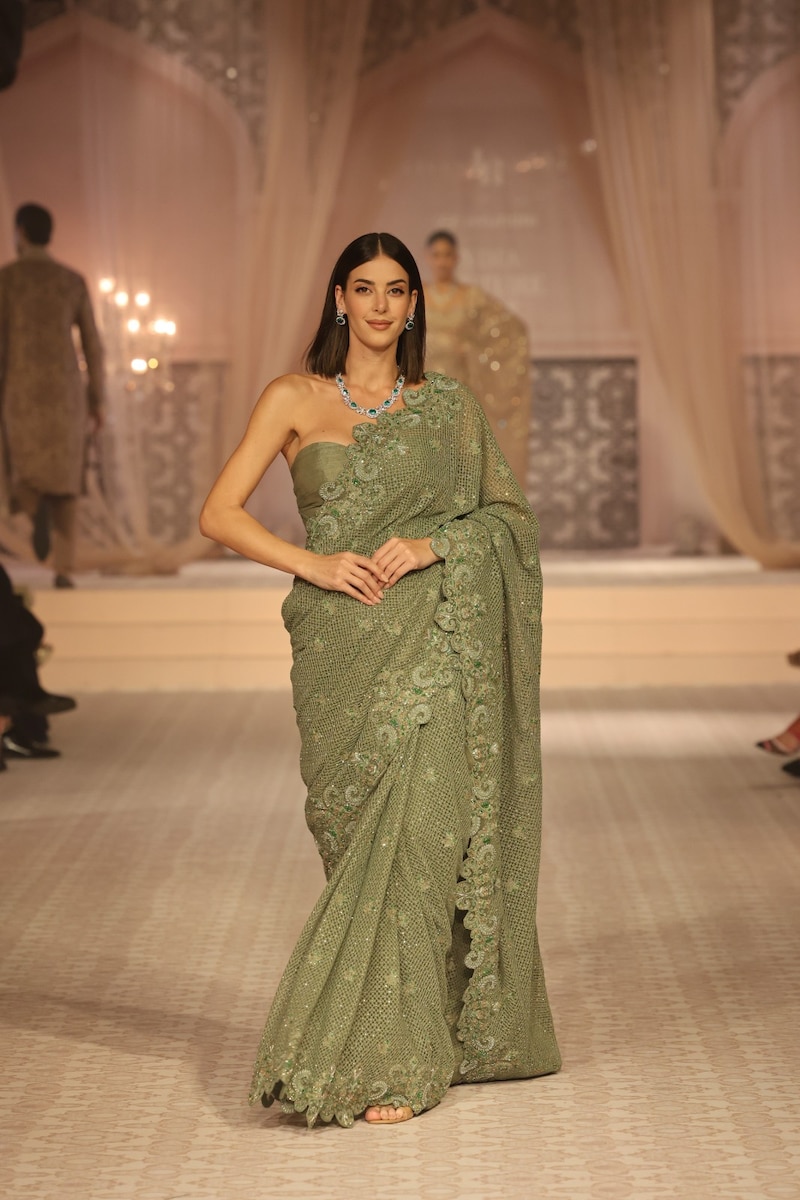
When the market became crowded with loud embellishments, Jayanti’s instinct for restraint set her apart. Moving ahead, she carved her own identity by modernising traditional zardozi. She elaborates, “Zardozi itself is incredibly beautiful and doesn’t need much help – the danger is when you keep adding to it. I like to give the embroidery space to breathe and let the craftsmanship speak for itself. We might use a very traditional technique, but put it on a much cleaner silhouette or use it in an unexpected way; sometimes you just need to change the context in which you see it.” Jayanti put this philosophy to test when reworking historical staples like the Hyderabadi Khada Dupatta. “I want someone to look at it and recognise the heritage, but still feel that it’s something they could wear today without feeling like they’re dressed in a costume.”
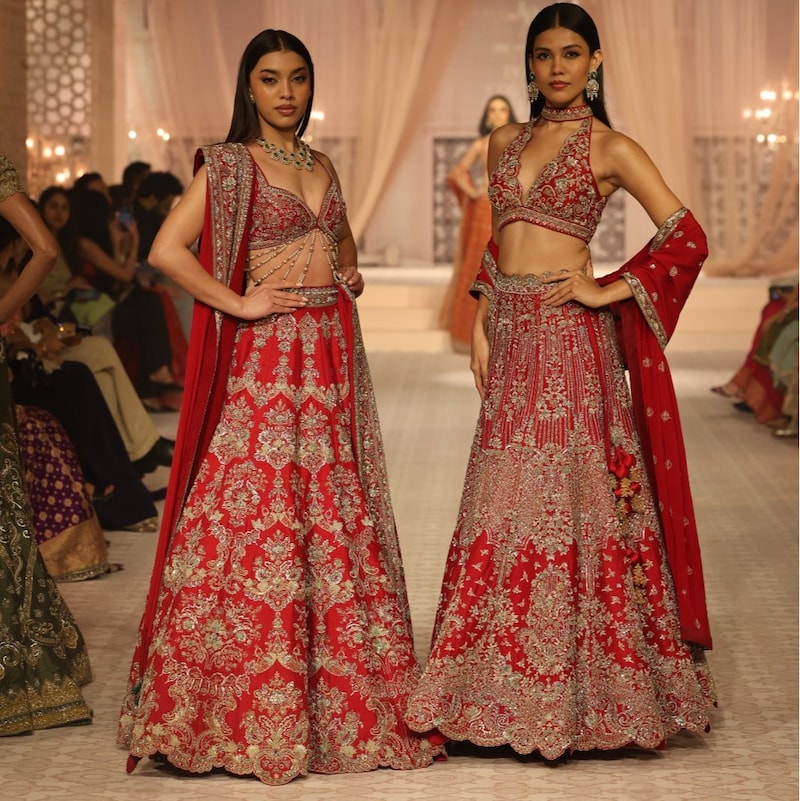
Jayanti’s balance between nostalgia and modernity came to life at Hyundai India Couture Week 2026 with her collection, Gilded Era. This particular lineup was built around a lighter, warmer colour palette, including gold, beige, and soft neutrals, along with starkly contrasting blacks and regal reds. “I’ve never really used black in this way before, and I liked what it did to the embroidery. Suddenly, the gold and metallic work had much more depth,” she expressed. While Jayanti’s approach to womenswear has always been defined by knowing what to leave out, expanding into structured menswear for Gilded Era demanded an even sharper edit. “With womenswear, you can have a lot happening through the silhouette, the drape, and the embroidery,” she explains. “With menswear, you have to be much more precise. I wanted the clothes to feel like the man was wearing them, rather than the clothes wearing him.”
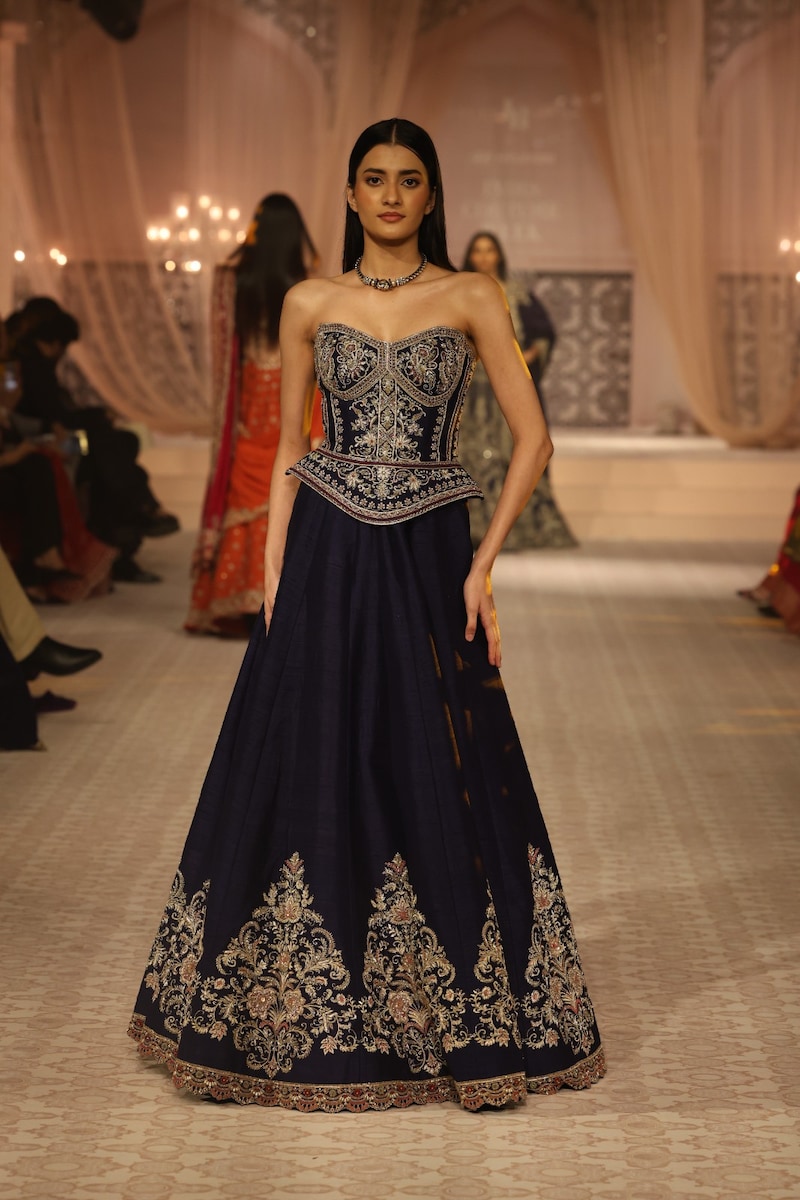
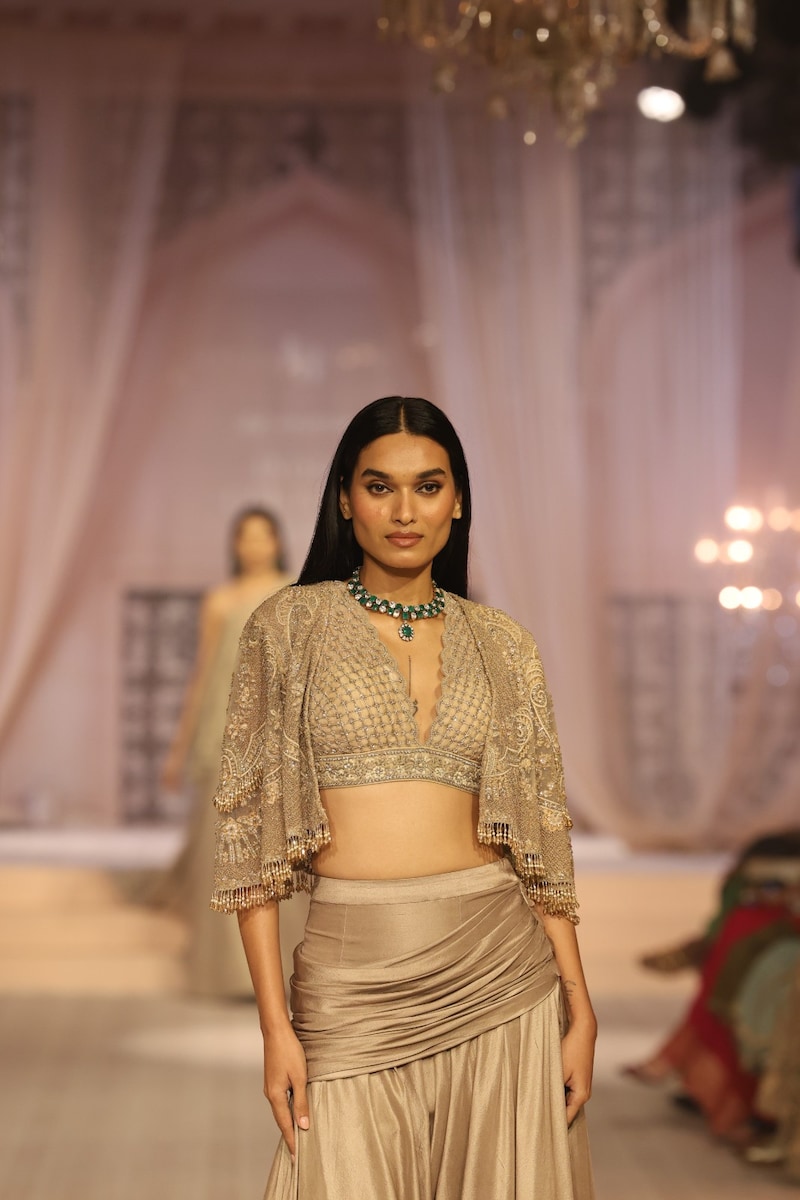
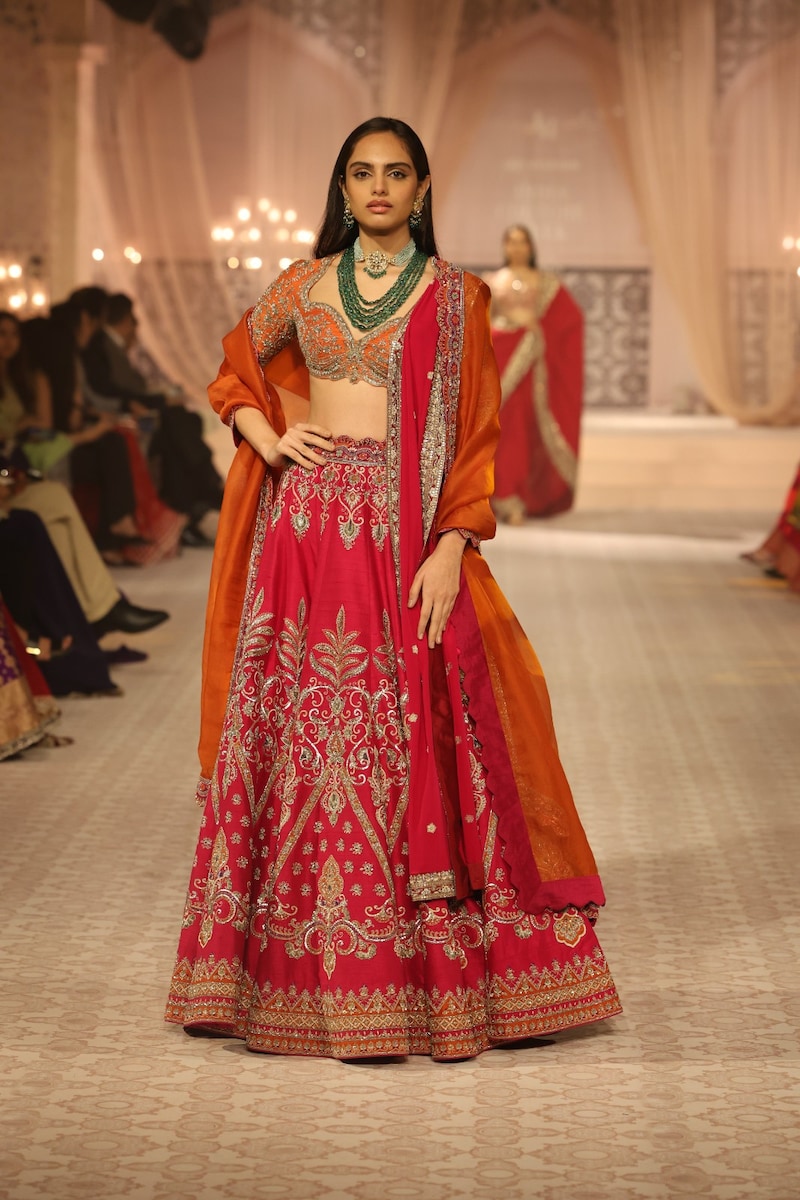
As the final look dissolved into the shadows of the runway, what lingered wasn’t just the memory of gilded zardozi, but a roadmap for where Indian couture goes next. For Jayanti, tradition is only meaningful if it fits naturally into today’s world. “Hyderabad, Nizami culture, our textiles, and our old techniques are all references for me – they’re not a template,” she reflects. “Ultimately, I think the greatest compliment is when something feels special enough to become an heirloom, but contemporary enough that you want to wear it now.”


