

Take the clock back to the ’90s and what emerges is a harmonised chaos of prints. Whether it was the bedsheet and pillow covers, your dining table linen, or a peek into your mother’s wardrobe, clashing patterns coexisted in a visual symphony. Loud florals collided with geometrics, stripes lived alongside dainty paisleys – a fearless layering that, even today, leaves a lingering taste of nostalgia.
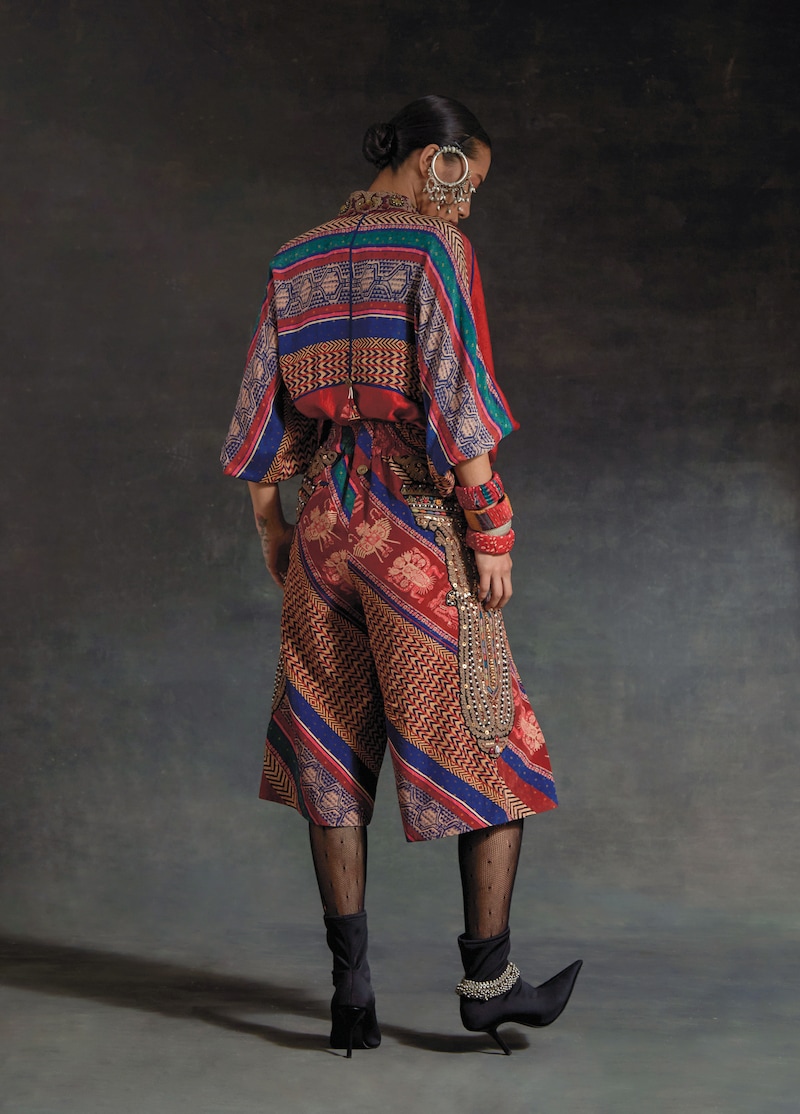
Prints pulse through Indian fashion like second skin. Maximalism runs through every crevice of the country’s visual language – expressed in high-contrast colour palettes, dense motifs, and abstract compositions. While much of the world veered towards restraint and simplicity, Indian design continued to embrace excess with an unmistakable ease.
Over the years, designers may have catered to those who prefer minimalist designs, but what they delivered was far from insipid. Indian fashion houses continued to push prints forward – sometimes softly, sometimes boldly, but never apologetically. While the mainstream flirted with normcore and neutral palettes, Indian fashion refused to shrink. Saree borders bloomed with oversized florals, lehengas layered intricate embellishments, and menswear experimented with graphic motifs and playful pattern clashes. The industry stayed loyal to its maximalist DNA.
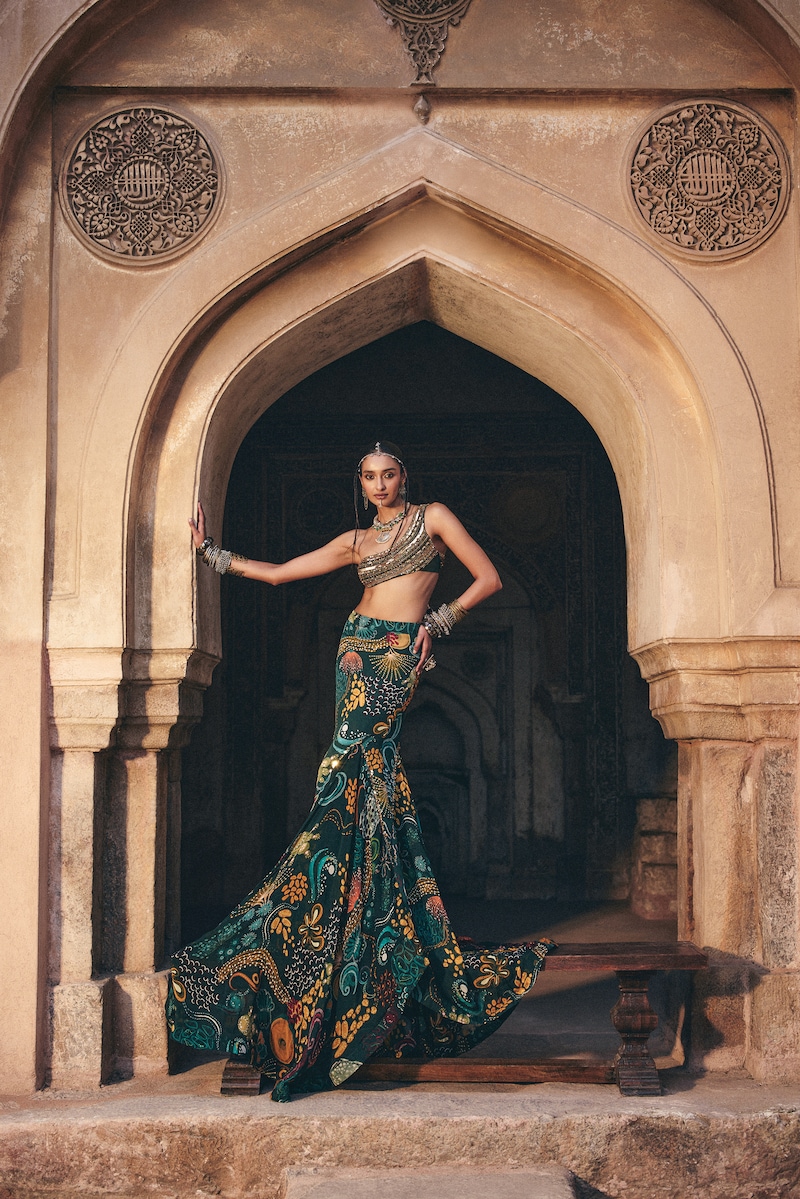
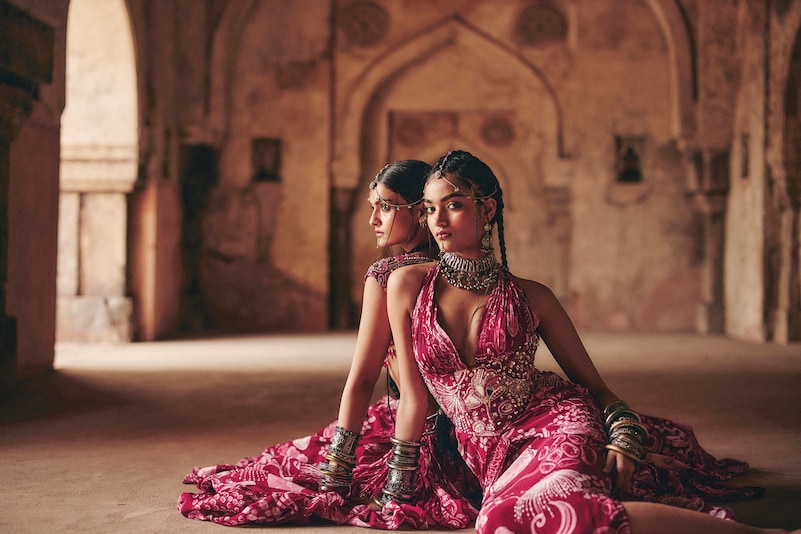
DiyaRajvvir
That instinct echoes even louder today, resurfacing in contemporary fashion, where prints once again feel not excessive, but instinctive. Fashion, much like life, began craving stimulation again. Prints answer that call with immediacy. They offer the burst of joy sitting inside a pop of colour, the visual high that comes from patterns unapologetically taking up space.
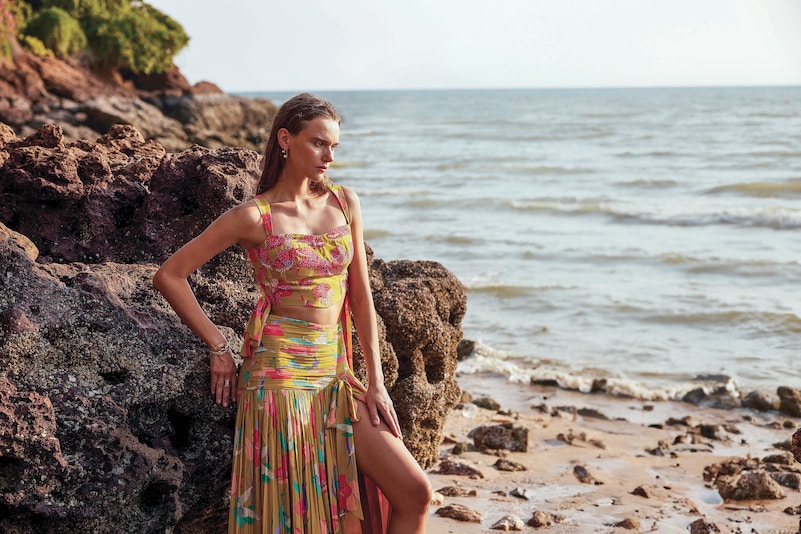
And then there are florals. Miranda Priestly may have famously dismissed them as far from groundbreaking, but fashion’s love affair with flowers has never truly waned. Fashion loves a flower, from Papa Don’t Preach by Shubhika’s unapologetically hard-to-miss motifs to Paulmi & Harsh’s lyrical patterns. Planting themselves firmly in fashion’s metaphorical garden, the Spring Summer ‘26 runway across the globe captured style connoisseurs’ long-standing infatuation with florals. From 16th-century chintz revivals to Victorian-era blooms, botanical motifs continue to bring back the romance in fashion after years of austerity and rationing.
Frequently resurfacing across runways, red carpets, and real wardrobes alike is animal print. Having gone through endless trend cycles, this once-raucous print has now comfortably settled into everyday closets as an instinctive staple, feeling more current than referential, appearing in striking silhouettes, slinky dresses, footwear, and accessories that treat leopard and zebra as neutrals rather than novelties.
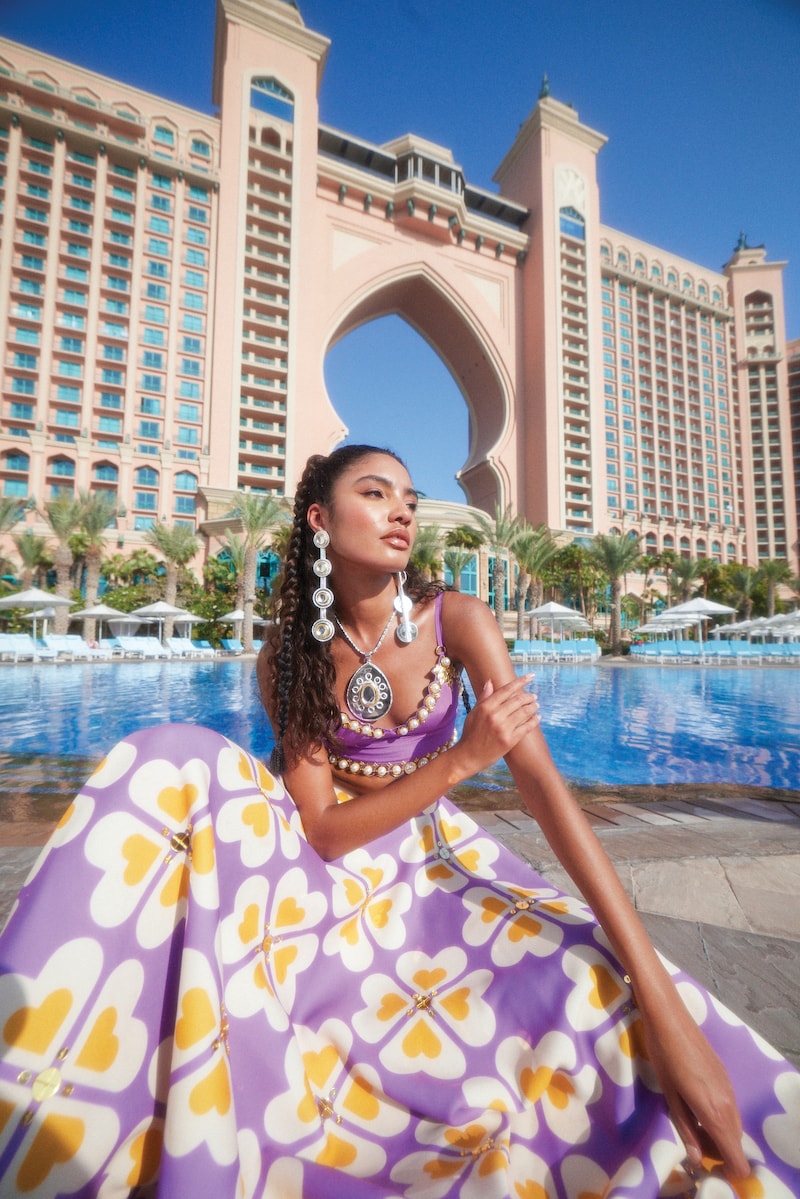
Papa Don’t Preach by Shubhika 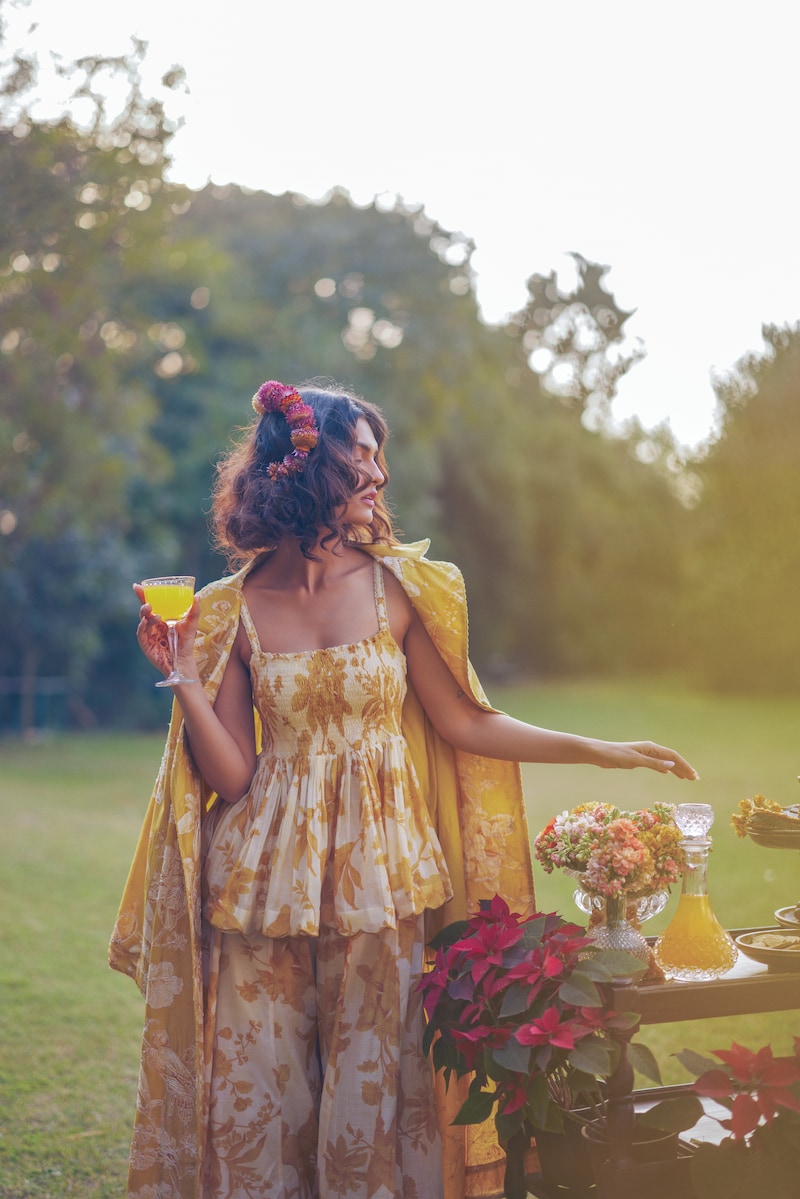
Paulmi & Harsh
Beyond the wardrobe, prints are reclaiming our living spaces, too. They surface in character-rich vintage wallpapers that wrap walls in memory, in cushions that feel delightfully out of place yet somehow entirely right, and in carpets patterned like ’90s posters. Blooming motifs carry with them a deep-rooted nostalgia – the kind tethered to the homes we grew up in – where bedsheets, curtains, and sofa covers were unapologetically dressed in chintzy florals, woven into the everyday.
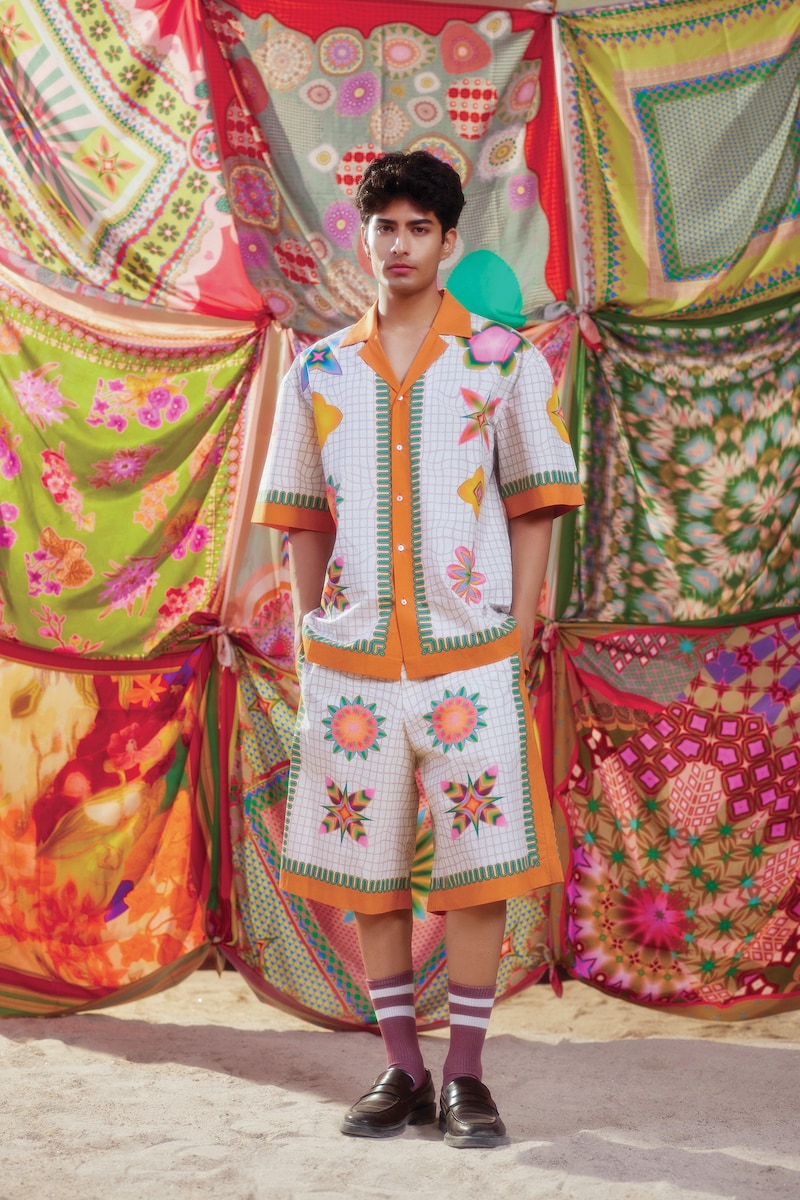
Siddhartha Bansal 
Siddhartha Bansal
The “comeback” of ebullient prints isn’t a fleeting trend cycle, but a homecoming for the newer generations. Prints are reclaiming their place not as statement accents, but as second nature. A return to maximalism, then, is only a return to our roots – an instinctive gravitation towards a local visual vernacular that has always celebrated abundance over austerity.
There’s comfort in seeing fashion circle back to the same exuberant aesthetics so many of us grew up with. In their chaos, colour, and character, prints remind us that maximalism was never excess – it is nostalgia wrapped in memory, identity, and joy.
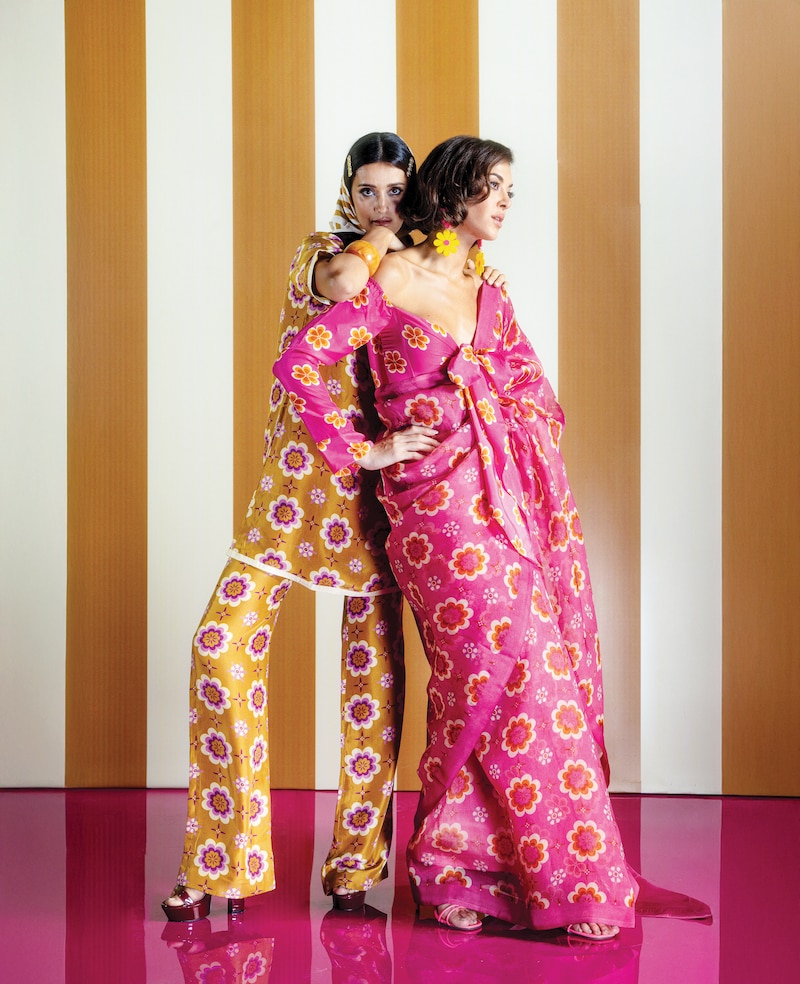
Ekaya


A solid choice for anyone looking for a reliable gaming spot. Everything works as it should and the rewards are great. phbetpk44
The variety of games here is insane. I spent all weekend exploring different slots and the bonuses are actually decent. Definitely giving bddk77 another go tomorrow.
Solid platform with great security. I feel safe depositing my funds here and the withdrawal process is quick. Give br1pra1 a shot.
Best place for those who love big wins and great bonuses. The customer support is actually helpful and responds quickly. Give bdjuya777 a try!