

With four generations of carpet-making woven into his family history, Yashovardhan Sharma grew up in Jaipur determined to forge a path of his own. To a teenager eager for personal expression, the family carpet business didn’t feel like an artistic playground; it was just the background noise of shipping paperwork, payment tracking, and container loads handled over noisy office phones. Wanting a fresh canvas, he moved to Mumbai to study industrial product design and began building a career on his own terms. London was meant to be his next big creative chapter, until the sudden stillness of 2020 froze global travel, cancelled his plans, and brought him back to his home in Jaipur.
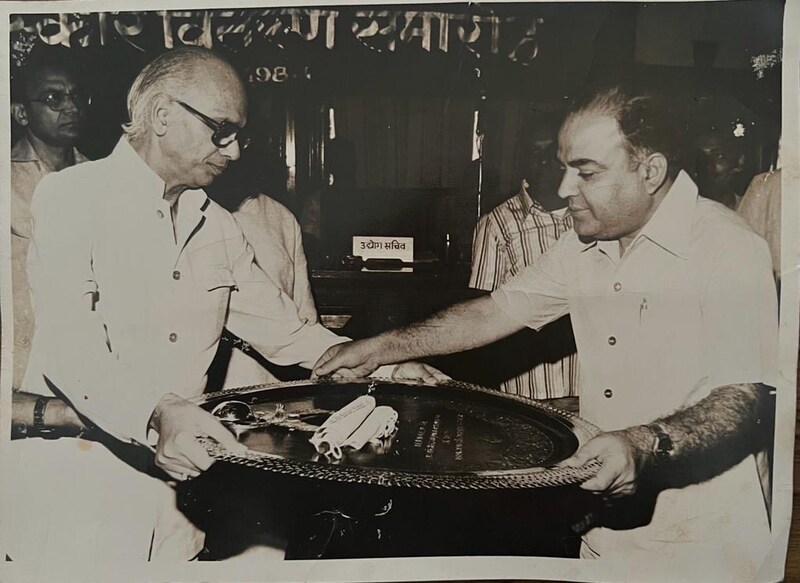
That sudden pause led to a subtle revelation. “I empathised with myself only to understand that the first thing I put my feet on when I wake up is a carpet my grandfather wove,” he recalls. “Each motif with a meaning, each knot a precise act of craft, each rug a story. All of it, my legacy.”
“My inheritance is the ability to use a craft as a form of expression, to recite poetry about people, cities, and experiences through fine jewellery.”
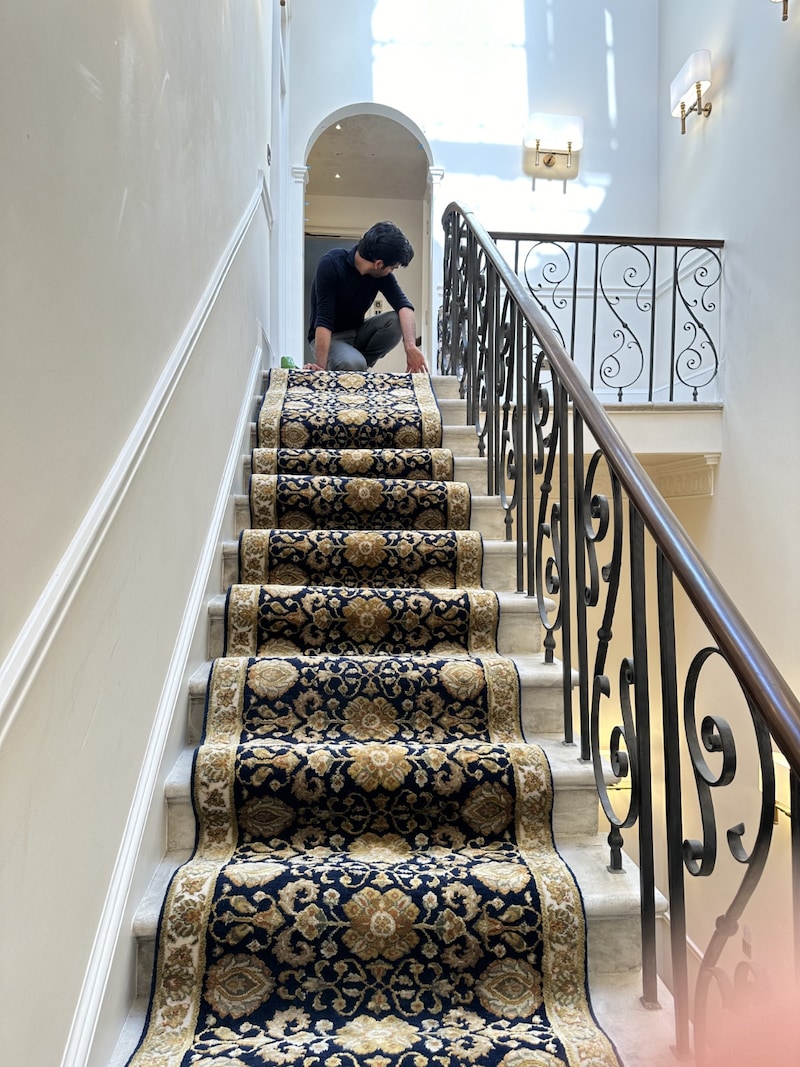
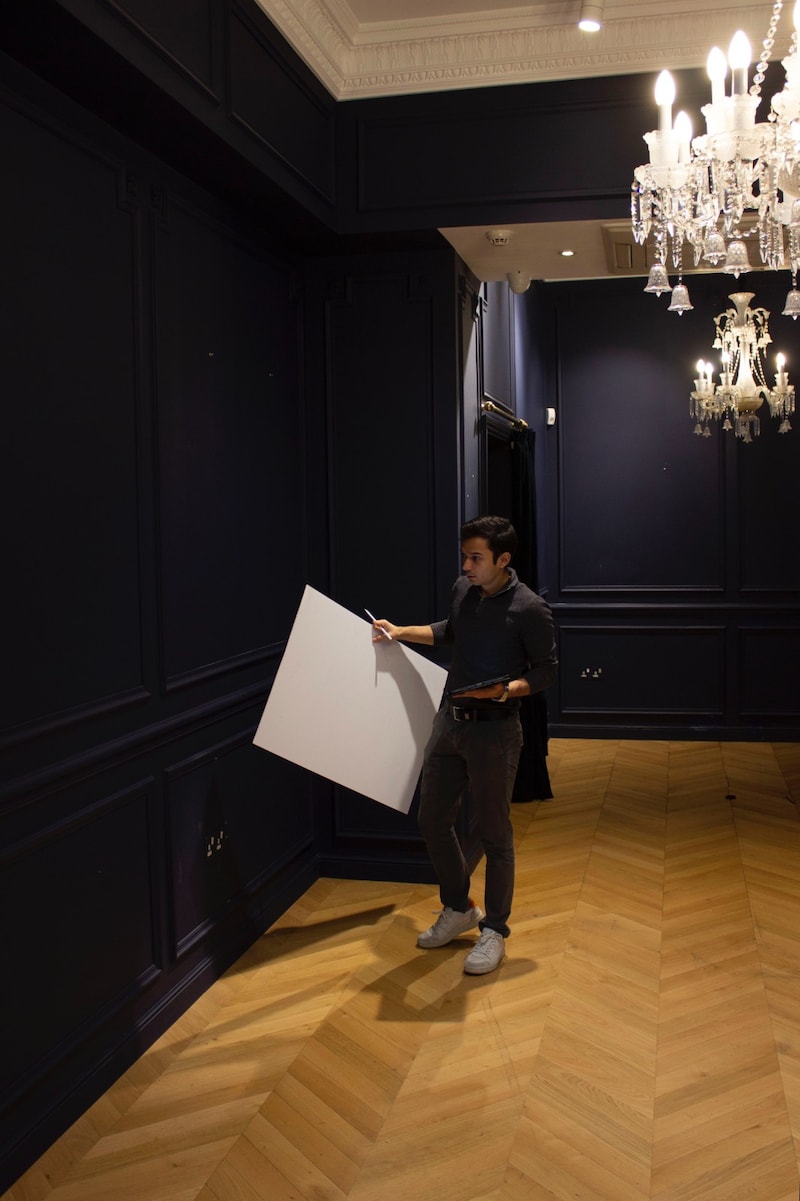
Reconnecting with his family’s craft changed how he approached design entirely. Armed with this restored appreciation for heritage, he began taking on high-profile interior projects, only to stumble into an entirely new artistic obsession. The spark that ignited his leap from textiles to high jewellery happened inside a Central London residence. While creating a silk rug titled Glistening, a client made an extraordinary request: to stud twelve carats of brilliant diamonds directly into the woven fabric. Handling those raw stones in a Central London studio sparked a revelation. He realised how iconic European heritage houses had built their names on Indian treasures commissioned by Maharajas, while India’s own narrative had taken a backseat. Determined to reclaim that story, he moved to Surat in 2023 and launched The House of Surat Jewels, blending rich heritage and artisanal craft with contemporary design.

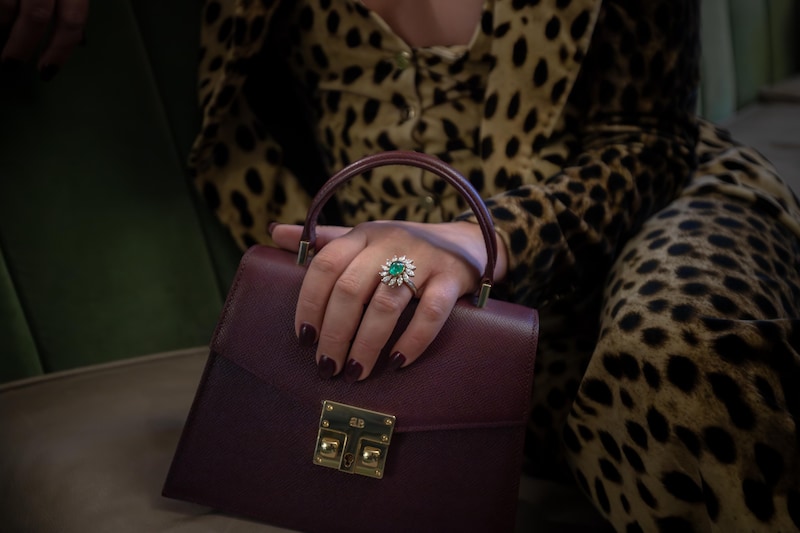
Rather than treating legacy as a museum piece, he stepped into the industry to challenge its rigid boundaries. “The word ‘contemporary’ simply means ‘right now,'” he explains. “We strive to preserve the abilities of a craft and the enabling of artisans; however, we push the boundaries by altering the perspective that changes the context of a creation.”
“The world of timeless pieces will never be affected by trends – trends are like noisy neighbours who come and go.”
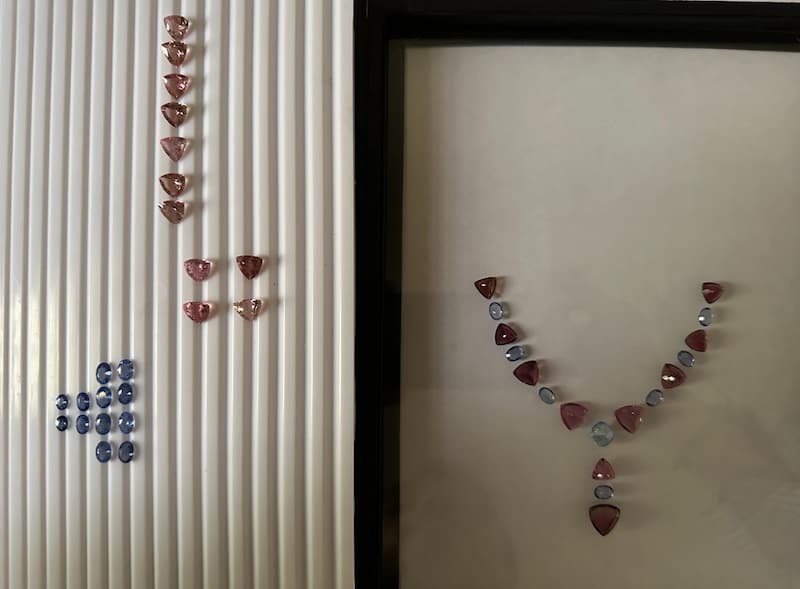
Today, operating strictly by appointment, Yashovardhan approaches jewellery like emotional architecture. When a young bride reached out before her wedding with a rough outline of a Lily of the Valley, her strongest memory of her mother, he transformed the flower into a gold and gemstone heirloom. “I feel my role is to connect a piece of the earth to another, a human to a gemstone,” he says.
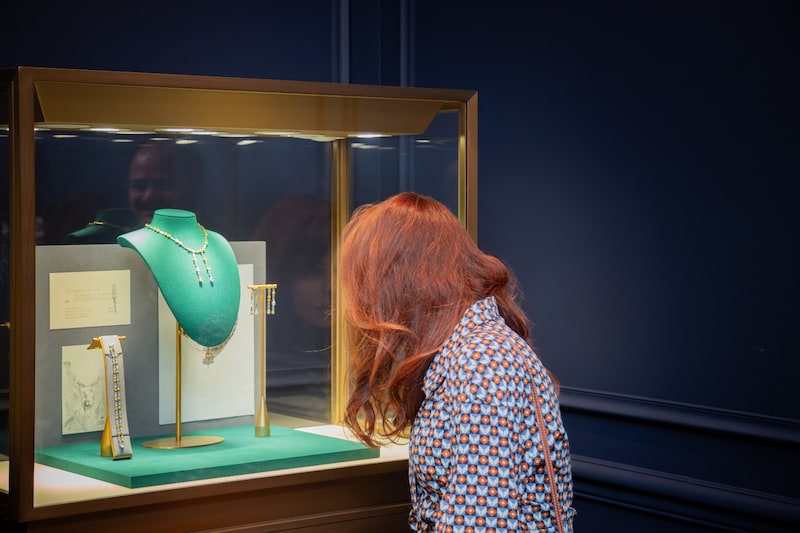
“The luxury world isn’t just about beautiful pieces – it is about building relationships, sharing personal stories, and exchanging true value.”
That personal philosophy has also positioned the house at the centre of a massive cultural shift: the revival of men’s fine jewellery in India, which now makes up six out of every ten bespoke commissions he takes on. Looking back, his path through Mumbai, London, and Surat was never a detour away from his roots. It was the exact path needed to find his own voice within them. “I take great pride in owning the legacy with my father, who has paved through thick and thin a passage for my voice to be heard,” he reflects.
What he once viewed as an inheritance to move beyond has become the foundation of his creative identity, shaping a design philosophy where heritage and personal evolution seamlessly coexist.


Finally found an APK that actually works without any glitches. The installation was a breeze and it runs perfectly on my phone. Love juan365apk
Thanks for this information, very useful content.
Great insights here, appreciate the detailed write-up. https://www.doujin-pc.org/
Helpful stuff, bookmarked for https://www.34anime.com/ later. Thanks!
Really helpful post, thanks for sharing this with https://javhappy.site/tag/%E0%B8%AB%E0%B8%99%E0%B8%B1%E0%B8%87%E0%B9%82%E0%B8%9B%E0%B9%8A%E0%B8%8B%E0%B8%B1%E0%B8%9A%E0%B9%84%E0%B8%97%E0%B8%A2/ us.
The VIP rewards here are actually worth it. I felt like a high roller from the moment I signed up. Check out 42vipphcasino for a premium experience.
Hey folks! I recently found a helpful resource and figured I’d share it here. Check it out — https://pixelzephyr.shop/. Curious what you all think
Found this platform through a friend and I am hooked already. The interface is super clean and the live dealer tables run without any lag. Deposits and withdrawals are handled in record time. Give it a try at fun8899
Finally found a safe and direct link to get the app. Installation was a breeze and it works perfectly on my phone. Get it via gperyaappdownload.
Greetings! I came across something worth checking out and figured I’d post it for you. Feel free to explore — https://pixelzephyr.shop/. Would love your feedback
Interesting read! Thinking about bankroll management & game selection really highlights the skill involved. Accessing platforms like jl7777 download requires a strategic approach too, beyond just luck. Solid analysis!