

Art has a way of finding its place in our lives long before we consider owning it. We encounter it in museums, galleries, books and cultural spaces, often forming connections with works and artists that stay with us long after. Yet, the experience of collecting art has traditionally remained somewhat removed from everyday life, shaped by perceptions of exclusivity, accessibility and affordability. What would it take to change that?
For Rakhi Sarkar, Director and Curator of CIMA Gallery, these questions have informed decades of work within India’s art ecosystem. Her approach to art has extended beyond curating exhibitions to creating platforms that bring artists and audiences closer, encourage meaningful engagement and make the country’s artistic heritage more accessible. Through CIMA (Centre of International Modern Art), founded in Kolkata in 1993, Sarkar has consistently worked towards building a more inclusive and informed culture around modern and contemporary Indian art.
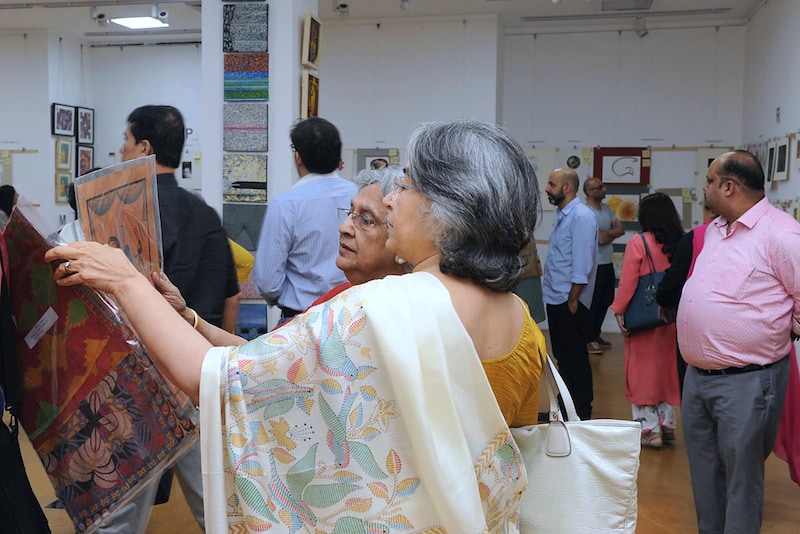
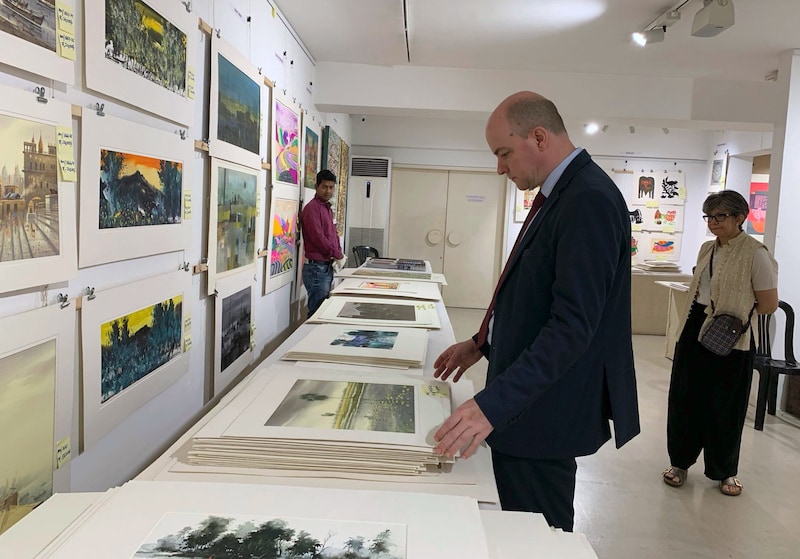
“The single aim of CIMA Art Mela is to democratise art and help bring high-quality, authentic art by some of India’s most significant artists, alongside the finest emerging talents, into hundreds of homes of art lovers, including the young, at prices that they could actually afford,” Sarkar explains.
An important aspect of this vision is the opportunity it creates for young artists. Through its triennial CIMA Art Awards, the institution identifies and recognises emerging talent across the country. Art Mela then takes this recognition a step further, connecting selected artists with the art market and potential collectors. “Art Mela affords the emerging artists who are selected through our triennial project, CIMA Awards, to gain visibility and access to the art market,” she says. With the event widely publicised and purchases handled through a transparent, meticulously managed process, the initiative aims to make this transition more accessible.

ASHOKE MULLICK 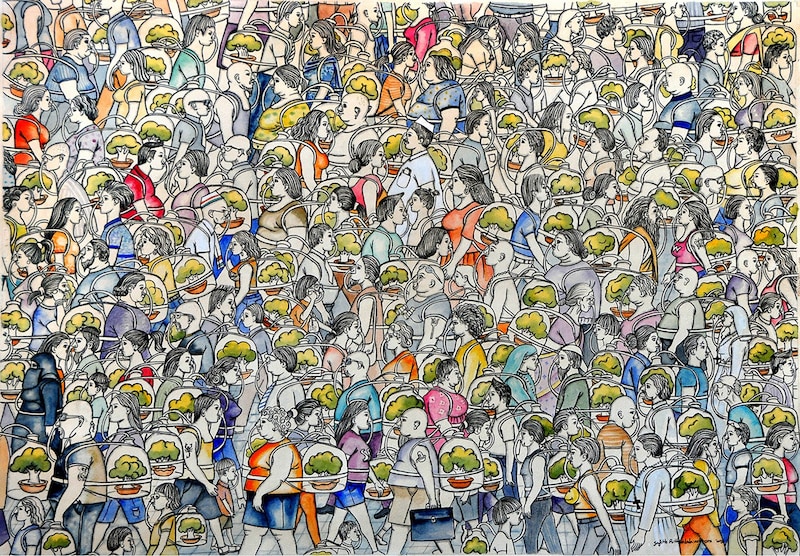
SAJITH PUTHUKKALAVATTOM
For Sarkar, making art accessible is only one part of a much larger cultural responsibility. Her ambitions for CIMA extend to documenting, preserving, and deepening understanding of India’s modern and contemporary art history. “CIMA hopes to provide comprehensive historicity to the modern and contemporary phase of Indian art, beginning from the 20th century to contemporary times,” she shares. “Our other aim is to help create a congenial ecosystem in India to sustain and promote fine art through exhibitions, publications, educational programmes and discussions”, she adds.
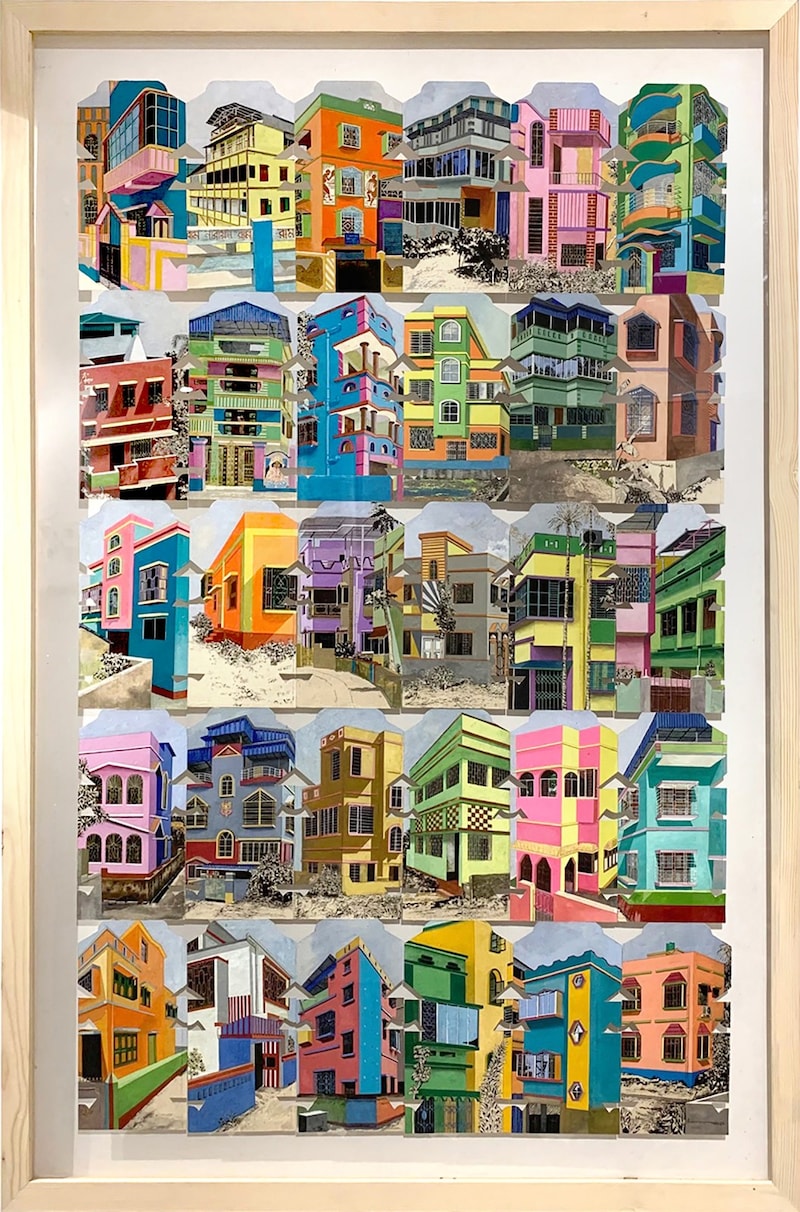
ANKAN BANDYOPADHYAY 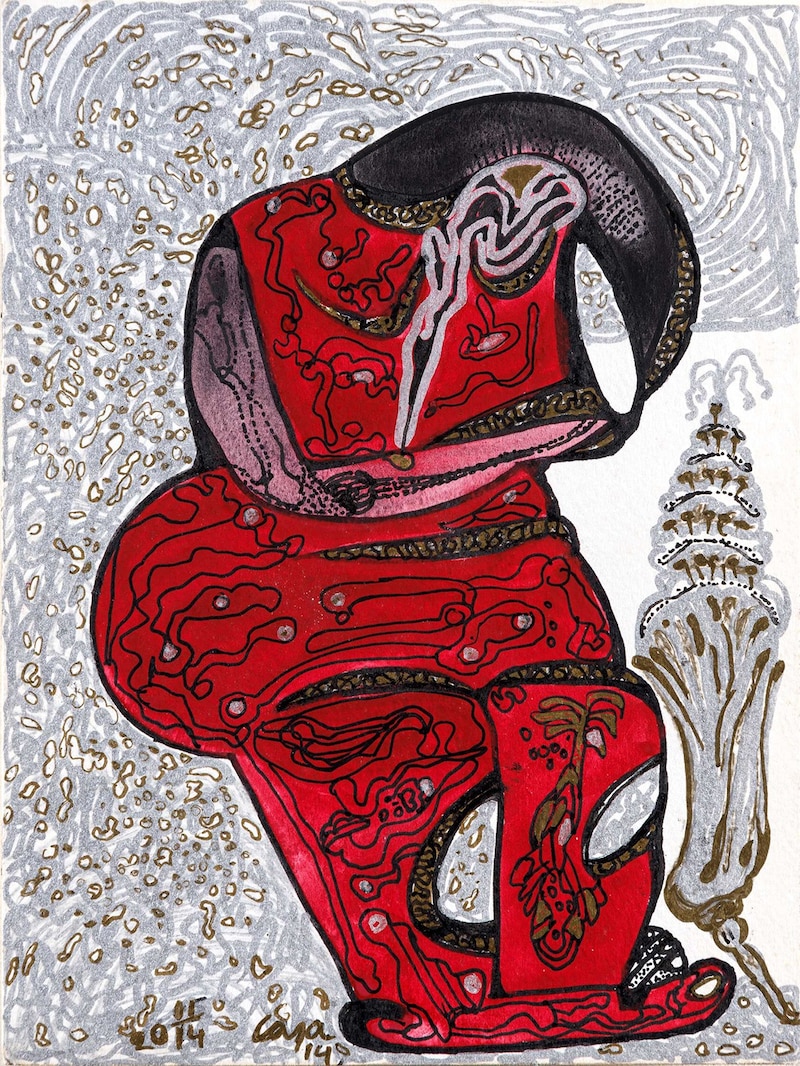
JAYA GANGULY
It is this larger vision that continues to shape Sarkar’s work: creating meaningful opportunities for artists, encouraging new audiences to become collectors and ensuring that India’s artistic legacy is not only preserved but actively engaged with. Through CIMA and Art Mela, she is building towards a future where art finds a place in more homes, conversations, and everyday lives.


