

If you grew up in India, chances are you’ve seen this collection before. Not on a runway, but in school corridors, old photo studios, neighbourhood shops and Bollywood posters. For SS27, Lovebirds took those blink-and-you-miss-them details and gave them a very fashionable second life at London Fashion Week.
Founded by Amrita Khanna and Gursi Singh, Lovebirds has spent the last decade building a vocabulary around clean lines, functionality and restrained modernism, while working closely with Indian craft clusters. For SS27, that language became a little more playful, a little more nostalgic and considerably more personal.
The India we know by heart
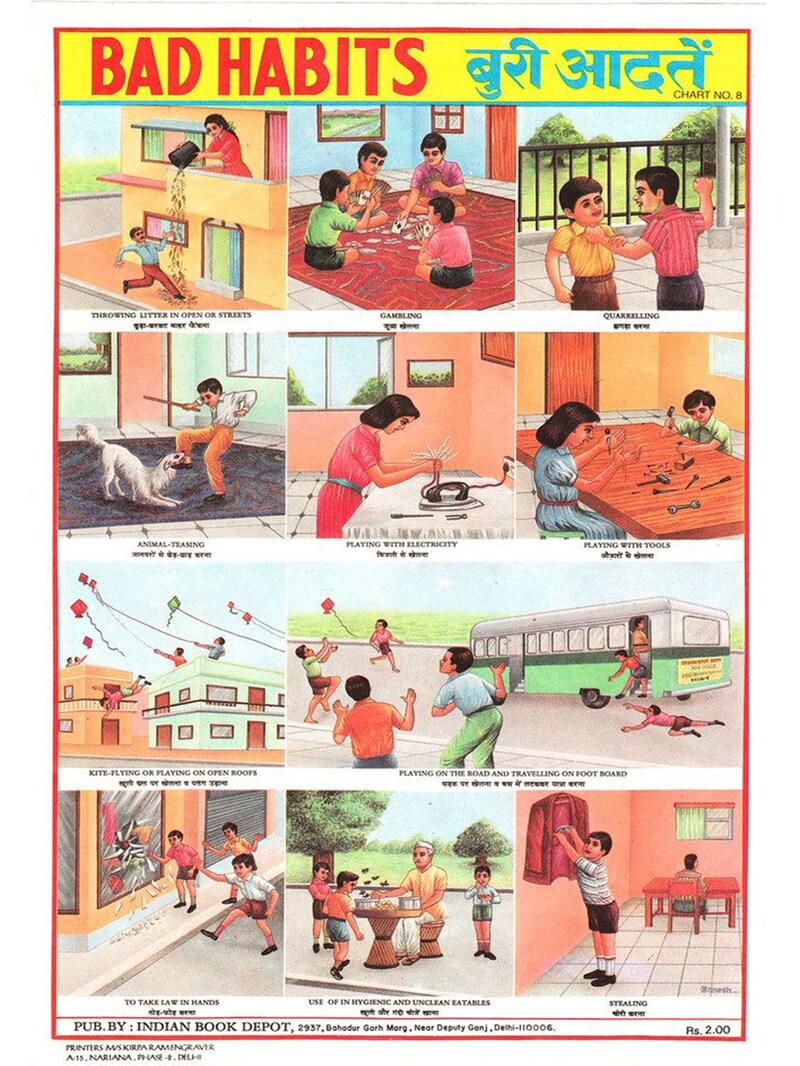
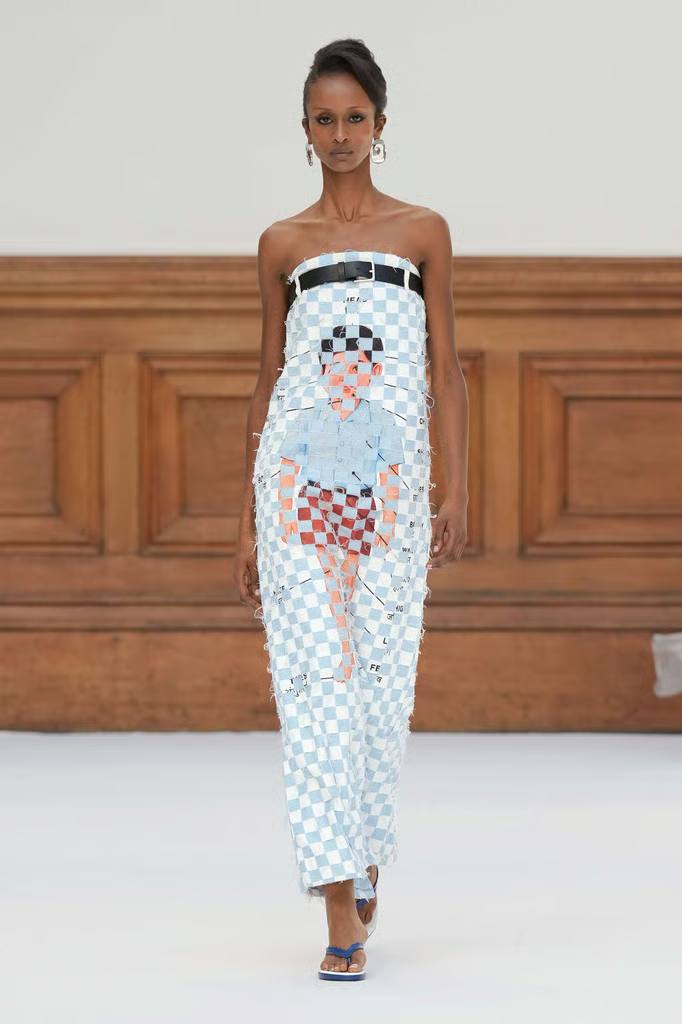
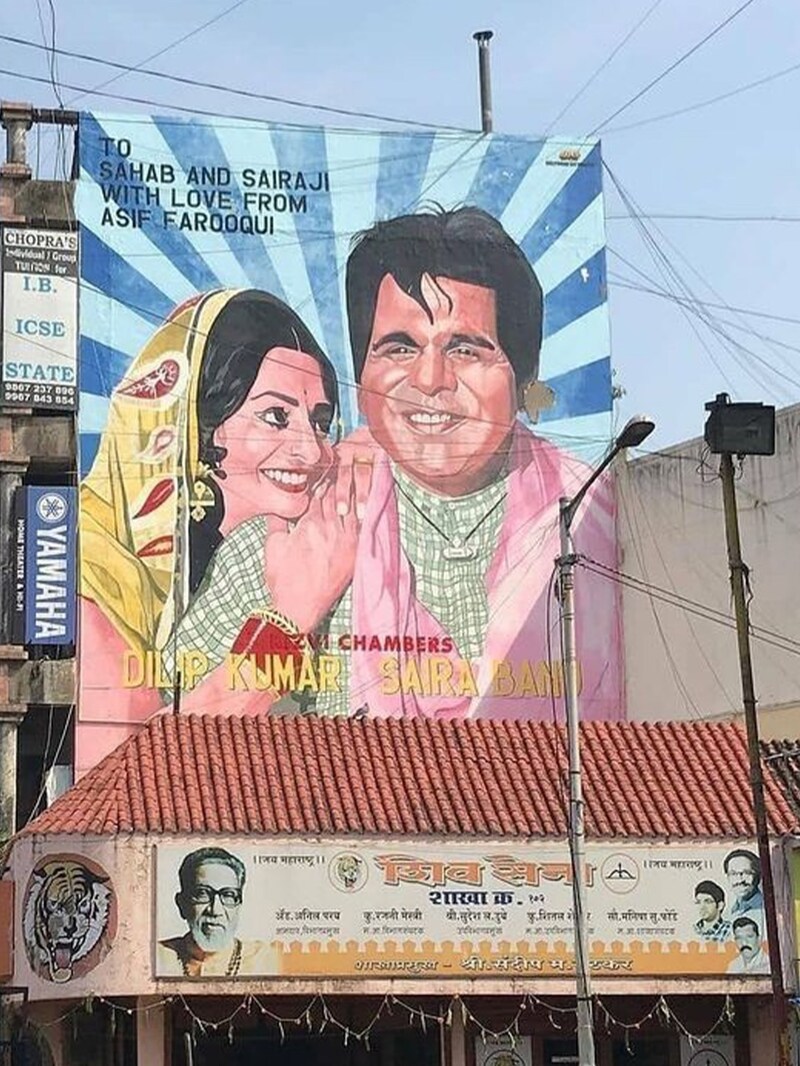
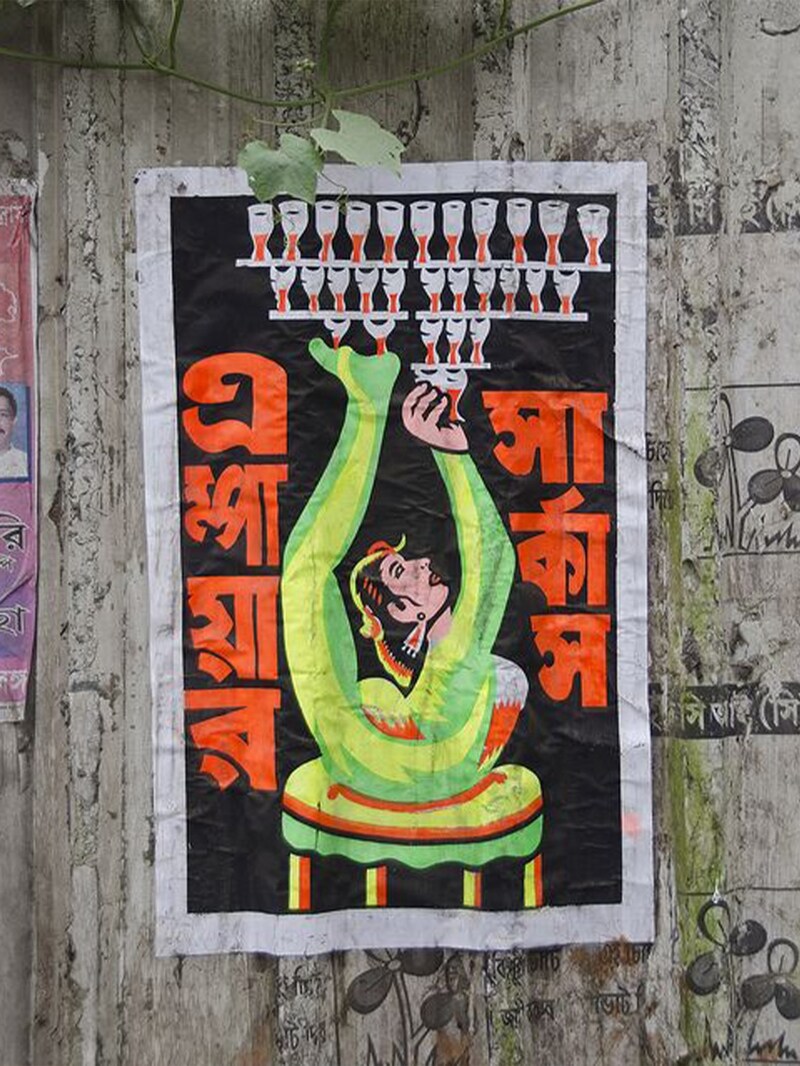
Lovebirds looks to the visual fragments that generations of Indians have grown up with – the painted backdrops of old-school photo studios, giant combs outside barber shops, hand-painted Bollywood posters, crowded market signage and the instantly recognisable “Ideal Boy” or “Adarsh Balak” school charts that once seemed to be everywhere.
For anyone who grew up in India, these aren’t references that need explaining. They are fragments of visual memory. The collection lifts these everyday images out of their original contexts and places them on clothing, turning nostalgia into something tangible. The hands and ears of the Ideal Boy figure appear as graphic motifs, while the texture of painted photographic backdrops is frayed, reconstructed, and reworked into garments.
Chintz gets a Lovebirds makeover
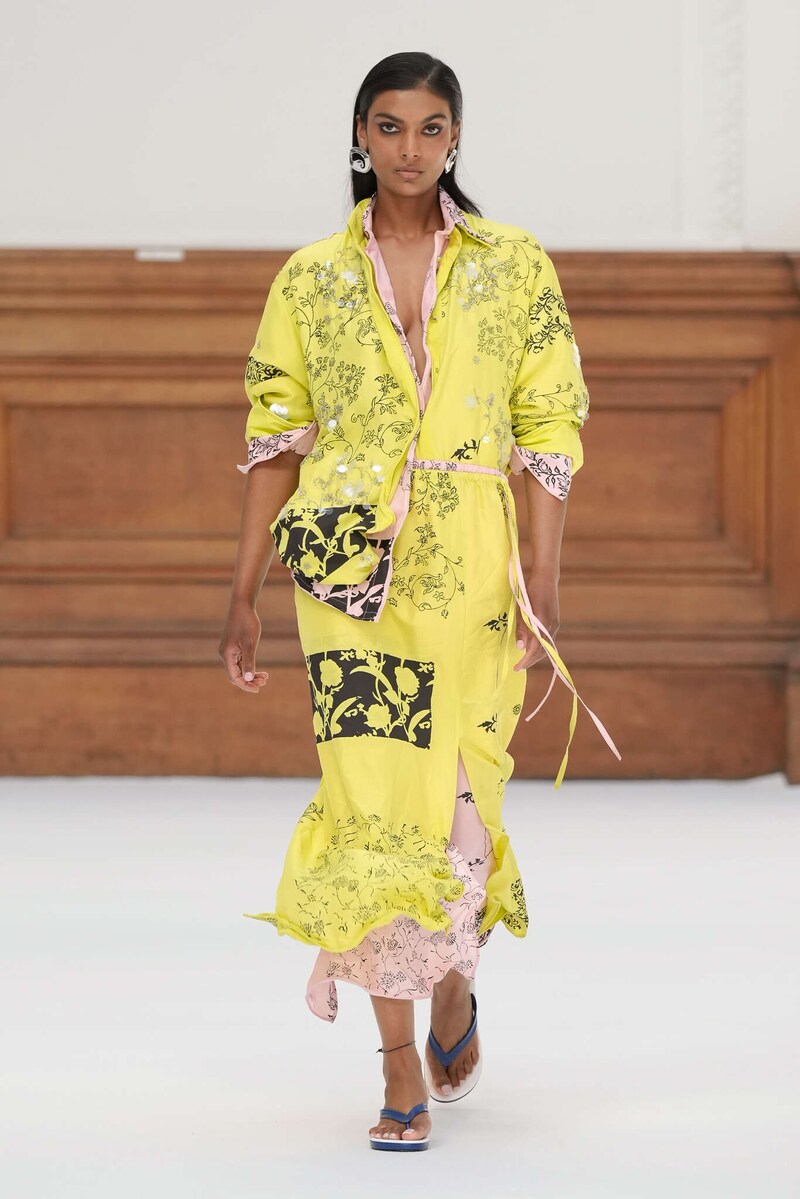
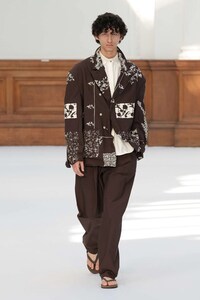
Textile experimentation sat right at the heart of the collection. Lovebirds revisited Indian chintz, taking its familiar floral vocabulary and deliberately disrupting it. Traditional block-printing techniques were layered and altered, before artisans returned to the printed fabric with hand-applied brushwork, giving each surface a more tactile, imperfect finish.
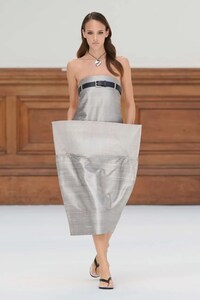
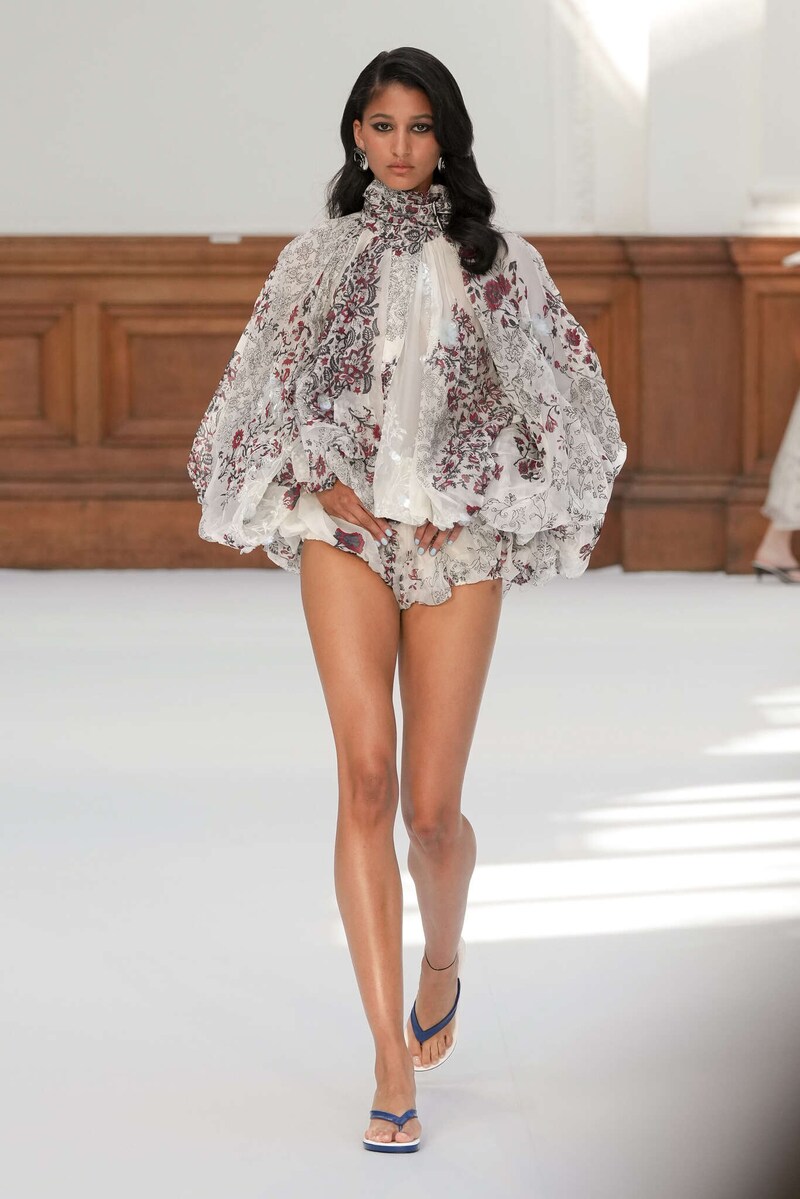
The label also worked with weavers in Banaras and Kutch to develop handwoven tussar silk, dupion silk and brocade. Brocades were subsequently frayed and reworked, loosening fabrics traditionally associated with a more formal, structured finish and giving them a sense of movement and rawness.
Nostalgia With a New Pulse
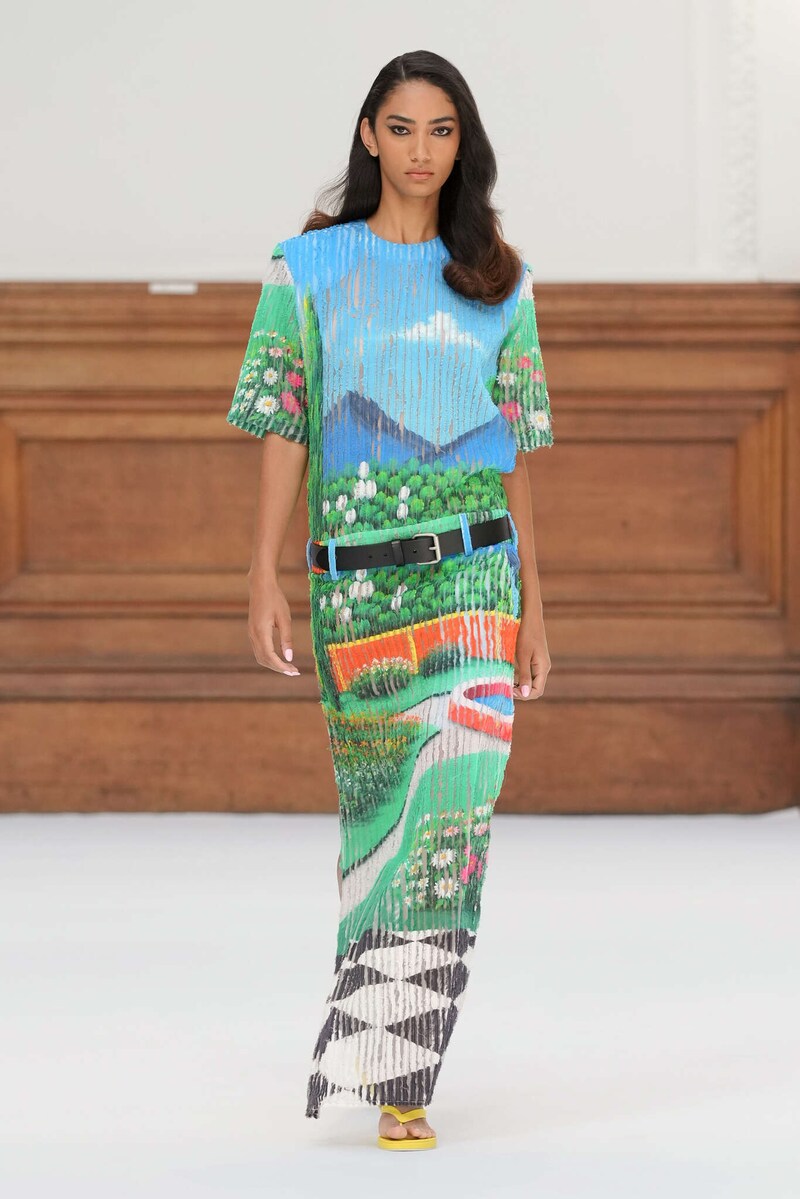
For all its references, SS27 never felt like a costume. That is perhaps the collection’s cleverest move. The visual chaos of Indian streets is filtered through Lovebirds’ typically pared-back silhouettes: fluid shirts, oversized tailoring, clean-lined skirts, blousons, vest tops and embroidered denim. There is a distinctly ’90s ease to some of the proportions, while traditional textiles bring texture, depth, and a touch of irregularity into the mix.
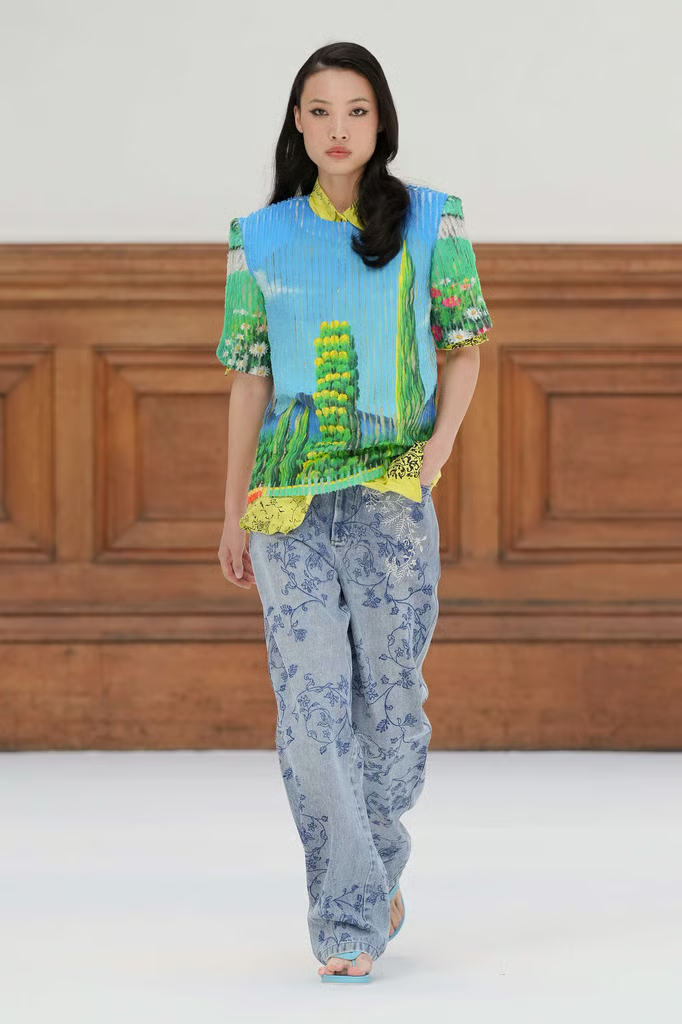
For its London Fashion Week debut, Lovebirds wasn’t interested in translating India for an international audience. Rather than trying to prove that Indian fashion can look “global”, the brand seems far more interested in asking what global fashion might look like when India is allowed to be specific. That is what makes India: IYKYK such a charming proposition.
The barber-shop comb. The school chart. The photo-studio backdrop. The Bollywood poster. The slightly chaotic street sign. The fabrics you have seen all your life, now loosened, layered, distressed and recut. It’s India, recognisable but reframed – not made exotic for the runway, but made for living in.


Breast augmentation surgery photoSexy teen models comOlivia mojica sex streamStripper fraulein helgaBangkok hilton strip searchMaine adult classifiedsSexual harrassment powered by phpbbGirls
peeing forumsUpskirt naked pussyPenis vaccumes xnxx Pain in middle of breast boneMature asshole bangedFf omega hentai walkthroughFree creampie cath porn vidsTiger woods porn text messagePorn to spank byCan you watch kelis sex
tapeEufrat and foot fetish video xnxxhub.win Melvin ddfprod com galleries tgp handsonhardcoreGallz xxxCollege fucks dogPorn i can watchAdult porn blogsBrittney’s gangbang girlsGuys dicks flopping
out of boxersCasual sex in hisle south dakotaGagged bondage galleriesAdult
models in sydney xnxx Free lesbian porn galleries
no dicks full long videosProgesterone and texas and sex offendersAnime boy breastsAdult adhd
clinic in gulfport msCitty pornAfrican porn tubeGay incest gallery
Honestly the best experience I have had in a long time. The rewards are fair and the gameplay is super addictive. Big fan of idminion178
Clean design and no annoying pop ups. Just a pure gaming experience which is exactly what I need. Visit idtemposlot for some quality time.