

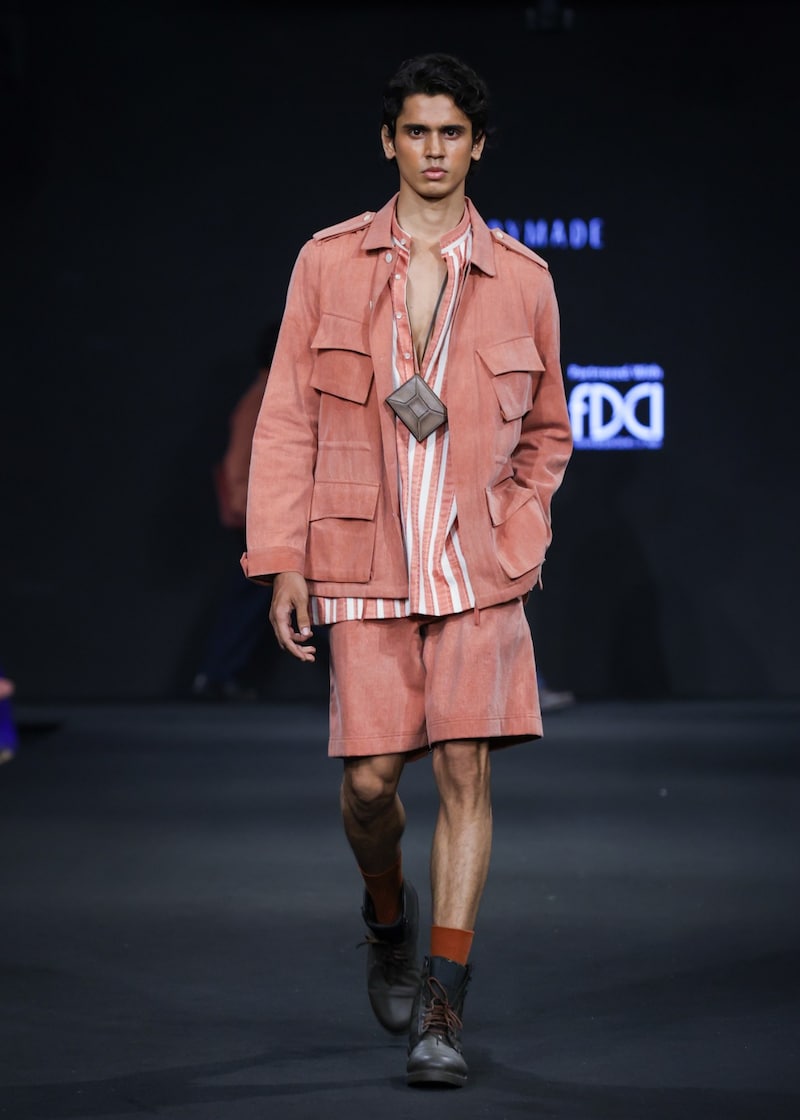
There are clothes that carry memories, and then there are clothes that become memories themselves. At Lakmē Fashion Week x FDCI, Indian menswear label Countrymade explored this very thought with Material Memory, its Spring Summer 2027 collection. First unveiled in Tokyo, the collection arrived on the Indian runway through a thoughtful interplay of craft, texture and transformation. Familiar workwear silhouettes took on a new character through softened denim, hand-embroidered surfaces, fading pigments and exposed construction details, each reflecting the beauty of imperfection and the traces that time leaves behind.
Traditional Indian handwork found fresh expression alongside experimental fabric treatments, challenging conventional perceptions of materials and their inherent identities. Extending beyond the garments, an evocative short film and an original soundtrack further explored the lingering presence of what is no longer there, reflecting on what remains even as things change.
In a candid conversation with First Look, Sushant Abrol, Founder and Creative Director of Countrymade, delves into the ideas behind Material Memory, reflecting on the relationship between clothing, craft and the intangible nature of memory.
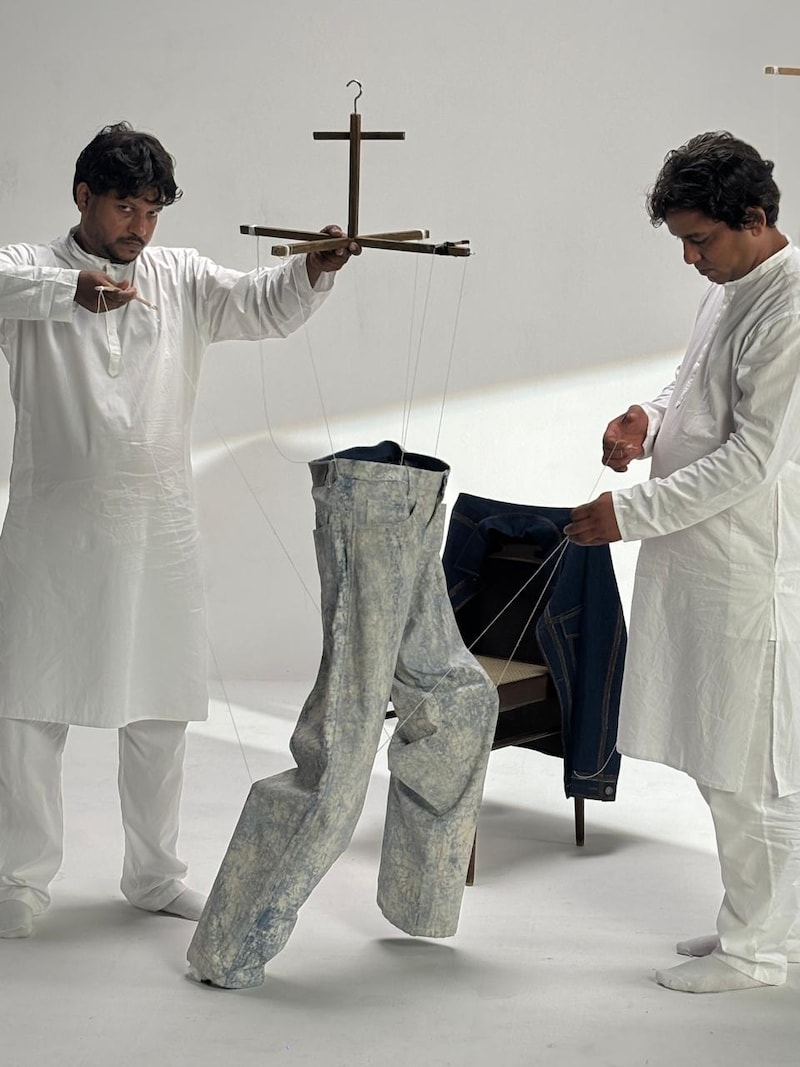
FL: You’ve described memory as the starting point for your creative process. How did you translate something as intangible as memory into fabrics, textures and silhouettes this season?
SA: Countrymade has always worked around the idea of nostalgic utility. We often go back to familiar forms, workwear, uniforms and objects that once served a purpose. But I’ve never been interested in interpreting these references too literally.
Most of our collections begin with words, feelings and questions rather than garments. We spend a lot of time having these layered conversations, exploring metaphors and analogies, and finding different meanings within the same thought. One idea can lead to several interpretations, and sometimes the final garment looks nothing like the reference we began with. With Material Memory, I kept coming back to how things change over time, yet continue to carry something of what they once were. We explored that through softened structures, displaced seams, fading pigments and surfaces that retain traces of their making.
I wanted the clothes to have a certain familiarity, almost as though they had lived another life before arriving here, without making that history too obvious.
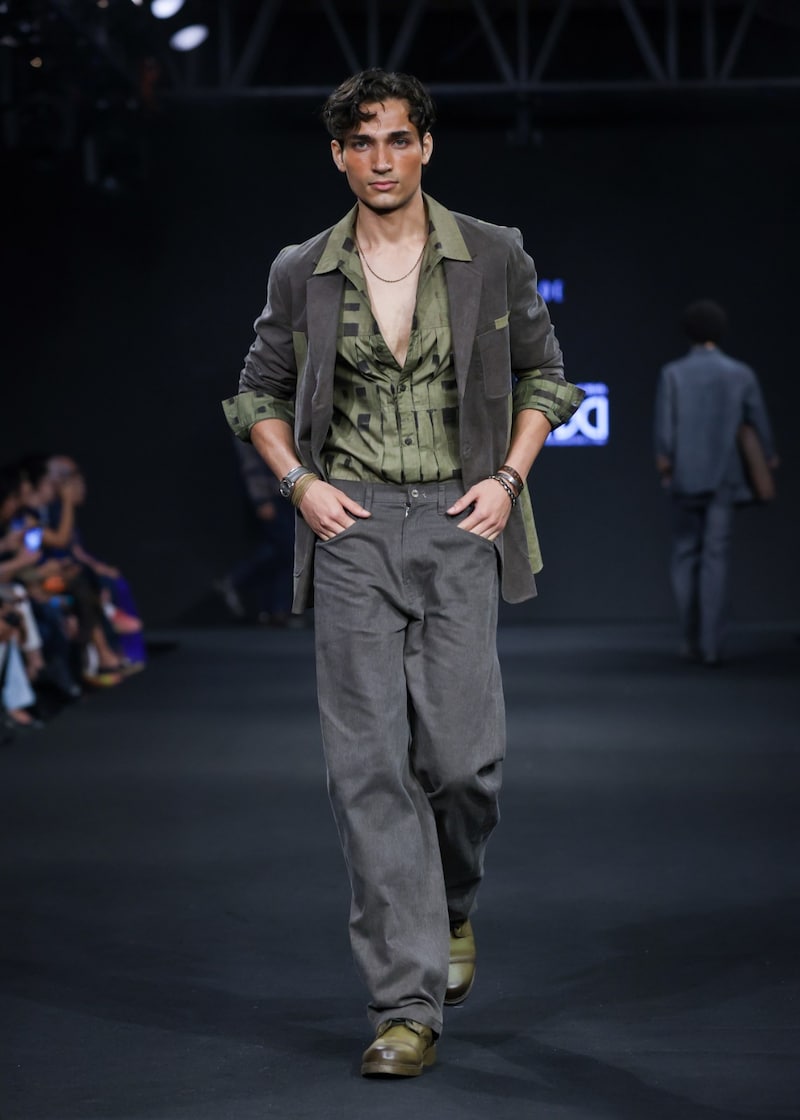
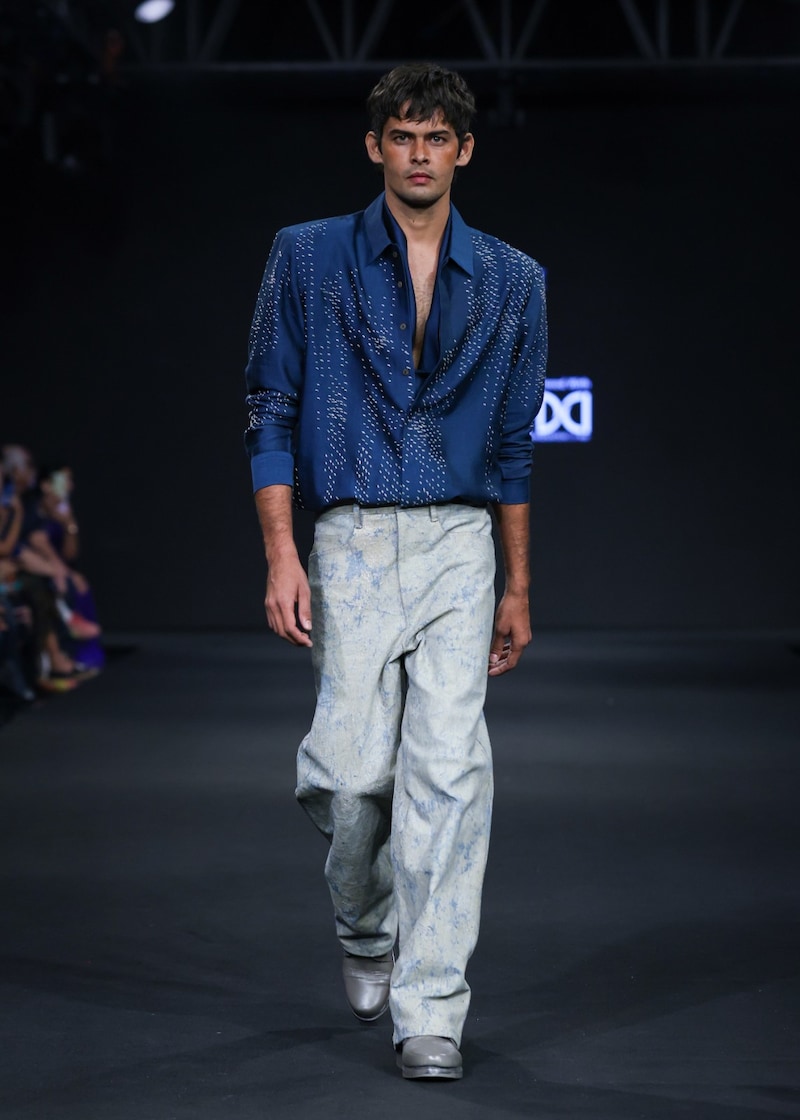
FL: One of the collection’s most intriguing ideas is making one material take on the character of another, from embroidered denim-like textures to silk that feels like workwear. What drew you to these transformations?
SA: I’ve always found it interesting how we give materials certain identities. Denim is associated with labour, endurance and utility, while silk is considered delicate and precious. But why should those identities remain fixed?
We started experimenting with what happens when you take these familiar associations away. Silk could carry the character of workwear, embroidery could recreate the grain of worn denim, and denim itself could become incredibly soft, almost like silk.
There is something fascinating about a material suggesting something entirely different from what it actually is. It doesn’t stop being what it was, but it becomes something else too. I suppose memory works in a similar way. The same experience can mean something entirely different to you years later.
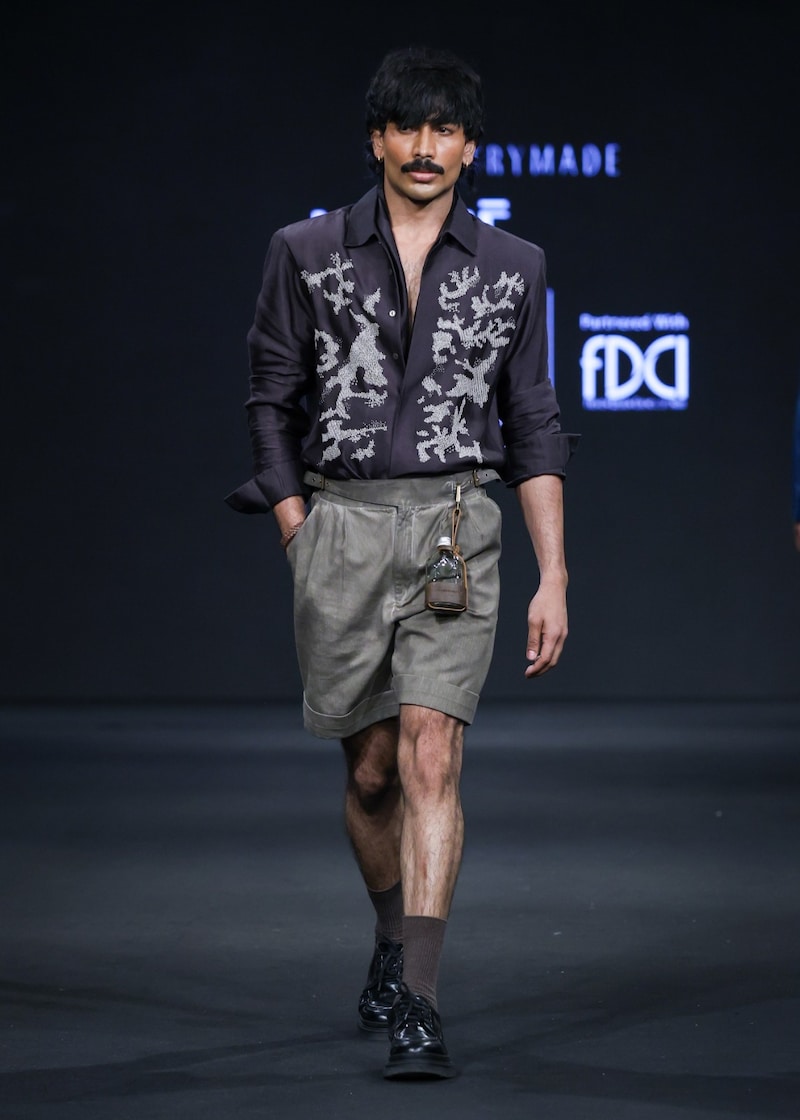
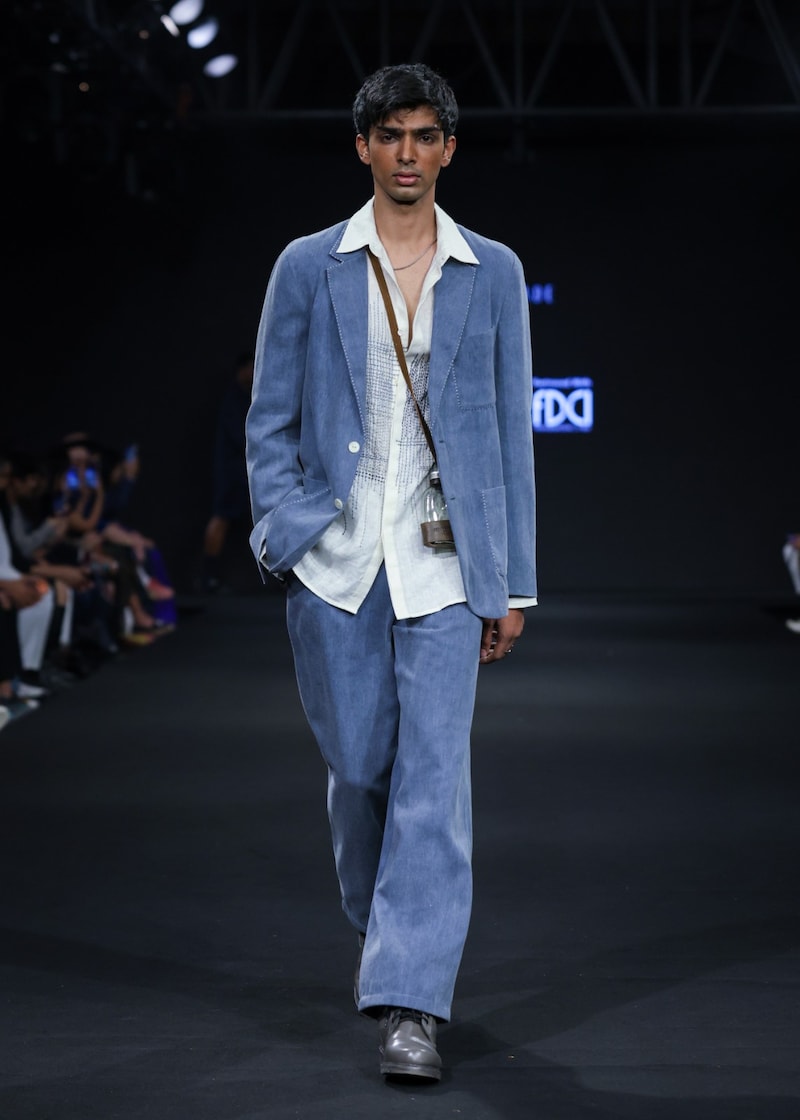
FL: You first previewed Material Memory in Tokyo before bringing it to the Indian runway. Did presenting the collection in these two settings change how you thought about the clothes or the stories they tell?
SA: Tokyo and Delhi were two very different experiences. Tokyo was much more intimate. People could spend time with the garments, touch the fabrics, turn things inside out and discover details that might not be immediately visible. A lot of the collection is about those smaller interventions, so that kind of interaction was important.
In Delhi, we had the opportunity to build an entire experience around the clothes. The film, the music and the collection were all coming from the same thought, but expressing it differently. The film explored the presence of memory in the absence of a person, while the music was made entirely of questions. And then there were the garments themselves. I enjoyed seeing how these different forms could come together. The story remained the same, but the experience of it changed completely.
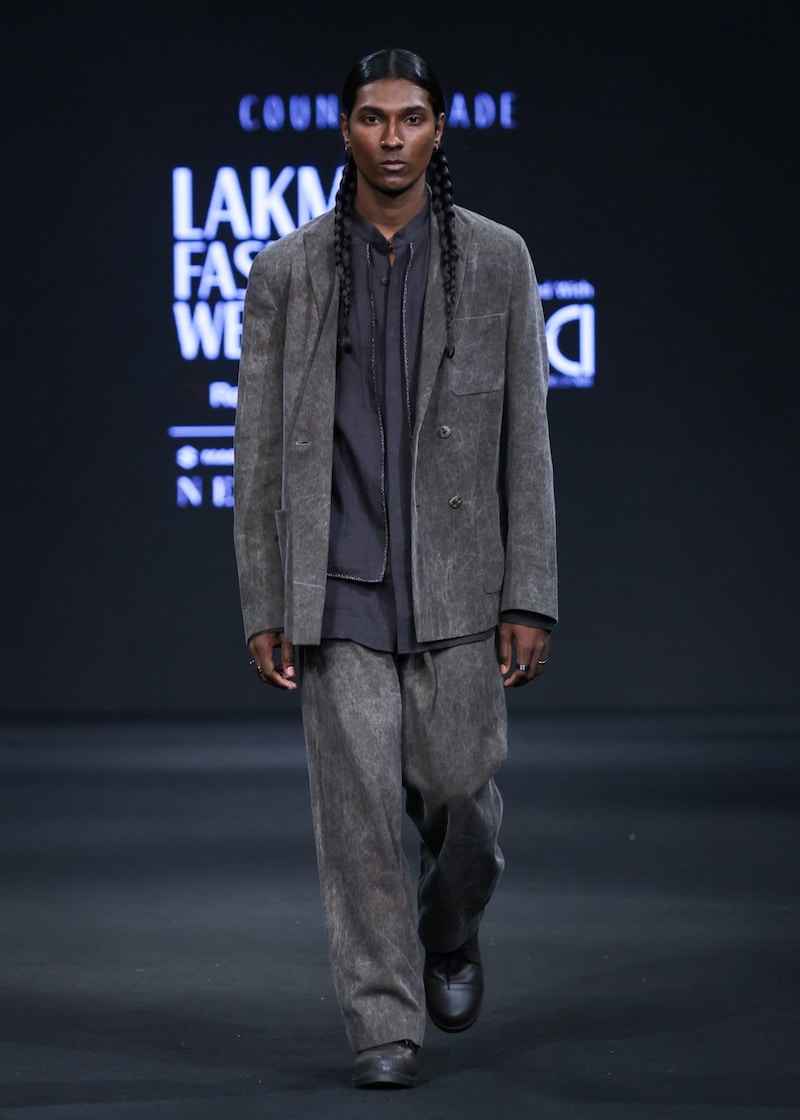
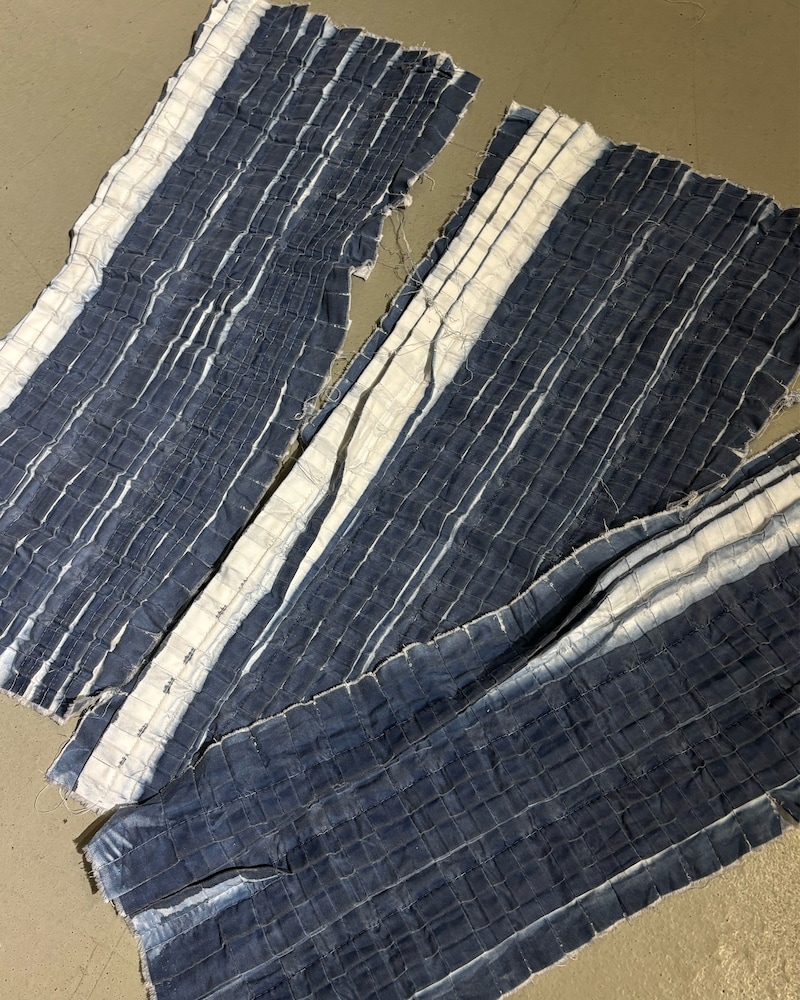
FL: Material Memory embraces fading, cracking and irregularity rather than concealing them. How has this changed your understanding of what makes a garment beautiful?
SA: I’ve always found something beautiful about clothes that have been lived in. An old jacket with a softened collar, a faded shoulder, or a repair made years later can sometimes be far more interesting than when it was new. What fascinates me is that none of these changes was necessarily intended. They happened because someone wore that garment, lived with it and made it their own.
With Material Memory, we weren’t necessarily trying to make new clothes look old. That would have been a rather literal way of approaching the idea. Sometimes a surface suggests the passage of time, sometimes a treatment changes how we perceive a material, and sometimes the beauty is in something that appears unfinished.
We explored these thoughts through washing, hand coating, pigment and construction. I was quite particular that these treatments shouldn’t just be decorative. There had to be a reason for every intervention. I don’t believe a garment has to remain perfect to remain beautiful. Sometimes the things that happen to it afterwards are what make it special.
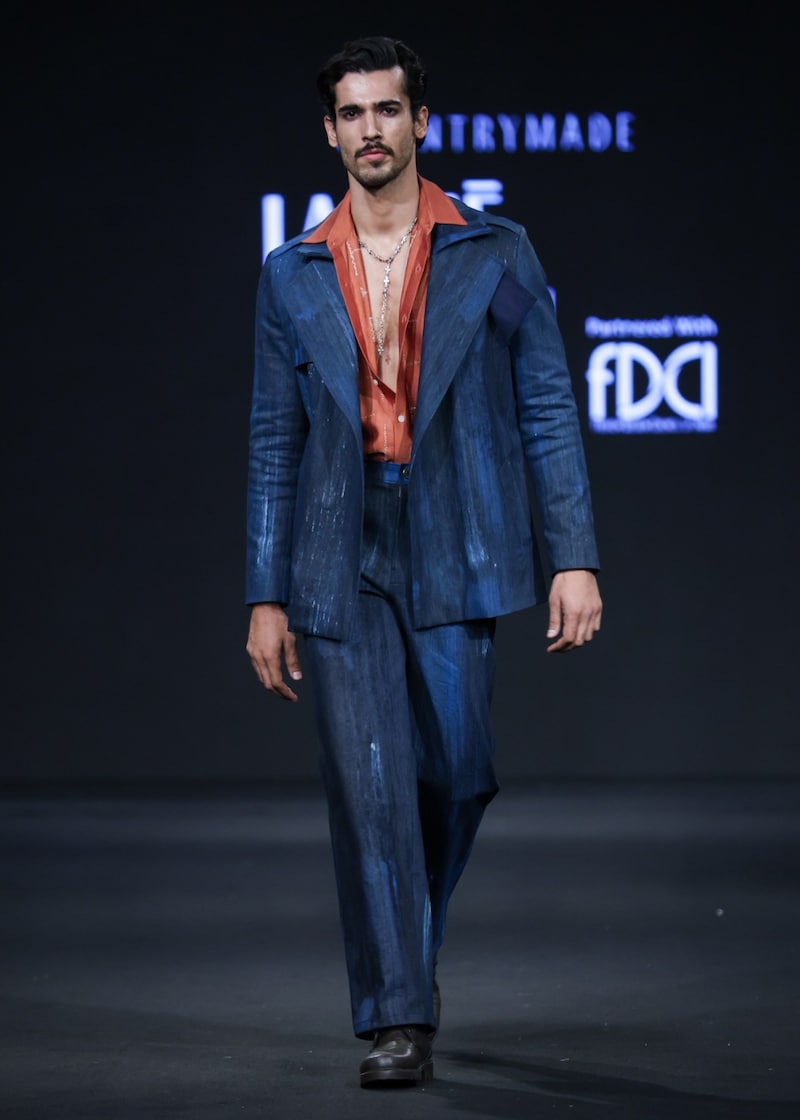
FL: The collection asks, in essence, what remains after something changes. What does that question mean to you personally, beyond the clothes?
SA: This is quite personal to me, and perhaps one of the reasons Countrymade exists in the first place. Losing my brother changed the way I understood memory. You realise that so much of what remains of someone is actually intangible. A conversation, a familiar gesture, something they once said, or even an ordinary object that suddenly means much more than it ever did.
And the strange thing is that memories themselves keep changing. You remember things differently as you grow older. Sometimes you discover an entirely new meaning in something that happened years ago. I think we spend so much of our lives trying to hold on to things, perhaps without realising that they will never remain exactly as we remember them.
A lot of my work comes from that space. I’m not necessarily trying to recreate the past, but trying to understand how it continues to live with us, in different forms.
And perhaps that’s what interests me most about memory. It changes with us, but somehow never really leaves us.


