

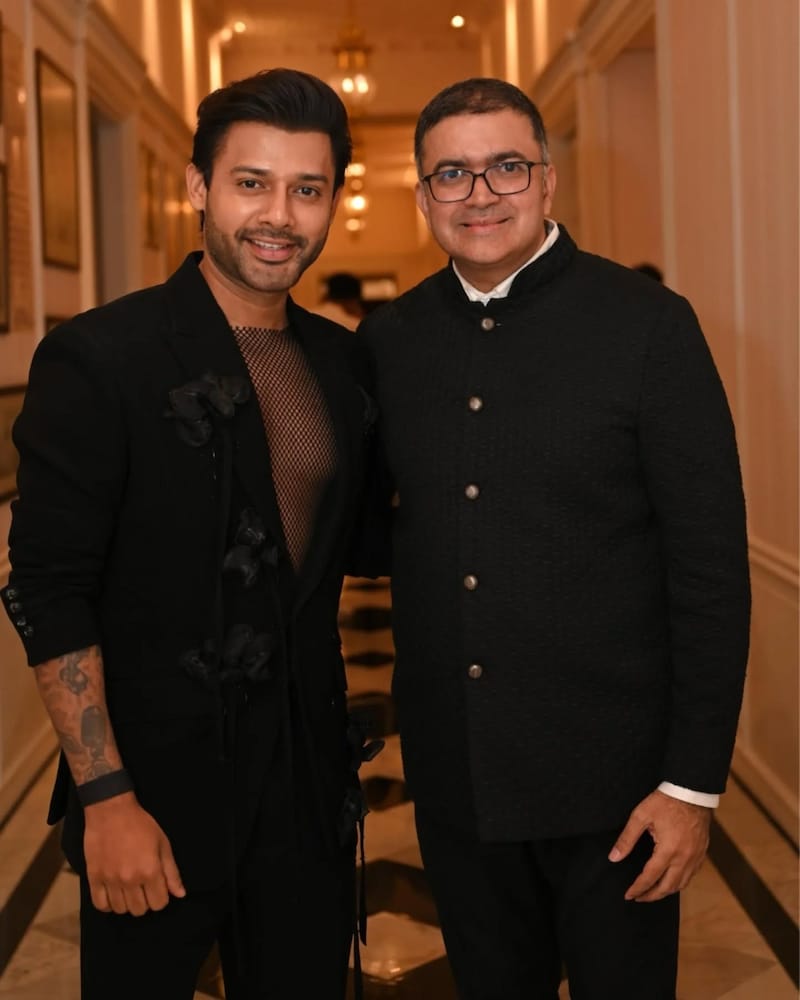
Long before Instagram dictated bridal aesthetics and viral hashtags defined the wedding lexicon, Parthip Thyagarajan was already imagining a digital future for India’s most extravagant industry. In 2000, when wedding planning was largely an offline affair, Thyagarajan launched WeddingSutra.com – a digital-first wedding platform created to give couples access to ideas, information and inspiration in a space that was still largely dominated by word-of-mouth.
The idea for WeddingSutra came at a time when Thyagarajan was already immersed in the world of media. After beginning his career with the Times of India Group, where he worked in marketing, his classmate Madhulika Sachdeva Mathur approached him with an idea born from her own experience planning a wedding: a digital portal dedicated to the business of getting married. In 2000, the two turned that idea into WeddingSutra, stepping into a digital landscape where the wedding industry had barely begun to find its place. What began as a simple website would go on to become one of India’s most influential wedding media platforms, helping shape how a new generation discovered, planned and experienced the big fat Indian wedding.
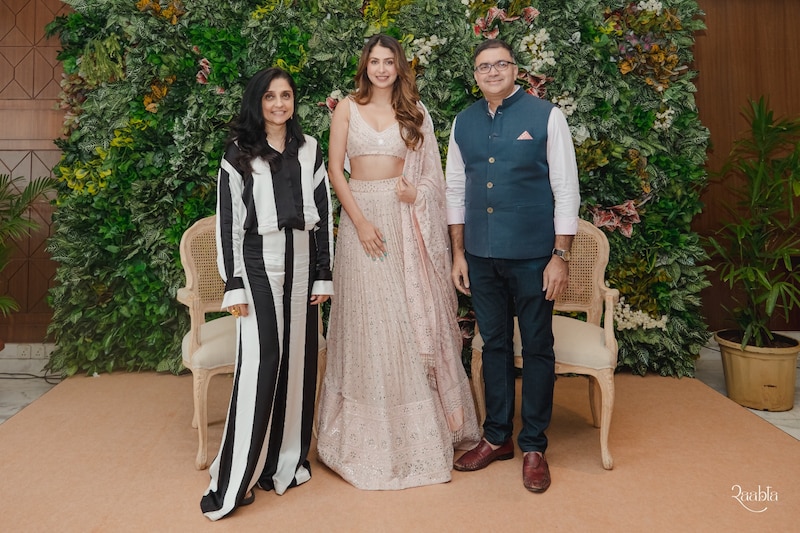
The optimism of those early days was matched by a steep learning curve. There was little research to draw from, no established category to benchmark against and no certainty that couples or the industry would embrace a digital platform. Reflecting on the challenges of pioneering a new space, Prathip shares, “When you are very young, and there isn’t much research or insight available about an industry, there is a certain innocence and optimism that comes with it. We really didn’t know how much hard work it would be.”
That hard work extended beyond building a website. Indian weddings had historically been deeply private, family-led affairs, making the idea of digitising them a difficult one to sell. Convincing families to share their wedding photographs online required patience and an acceptance that many would simply say no. For Thyagarajan, building a relationship with families meant understanding where to draw the line between access and intrusion. “At the end of the day, to manage a relationship, you also have to respect privacy,” he says. “And that is really the hallmark of a professional media person.”
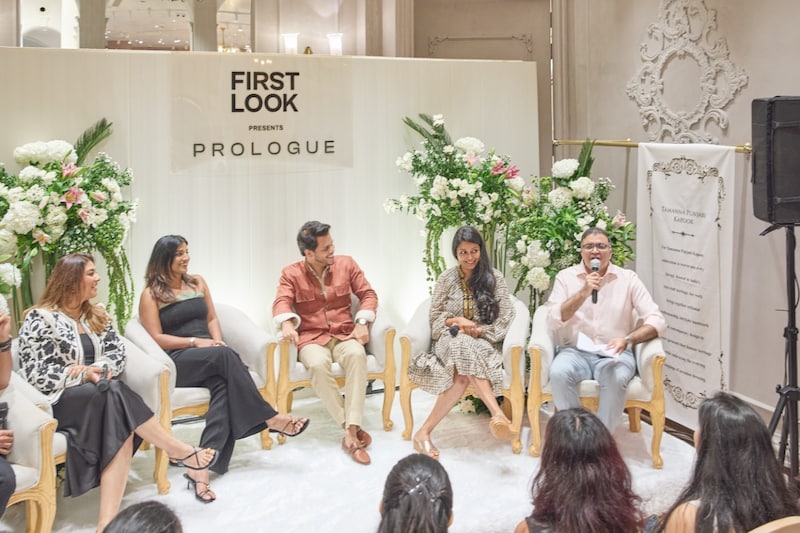
Perhaps that understanding of the ecosystem is what allowed WeddingSutra to evolve beyond being a platform that merely documented weddings. Thyagarajan recognised early on that the true visual magic of an Indian wedding was rarely created by the couple alone. Behind every meticulously orchestrated celebration was an invisible workforce labouring in the background. The platform began giving these professionals a stage of their own, turning its attention towards the photographers, planners, designers and other specialists who were quietly shaping the way Indian weddings looked and felt.
That philosophy found its defining expression in WeddingSutra Photography Awards – an initiative that helped shift the conversation around wedding photography from service to artistry. “It was quite a turning point in our business when we launched an award that celebrated those behind the lens,” he recalls. The awards also strengthened WeddingSutra’s relationship with the very industry it covered, helping the platform grow from a consumer-facing directory into a trusted voice within the professional wedding community.
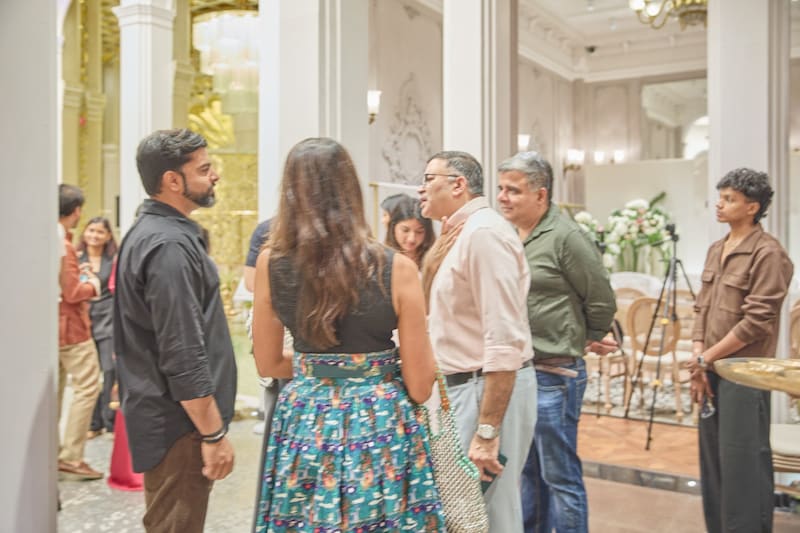
For Thyagarajan, that respect for the people behind the celebration remains personal. Even decades into his journey, attending a wedding does not necessarily mean gravitating towards the most visible guests or the centre of the room. His instinct is often to look beyond it. “I like to interact with the people working behind the scenes who make the wedding happen – the caterers, decorators, photographers, content creators, MCs, and DJs,” he explains. There is something telling about that instinct. After years spent documenting celebrations, his fascination remains rooted not only in the spectacle, but in the people and craft that make the spectacle possible.
And perhaps that is why, despite having spent years around some of the most elaborate Indian weddings, his definition of a memorable celebration strays away from the scale or the spectacle attached to it. It comes down to something more enduring: the people, the relationships and the spirit with which a celebration is experienced.


Just finished exploring OkayPlay and their secure setup really stands out for PH players. Check out okayplay club to see the full game lineup before your next weekend session!