

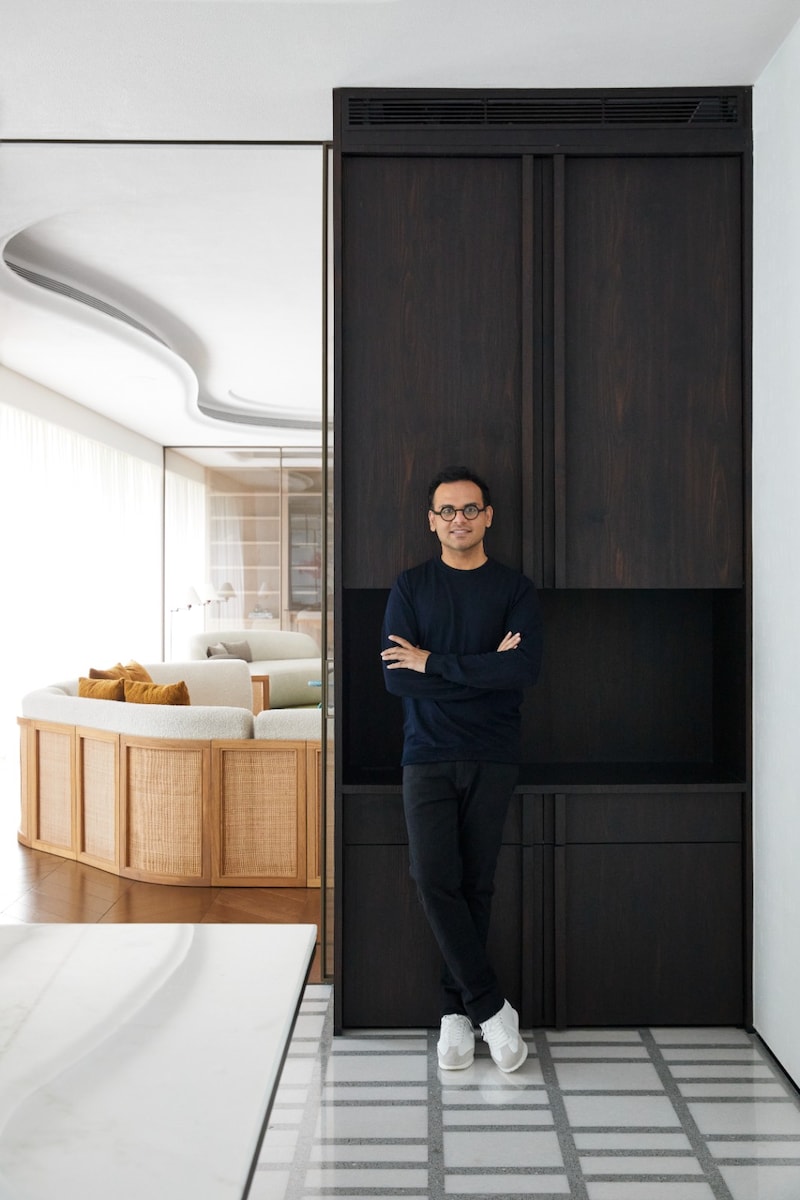
Few words have been stretched as thin by the design industry as craft. It appears almost everywhere with ritual regularity, often used to describe everything from textured finishes to handmade imperfections. But somewhere along the way, craft became a visual shorthand rather than what it has always been: an inheritance of knowledge. For architect and designer Ashiesh Shah, correcting that misunderstanding isn’t simply a matter of language; it reshapes how we value the objects we live with, the communities that make them and the future of Indian design itself.
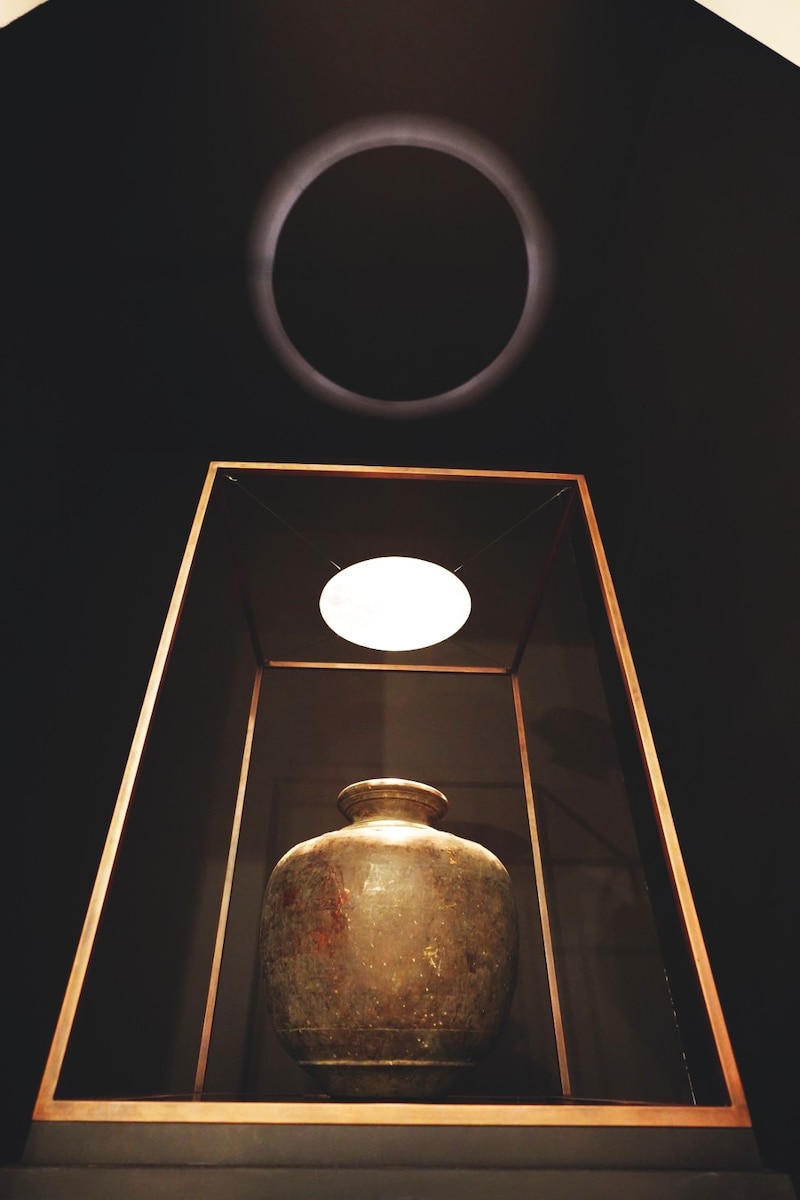
Modern craftsmanship today is a careful dialogue between traditional techniques and contemporary sensibility, something that Shah has mastered over almost two decades of his journey. “Craft is not a look. It is knowledge, held by communities, refined over generations,” says the artist, pushing back against an industry that increasingly aestheticises the handmade while overlooking the intelligence behind it. His latest body of work, bringing together Channapatna woodturning, Dhokra casting, Longpi pottery and Naga weaving, is rooted not in nostalgia but in recognising each tradition as “a civilisation of knowledge inside an everyday object.”
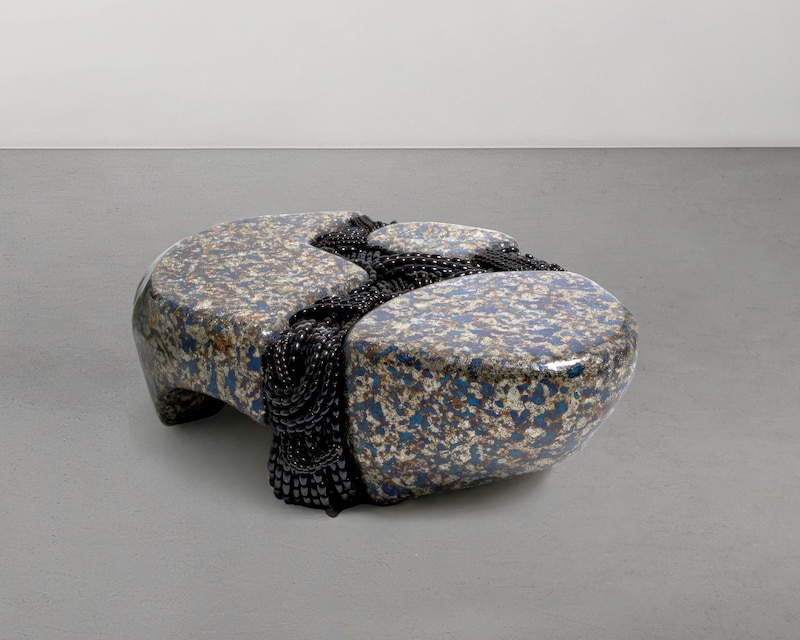
Rather than reinventing heritage, Shah advocates balance, which comes from knowing what is sacred and what is circumstantial. He shares, “The knowledge is sacred – the proportions, the material understanding, the hand. The application is circumstantial – what the object was used for, where it sat, who bought it. I never touch the first. I feel free with the second. So a rudraksha bead is strung exactly as it has always been strung, but it becomes the surface of a mirror. The matka is shaped exactly as it has always been shaped, but it orbits as a mobile. The craft is never asked to change. Only its context is.”

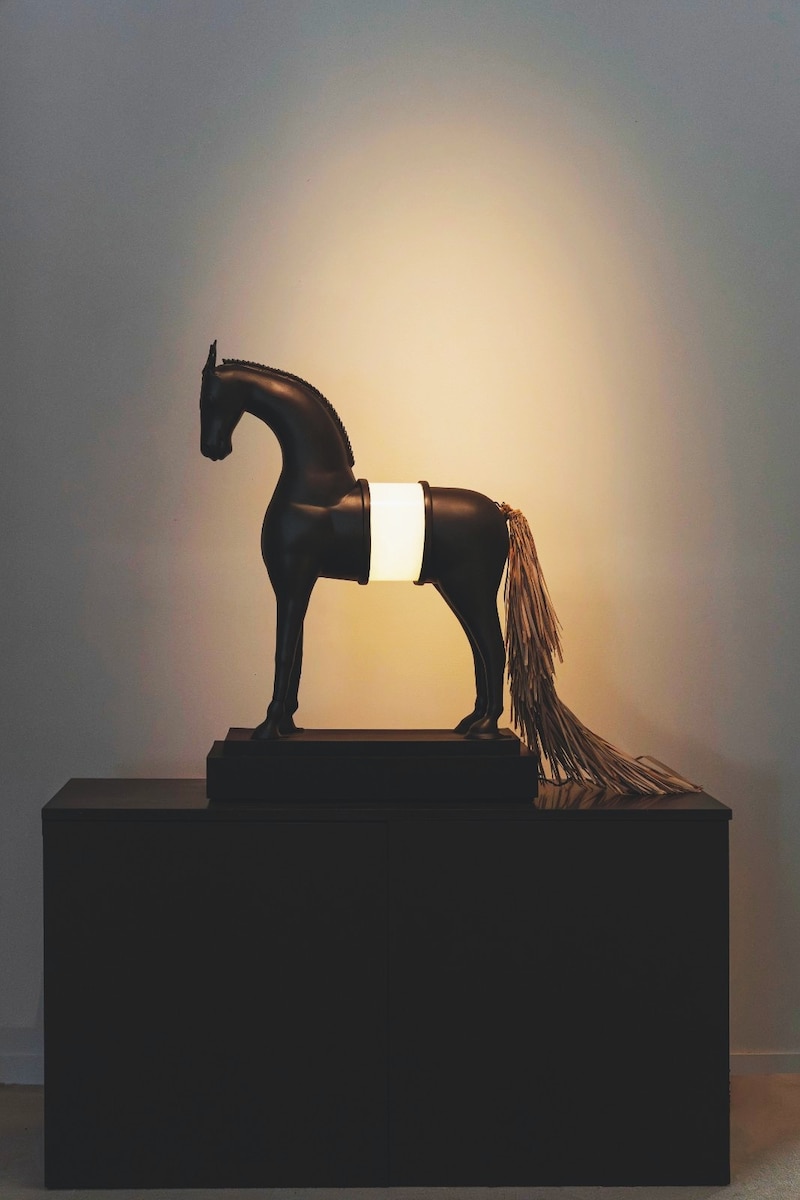
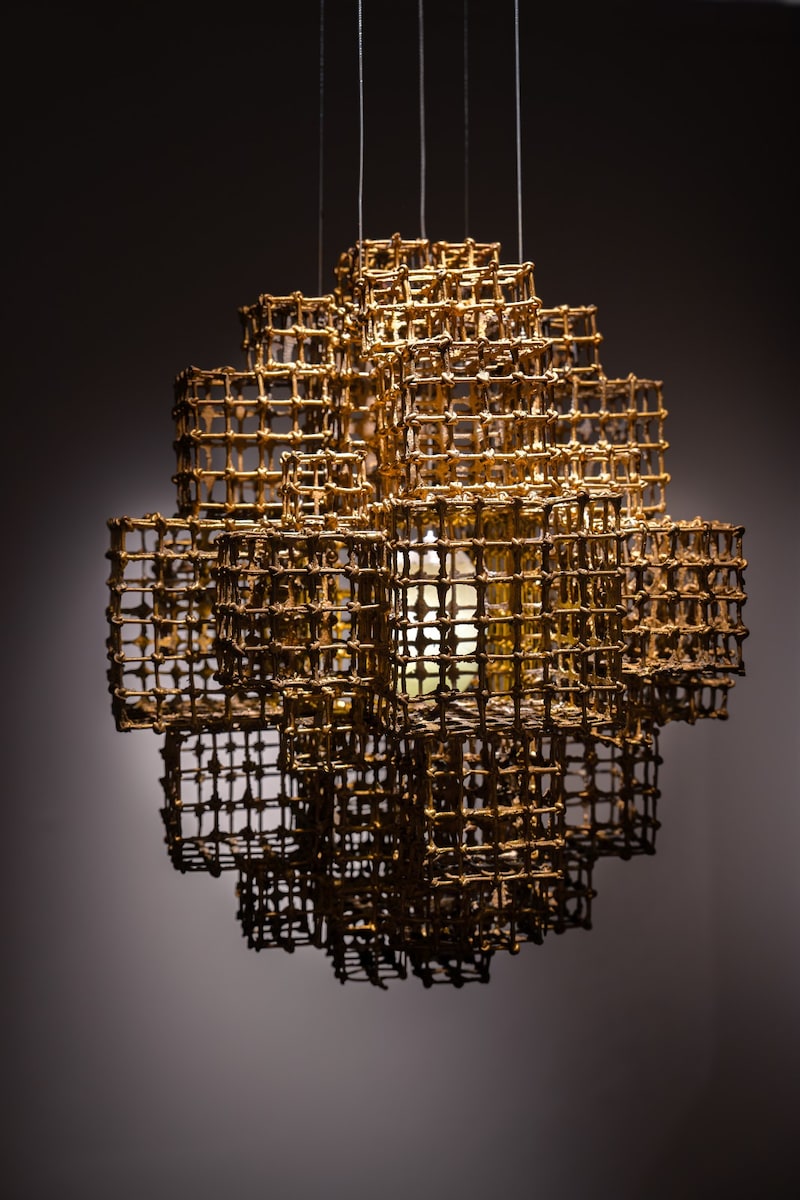
“The most useful thing I can do for a four-hundred-year-old tradition is make sure it has a confident next decade.”
This philosophy also redefines the role of the contemporary designer. “The artisan is not a pair of hands executing my imagination,” Shah insists. Instead, collaboration demands restraint, accurate attribution and most importantly, accountability that allows tradition to lead while design introduces new relevance. “The first responsibility is accuracy, naming the craft, the cluster, the lineage, and getting it right. Credit is not generosity, it is precision. The second is economics. Attention must convert into sustained work, not a single commission that photographs well. And the third, which is discussed least, is restraint. The tradition leads; I bring engineering and context to it without imposing more than what is needed. The day the collaboration flips, when the craft starts serving the designer’s signature instead of the other way around, something has gone wrong, even if the object is beautiful.”
The revered architect’s creations are a form of renewal. However, responsible reinvention calls for awareness of what was and what it has become. On understanding the importance of bringing these original artforms into today’s world, the artist insists that it is neither reinvention nor revival. He further adds, “Revival implies death, and these crafts are not dead, they are unattended to. Reinvention implies the original needed correcting, and it did not. What I practice is closer to recontextualising. The craft stays whole, its setting changes. When the craftsmen look at my Channapatna turner, and recognise their knowledge intact inside it, I have done my job. If they cannot, I have taken something away rather than continue it.”
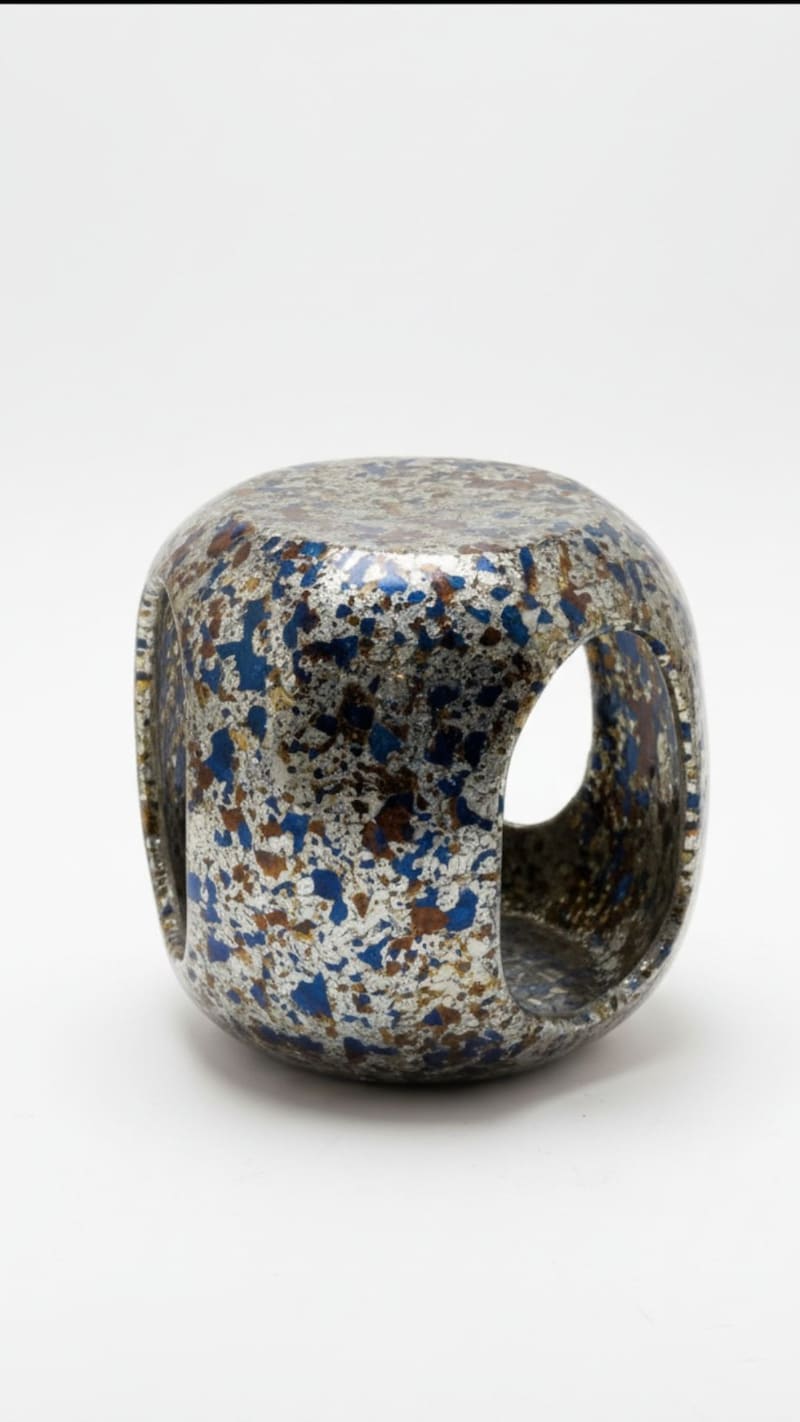
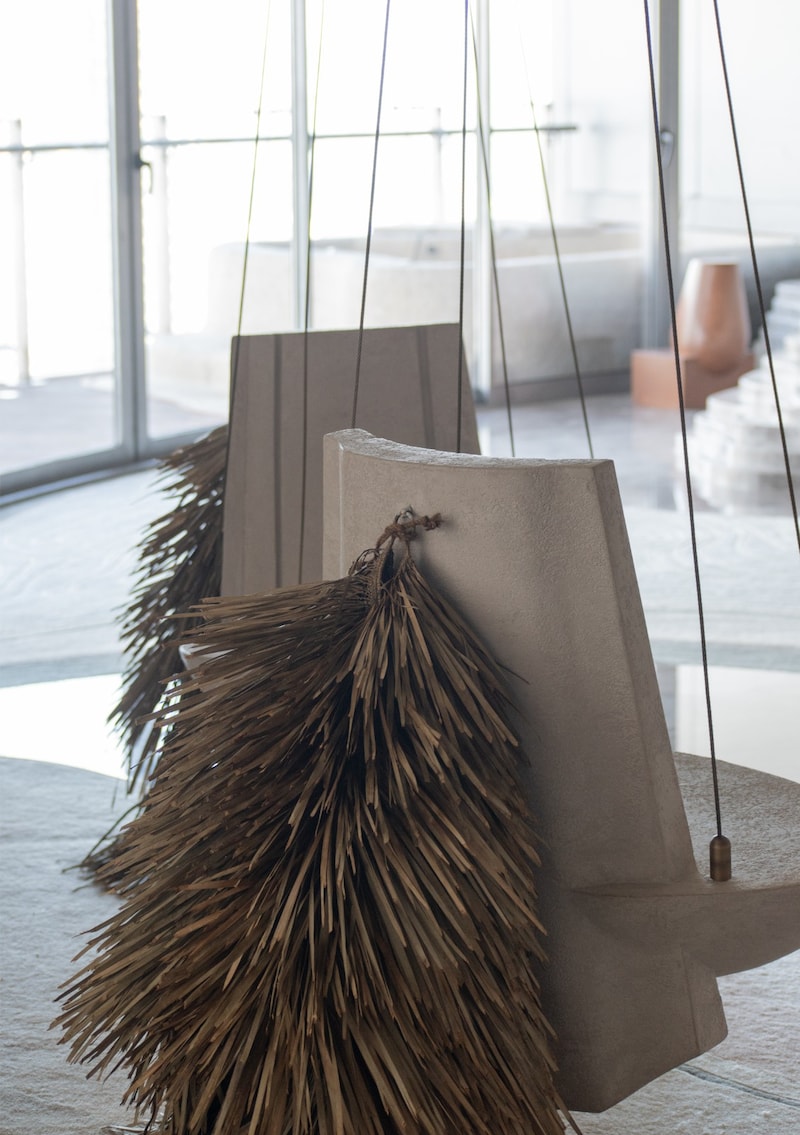
“I think of my role as keeping a contract. The tradition carries the meaning; I carry it into rooms, markets and conversations it would not otherwise reach.”
In an era driven by superficial aesthetics and novelty, Shah has created a body of work relying on centuries-old skills, and made it a part of modern settings with utmost sophistication. When asked which myth he had to break in order to create a niche in the industry he has been a part of for almost two decades, he says, “That craft is an aesthetic. The misconception matters because it lets the industry use the word loosely. When craft means everything, it means nothing, and the communities the word once protected become harder to see. That is the misconception I push against the most, not in audiences, but in our own industry’s language.”
Today, Ashiesh Shah is an illustrious name in the art and design landscape of the country but what preceded includes years of diving deep into the crevices of the country’s diverse craft culture. Days and nights invested into spending time with communities and tribes, and understanding the depth of their generations-old skills. Looking ahead, he hopes more conversations steer away from where an object was made towards what it knows. He asserts, “The objects we live with are not neutral, they either carry knowledge or they do not. I would like people to ask that question in their own homes. And for Indian craft specifically, I hope we stop framing it as something to be saved, and start framing it as what it is – one of the deepest
living design intelligences in the world. They have every right to sit in a London gallery, a Mumbai apartment and a village workshop all at once, unchanged in what it knows, unlimited in where it goes.”


Seriously, this whole meeting is a drag. At least the organization of filbet app games sounds more strategic than our Q3 projections! Gotta think about expected value, right? 😂
[2052]Fanchai Official Login | Top Online Casino Malaysia Fast Payouts,Fanchai offers a seamless app download for the best online casino experience in Malaysia. Enjoy fast payout slots and live baccarat. Join now and start playing. visit: fanchai
[5391]Hitclup – Đăng nhập tải APK game bài đổi thưởng uy tín,Hitclup hỗ trợ tải hitclup APK nhanh chóng và đăng nhập dễ dàng. Trải nghiệm casino trực tuyến nạp Momo tiện lợi với nhiều game bài đổi thưởng uy tín. Tham gia ngay! visit: hitclup
[5894]mega63 Official Login | Fast Payout Online Slot Malaysia,mega63 offers a seamless experience for live casino baccarat and top slots. Download the app for easy access and enjoy fast payouts. Join the action now! visit: mega63
[7956]fun88 লগইন ও অ্যাপ ডাউনলোড | বিকাশ দিয়ে ক্যাসিনো ডিপোজিট,fun88 অ্যাপ ডাউনলোড করে শুরু করুন আপনার যাত্রা। এখানে অনলাইন স্লট গেম খেলার নিয়ম শিখুন এবং সেরা লাইভ ক্যাসিনো বোনাস লুফে নিন। আজই জয়েন করুন। visit: fun88
Best betting experience I have had in a while. The odds are fair and the customer support team is actually helpful. You guys should try 888fbbet.
[9559]2upcasino লগইন এবং অ্যাপ ডাউনলোড | বিকাশ ক্যাসিনো ডিপোজিট,2upcasino লগইন করে অনলাইনে স্লট গেম খেলার নিয়ম জানুন। বিকাশ দিয়ে ক্যাসিনো ডিপোজিট এবং লাইভ ক্যাসিনো বোনাস অফার পেতে আজই জয়েন করুন। visit: 2upcasino
If you are looking for a reliable spot with good odds, this is it. I’ve had a few decent wins already. caricuanslot is definitely my new go-to place.
Hello all! I came across a handy page and figured I’d post it for you. Have a look — https://silverwillow.com/. Would love your feedback
[4356]777bet login করুন | বিকাশ দিয়ে ক্যাসিনো ডিপোজিট ও স্লট গেম,777bet login করুন এবং সহজেই 777bet app download করে নিন। বিকাশ দিয়ে ক্যাসিনো ডিপোজিট এবং অনলাইন স্লট গেম খেলার নিয়ম জানতে আজই জয়েন করুন। visit: 777bet
Hey folks! I came across a helpful resource and figured I’d pass it along. Check it out — https://harborverve1.net/. Would love your feedback
Hey folks! I stumbled upon a handy page and figured I’d pass it along. Feel free to explore — https://pixelzephyr.shop/. Hope it helps someone
Hey folks! I recently found a helpful resource and figured I’d pass it along. Check it out — https://pixelzephyr.shop/. Hope it helps someone
I’ve tried a few platforms recently but this one really stands out. The interface is smooth and the payouts are fast. Definitely worth checking out krmegawin777
[2368]roninslots লগইন এবং অ্যাপ ডাউনলোড | বিকাশ দিয়ে স্লট গেম,roninslots-এ আজই লগইন করুন এবং বিকাশ দিয়ে স্লট গেম উপভোগ করুন। অ্যাপ ডাউনলোড করে সেরা অনলাইন রুলেট গেম খেলুন এবং বোনাস বুঝে নিন। visit: roninslots
I’ve been playing here for a few weeks now and the payouts are surprisingly fast. Definitely one of the most reliable platforms I’ve found recently. Check out ph77pinas for a great experience.
[8568]detectiveslots লগইন এবং অ্যাপ ডাউনলোড | বিকাশ স্লট গেম,detectiveslots লগইন করুন এবং সহজেই অ্যাপ ডাউনলোড করে নিন। বিকাশ দিয়ে স্লট গেম খেলার নিয়ম জানুন আর সেরা অনলাইন ক্যাসিনো বোনাস উপভোগ করুন। visit: detectiveslots