

Seventeen is a strange age. Old enough to know who you are, young enough to keep questioning everything. Long enough for trends to complete multiple lifecycles, for entire aesthetics to rise and disappear, for conversations around craft, sustainability and conscious design to become industry shorthand.
Yet spending an hour speaking to Aneeth Arora, founder and designer at Péro, one gets the sense that she has remained largely unmoved by fashion’s appetite for tags. Péro has never been particularly interested in any of those things. Since 2009, Aneeth Arora’s label has built a world of its own. One where handwoven textiles sit at the heart of everything, and where craft, comfort, and curiosity coexist. As the brand turns seventeen, Arora reflects on organic growth, creative instinct, the changing language of craft, and why, even after all these years, she believes, “the only goal is to be happy.”
She doesn’t talk about disruption, nor does she speak in the language of purpose or preservation. She definitely isn’t interested in defining her work through grand ideas. When I ask whether softness can be a form of resistance in contemporary fashion, she pushes back. “We always called it ‘breaking the rules’,” she says.
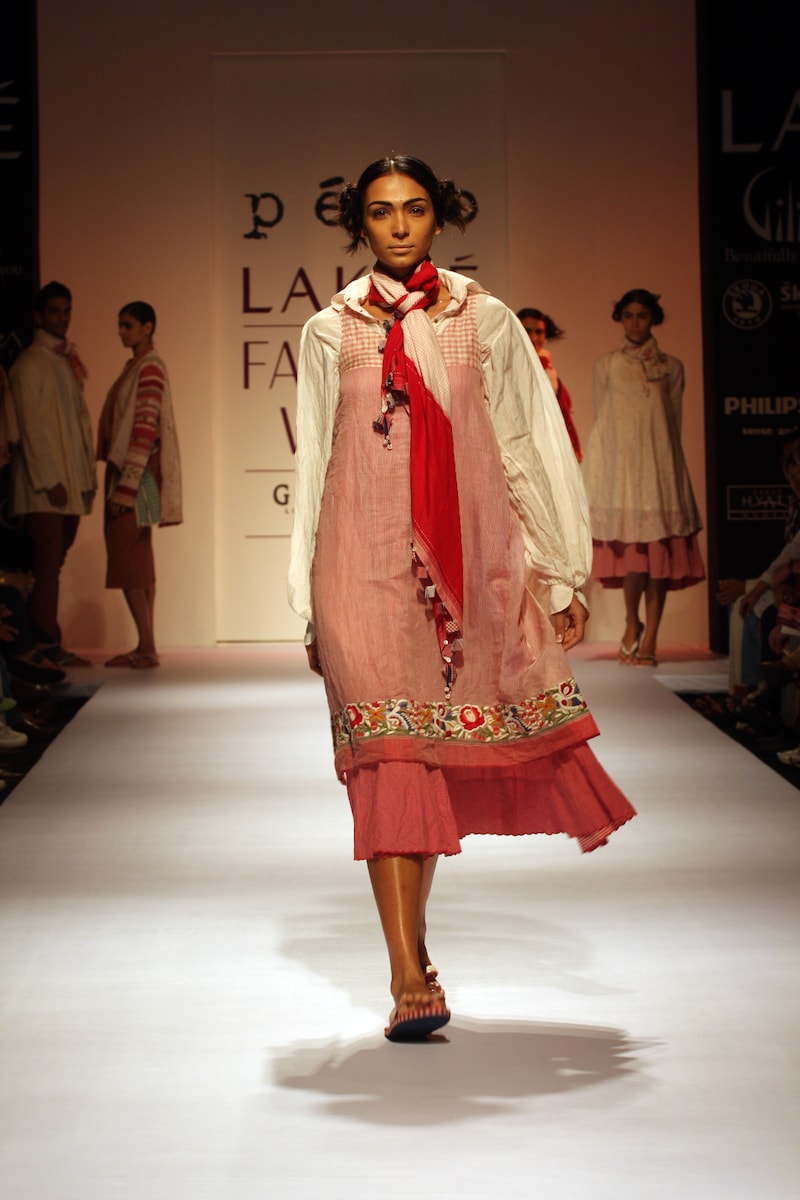
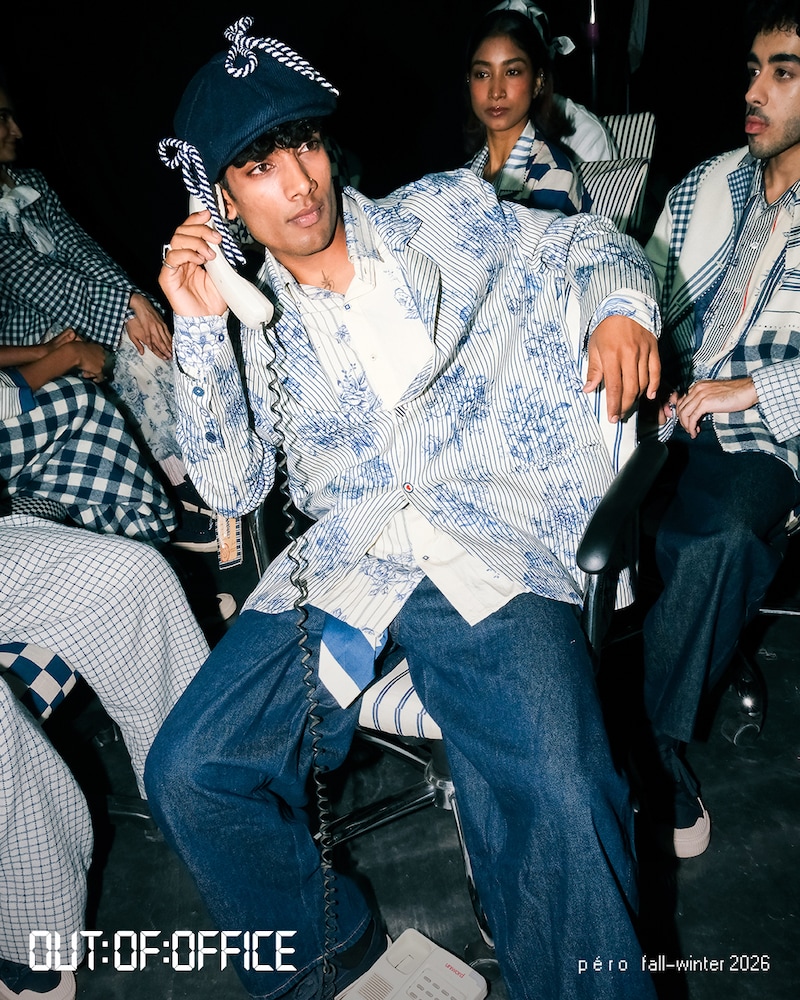
The distinction feels important because if there is one thing Péro has done consistently over the last seventeen years, it is to challenge the assumptions fashion tends to make about clothing, beauty, and craft without ever trumpeting that it is doing so.
When Arora launched the label in 2009, the idea was simple. She was working with traditional Indian crafts and locally available textiles, but not in the way they were typically being used. There were interventions in yarns, refinements in weaving techniques and subtle changes that made fabrics softer, lighter, and easier to wear. The textiles still looked familiar, though. A Chanderi remained a Chanderi and a khadi remained a khadi. Yet, the experience of wearing them was entirely different.
“When we started using traditional crafts and locally available textiles, people felt they already knew these fabrics. They thought it was something they could buy from a craft fair or get stitched themselves. But when they started interacting with the garments, they realised the textile was much more than what they were seeing.”
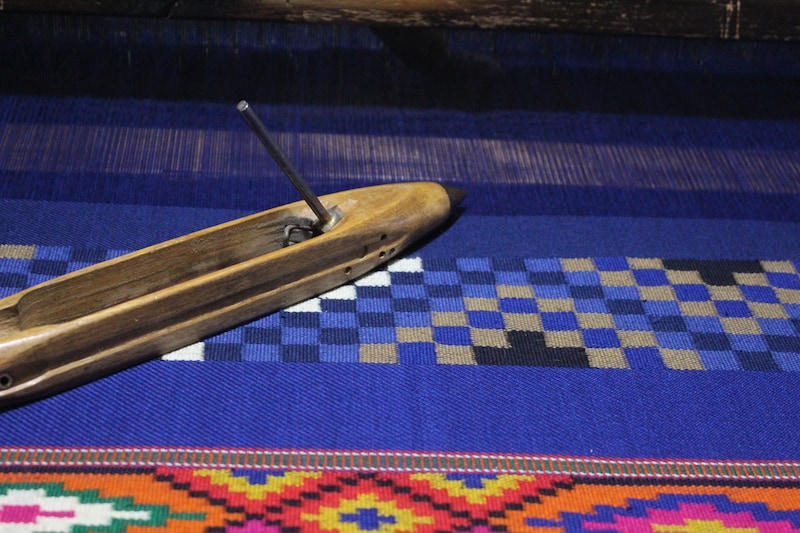
Ironically, that understanding came from outside India before it arrived at home. In its very first season, Péro found itself stocked in nearly 150 stores internationally. Arora remembers Indian travellers encountering the brand hanging alongside global labels and suddenly looking at it differently.
“The inspiration was always local, but the product was global,” she says. This idea explains Péro better than any elaborate mission statement ever could.
The brand has never attempted to package Indian craft as heritage. Nor has it tried to translate it into something unrecognisable. Instead, Arora has spent nearly two decades finding a language that allows traditional textiles to exist naturally in contemporary wardrobes, whether those wardrobes happen to be in Jaipur, London, or Paris.
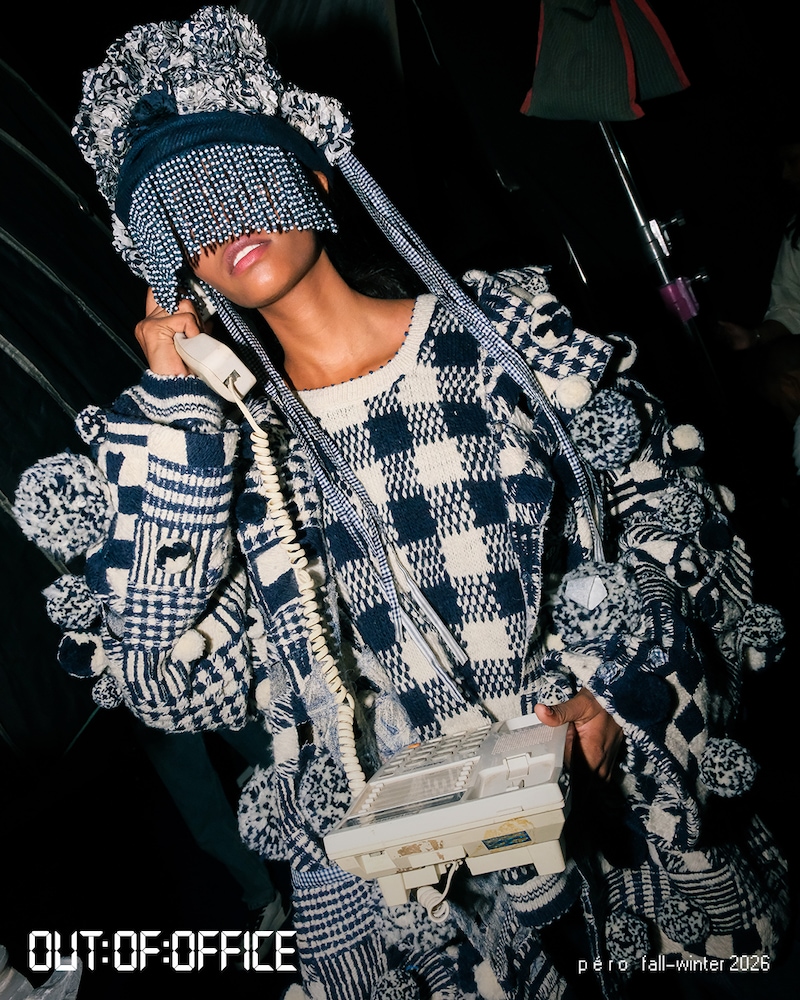
What has remained most distinctive, however, is the emotional quality of the work. Péro garments rarely look pristine. They carry a softness, a familiarity and an accidental finesse that feels rare in an industry obsessed with perfection. Arora traces that instinct back to her years studying textiles and travelling through weaving communities across India.
“I was seeing the same people who were weaving the textiles wearing clothes made from what they had woven,” she recalls. “There was a rawness and honesty in how they wore those clothes.”
What fascinated her was not the textile sitting neatly on a loom but the life it acquired once it entered somebody’s wardrobe. The ease with which people wrapped, layered and lived in those fabrics left a deeper impression than any formal design education could. “It felt effortlessly stylish,” she says.
That phrase stuck with her and eventually became the foundation of Péro’s design philosophy. Long before comfort clothing became a category and oversized dressing became mainstream, the brand was creating anti-fit silhouettes and relaxed shapes because that was simply what felt right. “There was no concept of comfort clothing then. There was no concept of anti-fit or boxy silhouettes. Fashion was largely occasion-driven.”
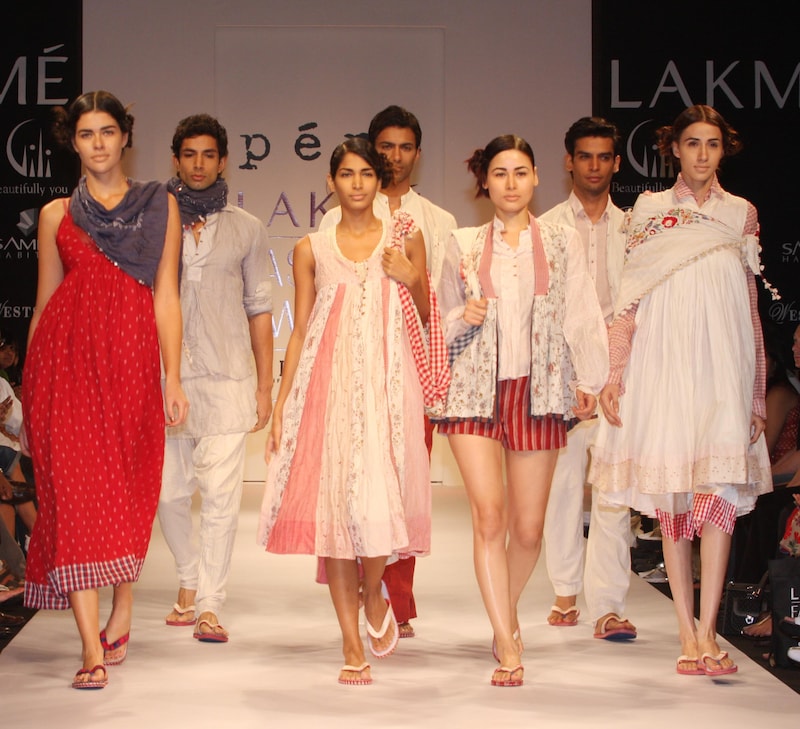
The idea of making clothes that prioritised comfort was not a trend study, but a personal conviction. Even the brand’s name reflects that simplicity. Péro comes from a Marwari word meaning “to wear”, and for Arora, that everyday quality has always mattered. She remembers hearing, as a student, that fashion was meant for certain bodies and certain people. “If I were to do clothing, I had to break that notion.”
Success, however, has not altered that instinct. If anything, it has strengthened her trust in it. Upon being asked what has changed most over seventeen years, she doesn’t talk about collections or retail expansion. Instead, she speaks about confidence. Not the confidence that comes from growth, but the confidence that comes from knowing your instincts are worth listening to. “It has become easier over time,” she says. “Earlier, there were doubts. You wondered if you were on the right path. Now we know that if we put our heart and soul into what we’re doing, that’s enough.”
The growth itself has been remarkable. Back in 2009, Péro began with three people working out of Arora’s home: herself, one tailor and one runner. Production stood at roughly twelve garments a month. Today, the company employs more than 350 people. Yet even now, she recounts that journey with a kind of detached amusement.
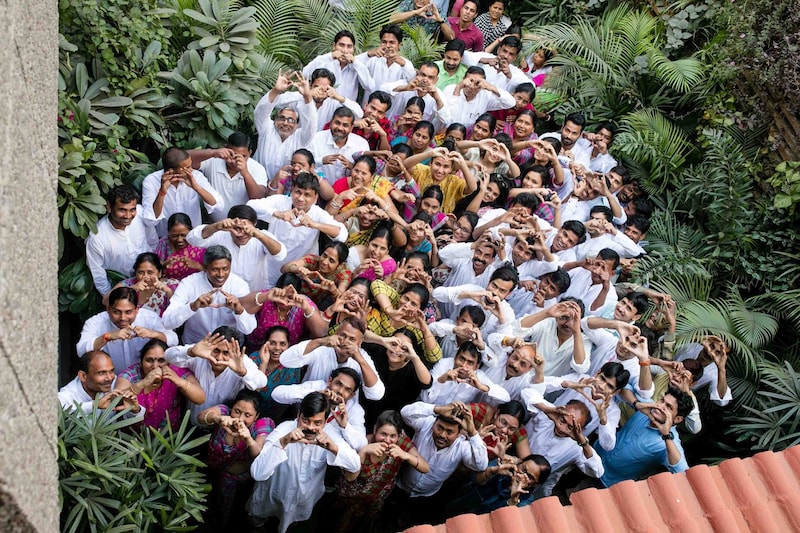
“There was never a five-year plan,” she says. “I never thought about scaling the brand.” The expansion happened organically, one step at a time, responding to demand rather than ambition. The way she tells it, growth feels less like a strategy and more like a by-product of staying committed to the work and her love for textile.
That commitment is perhaps most visible in the brand’s relationship with craft. Over the years, Arora has watched the conversation around Indian textiles evolve dramatically. Designers engage more deeply with craft clusters, and artisans have greater visibility. Social media has flattened hierarchies that once existed between makers and brands. Yet she remains wary of framing these relationships in terms of rescue or preservation. “I always felt it was a collaboration,” she says. “Without them, I would never be able to create what I want to create.”
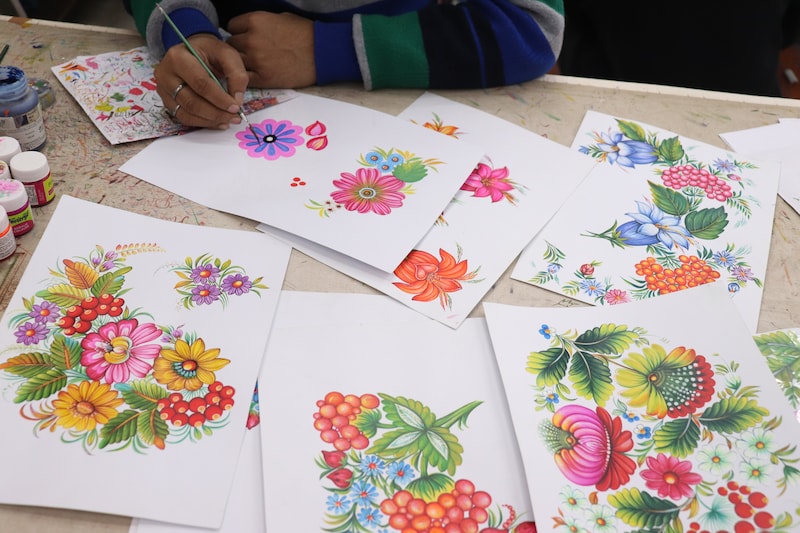
While much of the industry speaks about reviving crafts, Arora hesitates when I use the word revival. “Revival is a very big word.” What we are witnessing, she believes, is something more dynamic. An evolution. A process through which traditional skills continue to adapt to contemporary ideas. It is also why she finds so much excitement in the next generation of designers. “They have a very fresh interpretation.”
Where her generation introduced Indian textiles into global wardrobes through comfort and ease, younger designers are experimenting more fearlessly with silhouette, proportion and context. The possibilities seem endless, and rather than feeling protective of tradition, she appears energised by what comes next.
Perhaps that openness stems from the fact that Arora herself continues to approach design with the curiosity of a beginner. “The approach has always been childlike,” she says. A collection might begin with nothing more than a colour or a shape or even a passing thought. There is no elaborate methodology, only instinct. “If Péro has grown from one to seventeen, I think I’m becoming more like a child.”
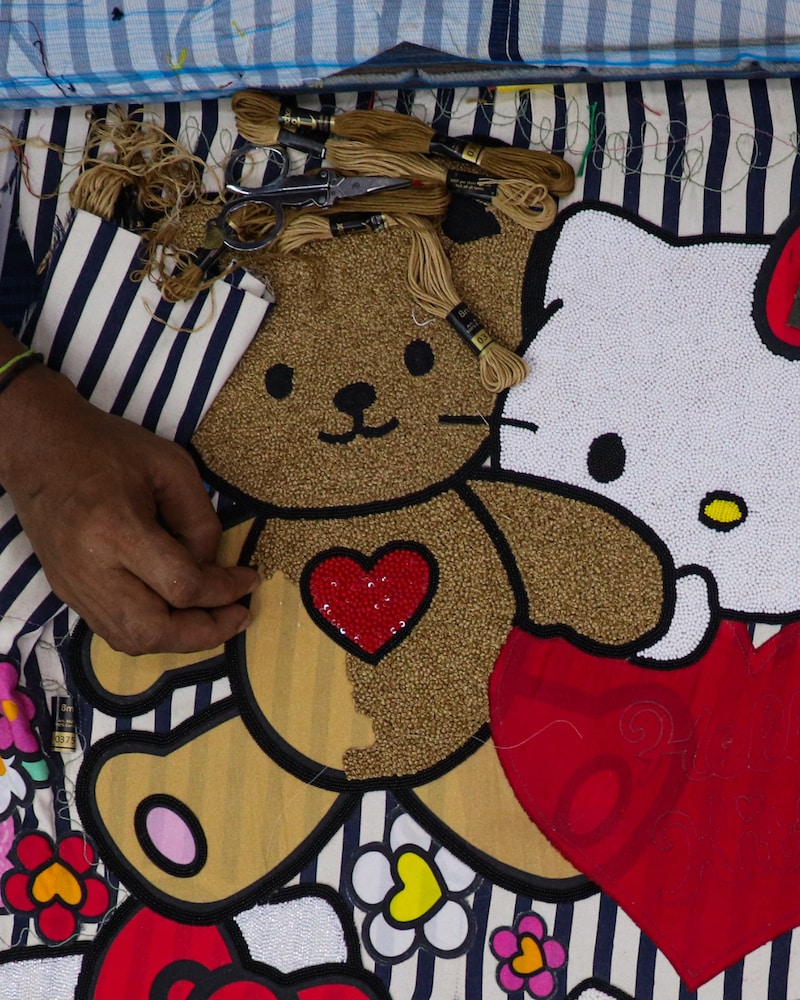
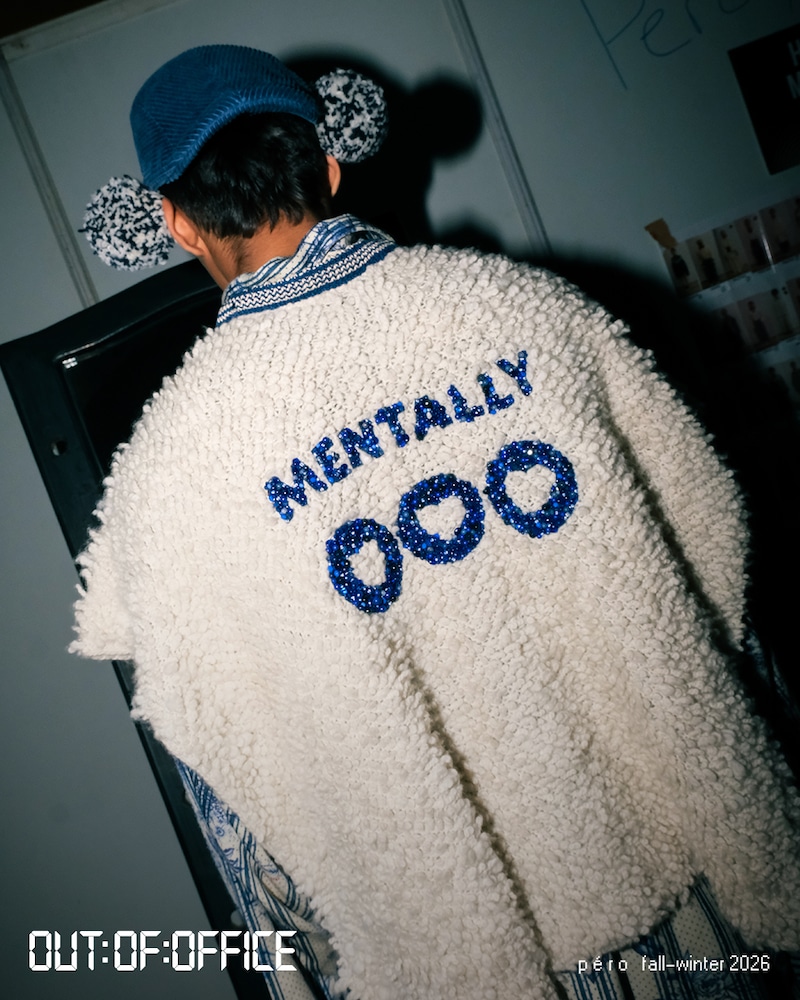
Which is why her answer to my final question feels so perfectly on brand. When I ask what still excites her enough to return to the studio every morning after seventeen years, she pauses briefly before saying, “It depends on the night before.”
Sometimes there is an idea she cannot stop thinking about. Sometimes there is a problem waiting to be solved. More often than not, it is the challenge itself that draws her back. The process of figuring out how a difficult technique can be refined, repeated and transformed into something people can live with.
Fashion has changed enormously since Péro began. Entire industries have been built around concepts that the brand embraced long before they became fashionable. Nonetheless, what feels most remarkable about Péro at seventeen is not how much it has evolved, but how much of its original spirit remains intact. The curiosity is still there. The innocence is still there. The belief that clothing should make people feel comfortable, happy, and themselves is still there.
And for all we know, that is why the brand continues to resonate. Not because it has spent seventeen years trying to stay relevant, but because it has spent seventeen years staying true to the things it believed in from the very beginning.


kewjnb
Really enjoying the bonuses they offer. It gives me a much better chance to win big. Visit vnhm88net now
The APK installation was a breeze. Everything works perfectly on my Android phone. Get your plus777downloadapk here.
Easy registration and an even easier login process. I love that I can jump straight into the action without any hassle at nike88login.
Best slot experience I’ve had in a while. The RTP seems decent and the animations are great. Check out bolaslot888 if you’re feeling lucky today.