

Glamour has marked its return with a confidence that feels almost defiant, and the Pinterest Predicts 2026 Report makes it clear that this revival is not sudden. There is a visible appetite for silhouettes that occupy space, jewellery that refuses to disappear into an outfit, and surfaces that assert instead of retreat. The overall direction marks a step back from the cool detachment of minimalism, moving instead toward a revival of 1980s excess – filtered through a present overrun by tension.
At first glance, the glamoratti aesthetic appears to be all drama, built on unapologetic shapes and conspicuous shine, but beneath the spectacle lies a deeper truth: style becomes a form of reassurance, and extravagance here is entirely intentional.
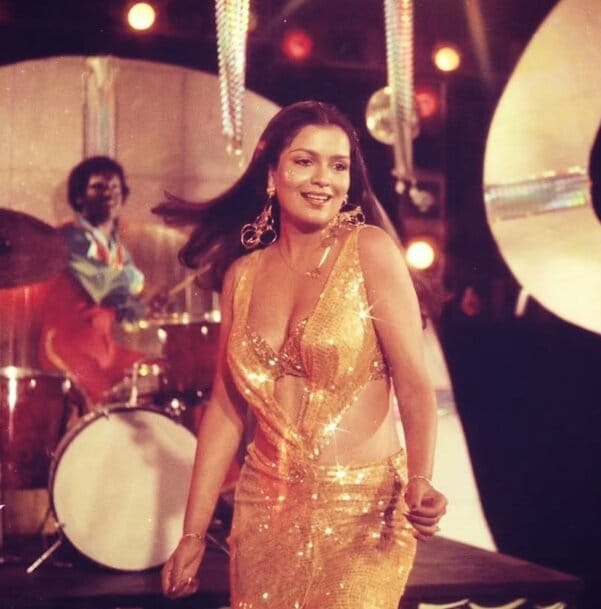
Image Courtesy: Zeenat Aman/ Instagram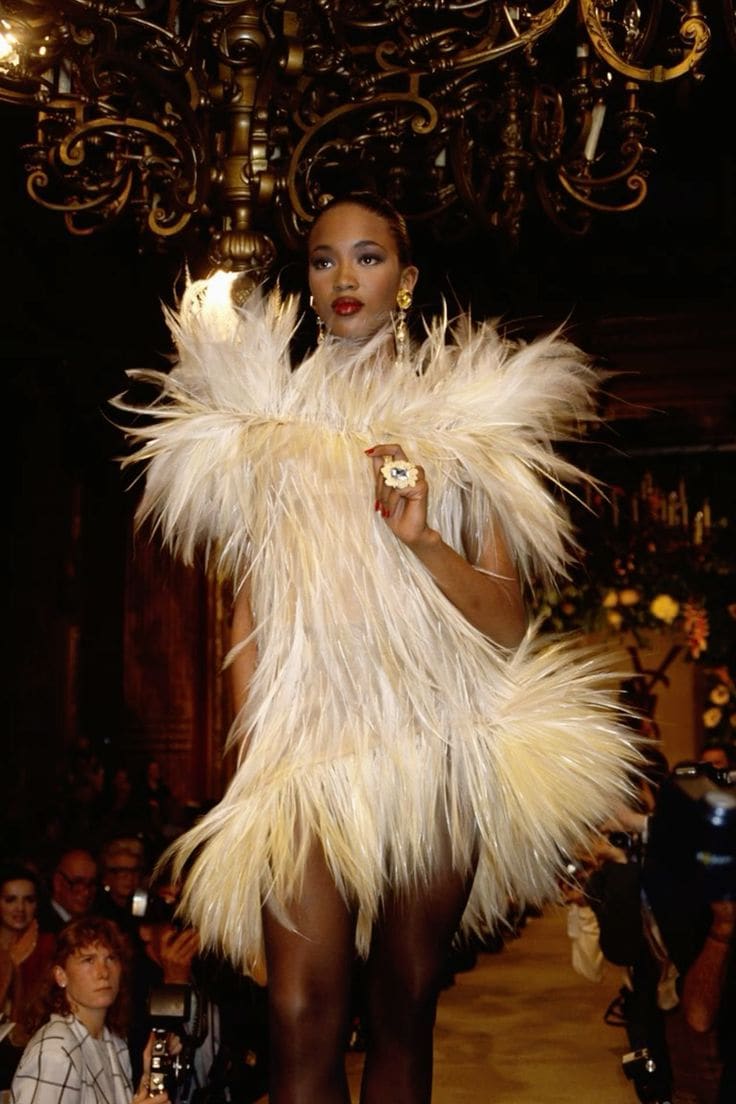
Image Courtesy: Getty Images
The 1980s saw style as leverage. Proportion became directly linked to influence – broad shoulders, heightened structures, and shimmery textures worked together to project authority at a glance. Glamoratti borrows from these same visual codes, but it isn’t driven by nostalgia. What we’re seeing now isn’t imitation – it’s a fresh embrace of grandeur, shaped by a generation that understands visibility as currency.
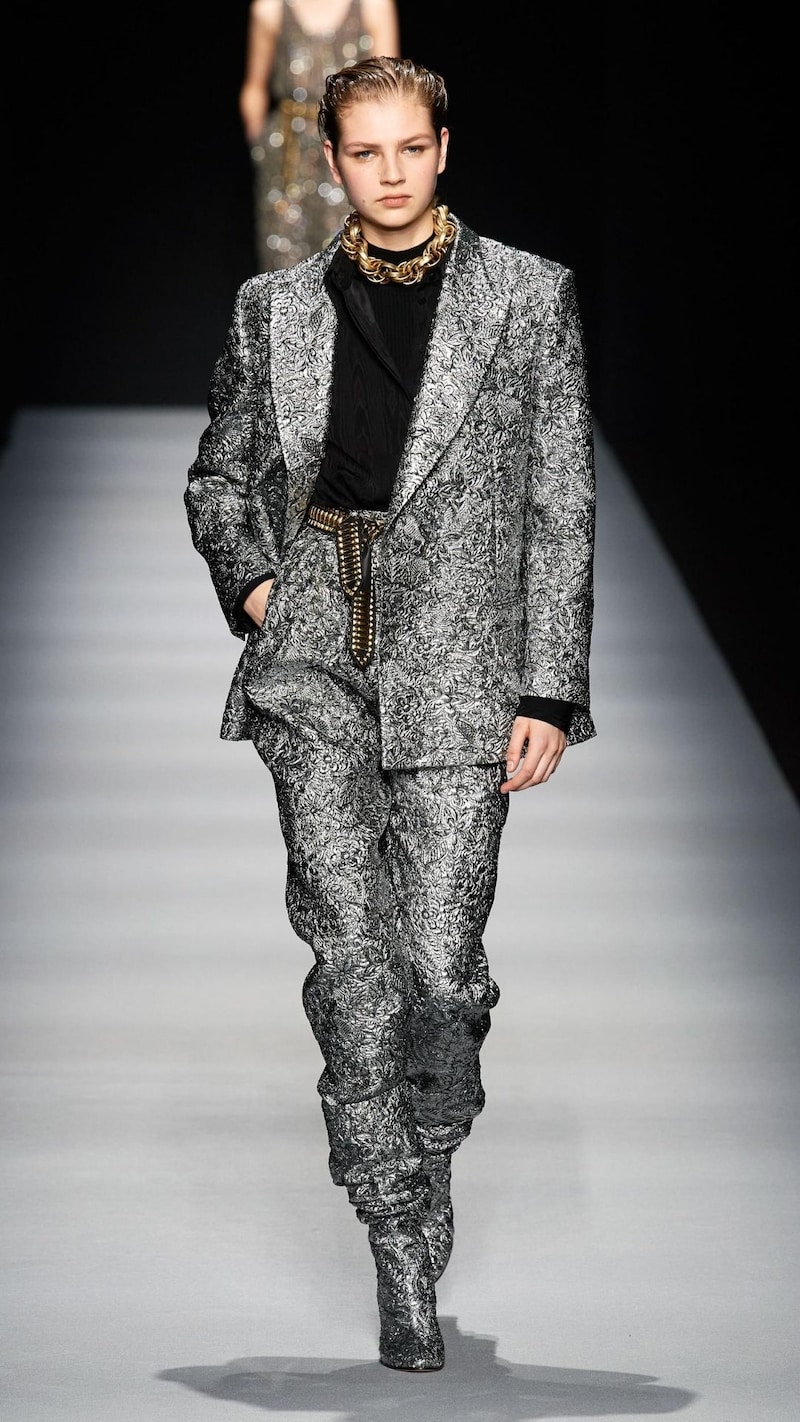
Image Courtesy: Alberta Ferretti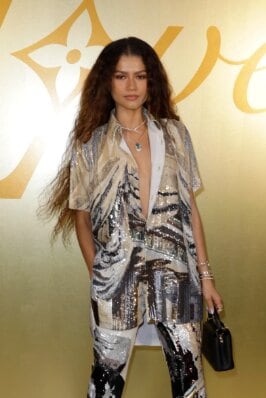
Image Courtesy: Getty Images
Gen Z and Millennials lean into this aesthetic almost instinctively, having long existed at the periphery of minimalism and full-blown glamour. They approach it with self-awareness, blending indulgence with intent. The result feels contemporary and assured at its best. This mindset is reflected in their choices, where silhouettes are designed to command space rather than quietly blend in.
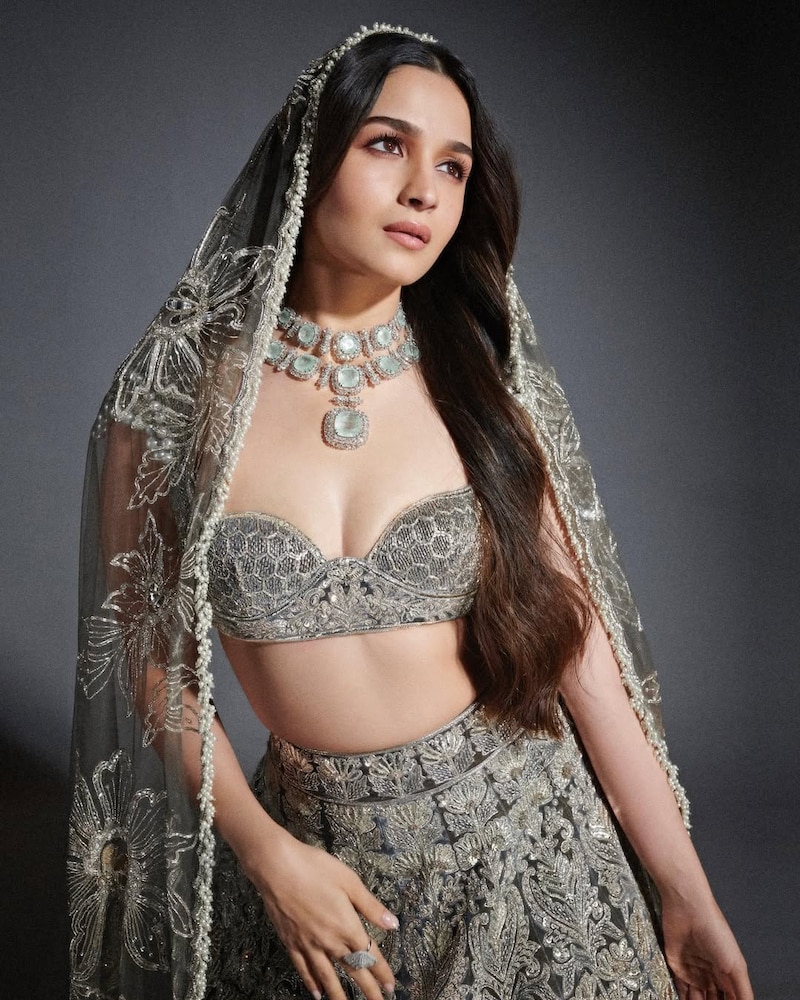
Image Courtesy: Alia Bhatt/ Instagram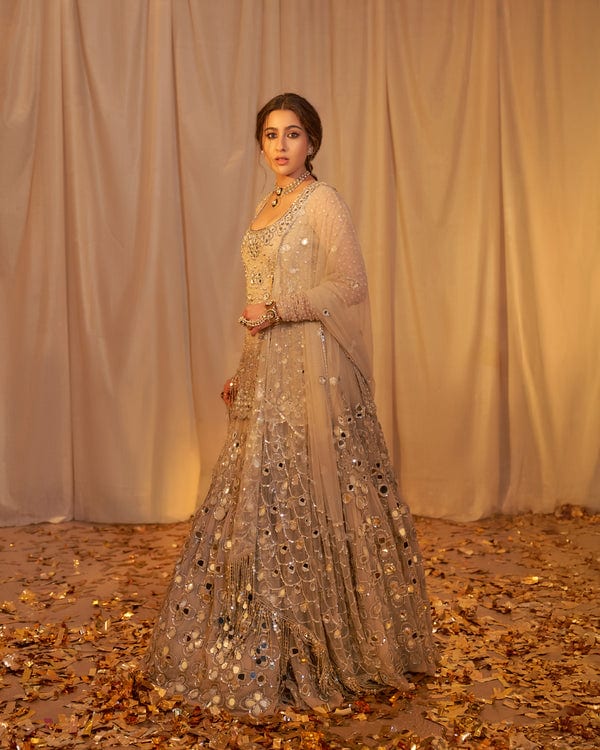
Image Courtesy: Abhinav Mishra
The language of scale has also found resonance across Indian runways, where designers like Manish Malhotra and Abhinav Mishra have treated exaggeration as a language of visual authority. Within Glamoratti, those instincts are reframed for a younger audience that reads opulence as a sign of confidence.
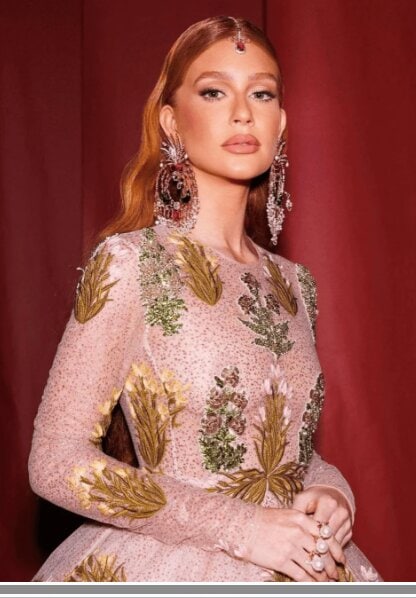
Image Courtesy: Outhouse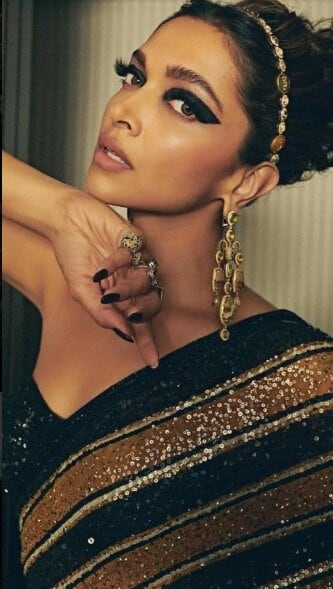
Image Courtesy: Deepika Padukon/ Instagram
The accessories follow the same direction – instead of softening the look, they heighten the drama. Jewellery takes on a heavier, more deliberate quality, with thick metals and sculptural forms that refuse to merely complement the outfit, claiming their own space. Gold, meanwhile, leads with a stance that feels almost assertive. The effect recalls the high-impact embellishment of contemporary Indian couture, where designers like Falguni Shane Peacock and Sabyasachi are comfortable treating spectacle as a central aesthetic language rather than a finishing touch. In Glamoratti, accessories read as emphatic gestures of power, quietly intensifying the overall sense of presence.
Rather than feeling like an accidental shift, the return of maximalism now carries a clear cultural momentum. Across the spectrum, fashion has begun to reintroduce drama, signalling a gradual move away from restraint. Even if minimalism feels contemporary, it doesn’t always offer comfort in uncertain times. Glamoratti, by contrast, brings assurance – and its return feels not just natural, but necessary.


